Topic
1950s
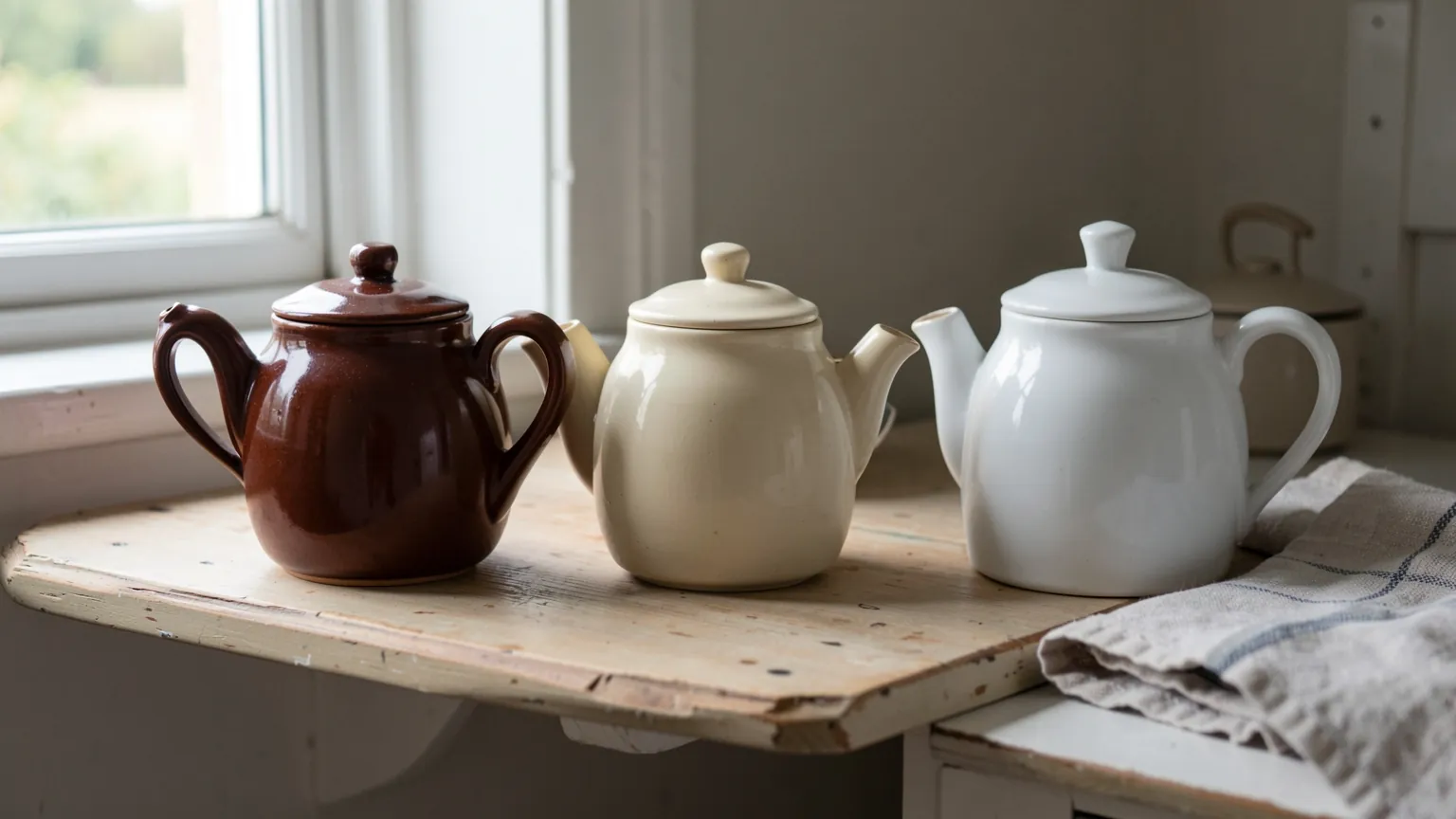
Ellgreave Pottery Marks: Dating Ellgreave (Wood & Sons) Pottery
Ellgreave was the Burslem pottery run by Wood & Sons from the early 1920s, best known for teapots and everyday earthenware. Here is what the Ellgreave marks say, how to read a printed date code, and how the Wood & Sons group marks help you date the rest.
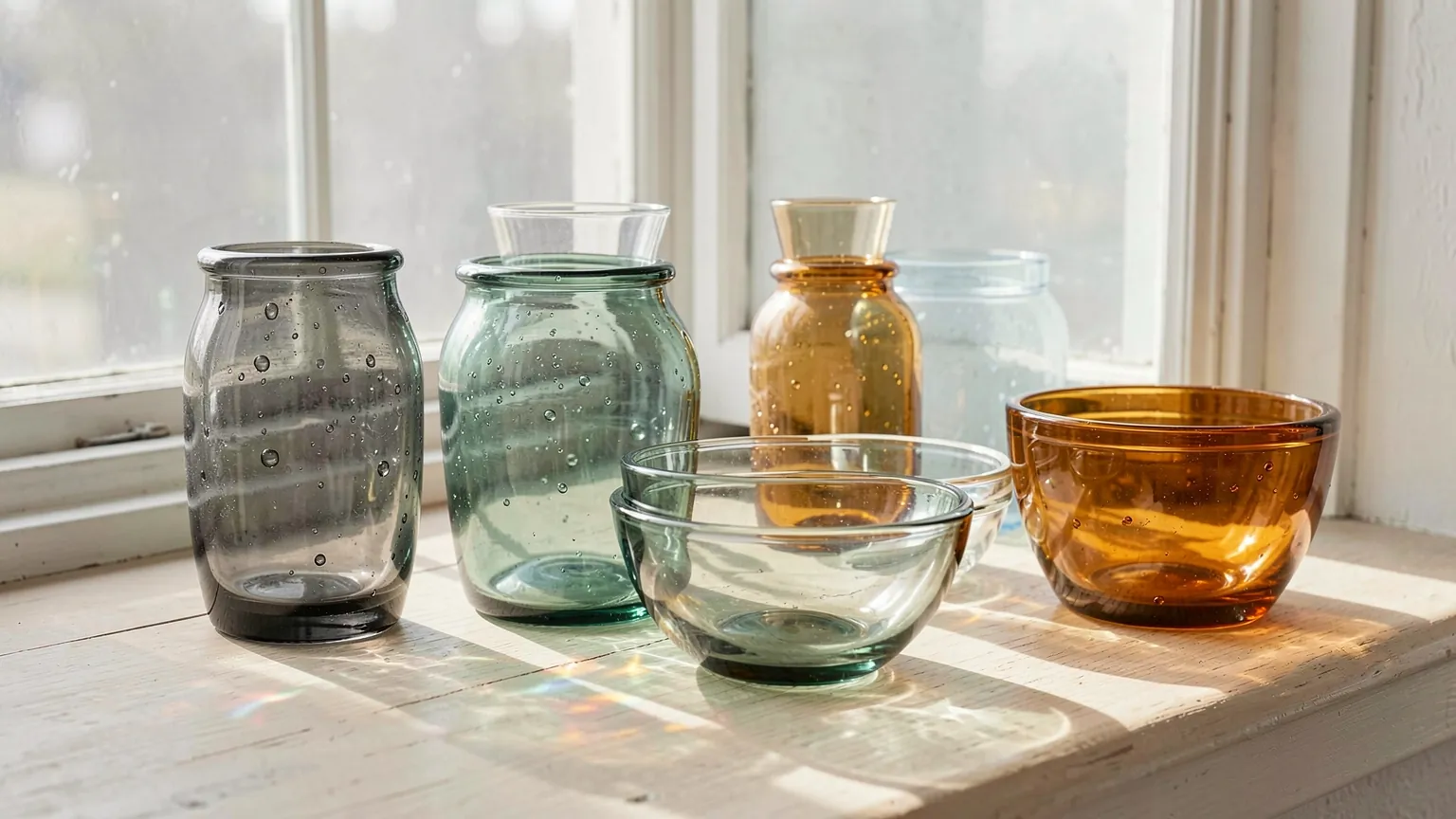
Strömbergshyttan Glass Marks: Identifying Swedish Strömbergshyttan
Museum records show Strömbergshyttan glass incised with the works' name, such as 'Strömberg' or 'S-hyttan', with a number, and some pieces with a paper label. Here is what the V&A, Nationalmuseum and Smålands museum records show, who ran and designed for the works, and its faintly tinted, undecorated glass.
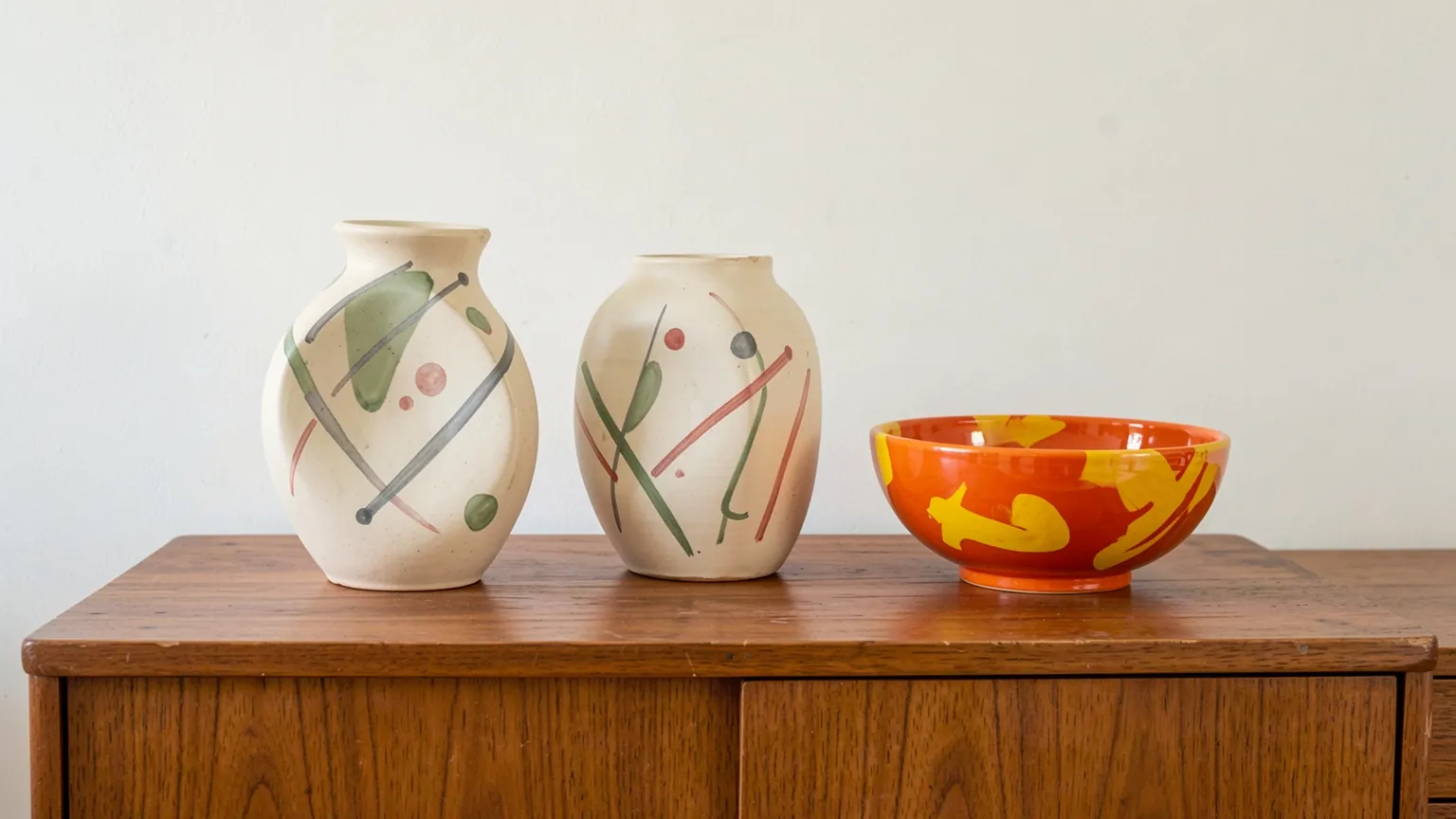
Roseville Pottery Marks: How to Read the Stamp and Date a Piece
Roseville marks run from early wafers and the blue Rv ink stamp to paper labels, an impressed script mark and finally the raised 'Roseville U.S.A.' used until the 1950s. Here is the sequence, what the shape numbers mean, and how to spot the Chinese copies sold since the 1990s.
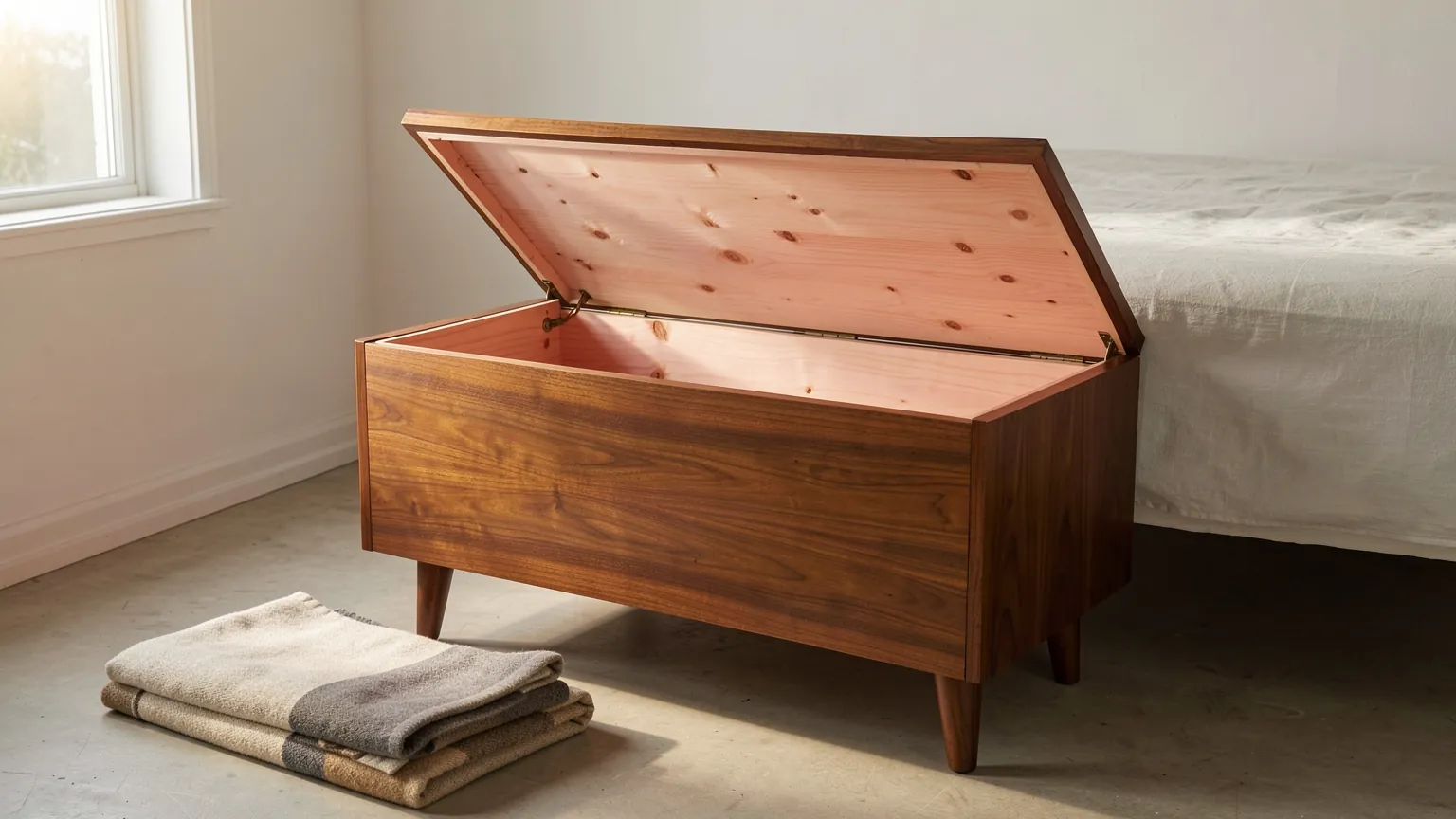
Lane Cedar Chest Value: What a Vintage Lane Chest Is Worth
Most vintage Lane cedar chests sell for a few hundred dollars. Age, style, condition and the cedar lining move the price, and the old self-locking latch has to come off before you sell one. Here is how to date your chest and judge what it is worth.
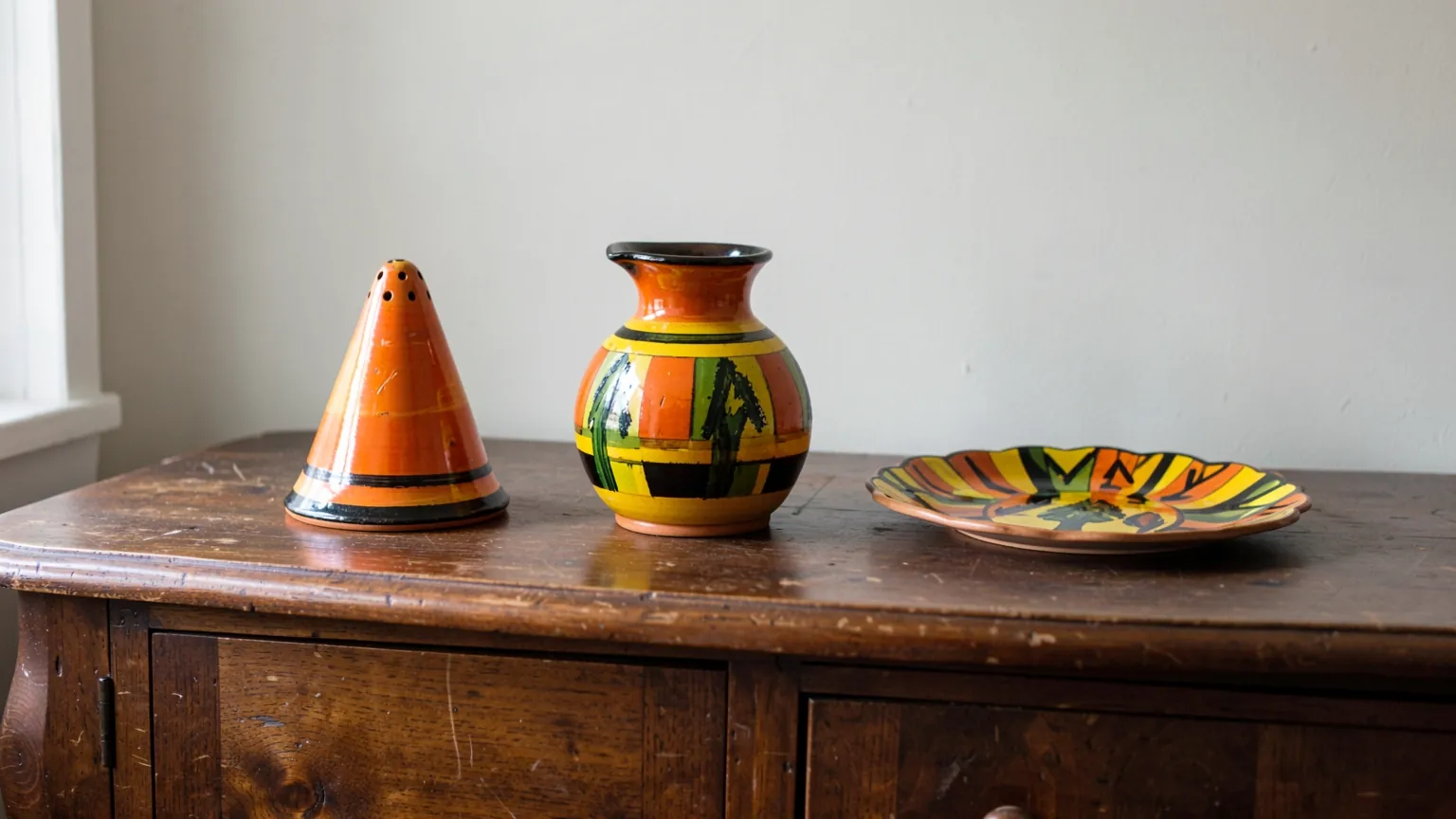
Clarice Cliff Backstamps: How to Date Clarice Cliff by the Mark
Clarice Cliff backstamps changed every year or two between 1927 and 1936, then settled into plainer signature marks until 1964. Here is the sequence, what Bizarre and Fantasque mean, how stamped and printed marks differ, and what to check before you trust a mark.
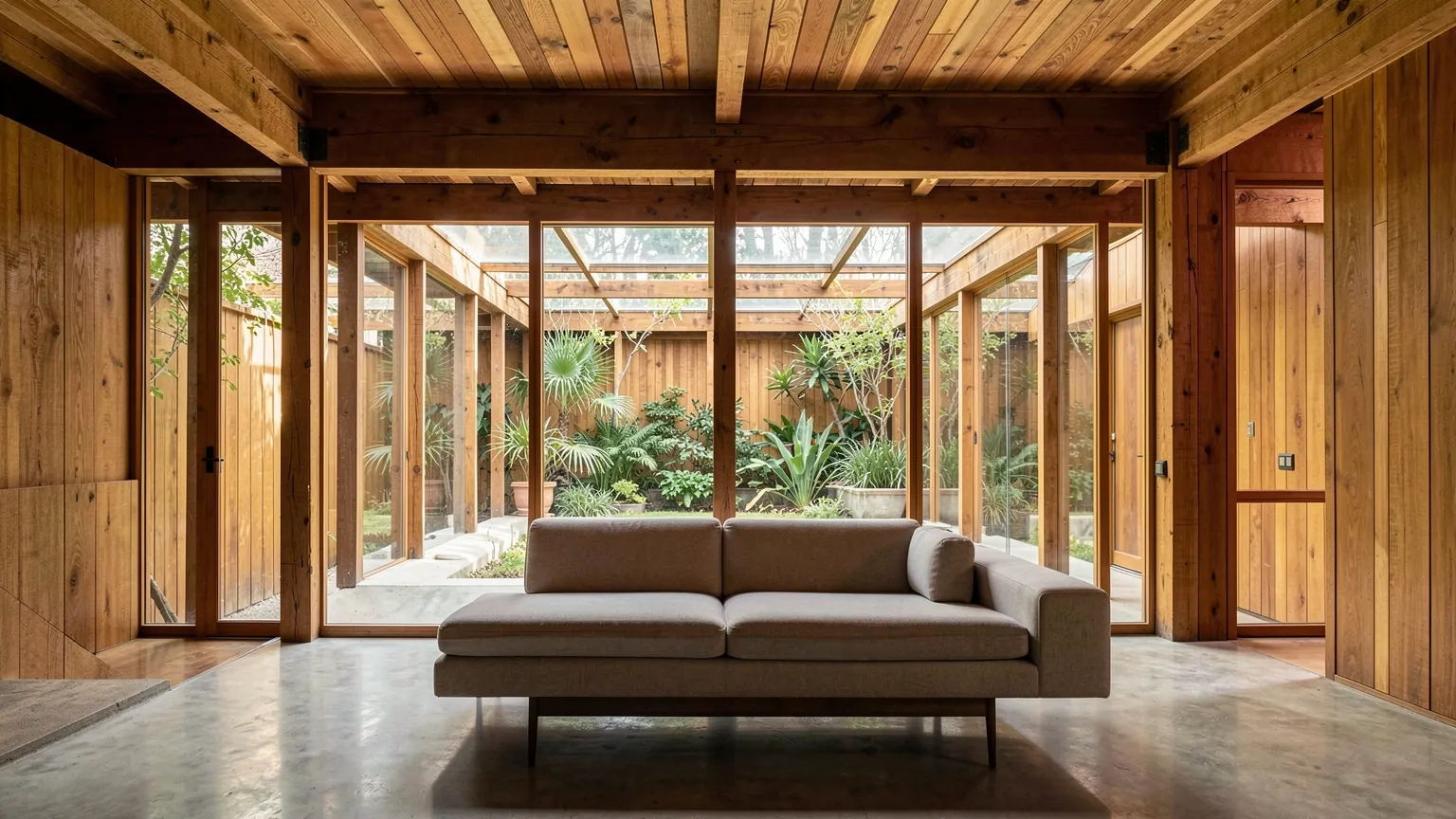
What Makes an Eichler Home?
An Eichler home is one of the more than 11,000 modern houses built in California by Joseph Eichler's company from 1949: post-and-beam, glass walls to the garden, a closed face to the street, radiant floors and, in later models, an open atrium. Here is how to recognise one.

Eichler Homes: The Tracts and Where to Find Them
Eichler Homes built in nine Northern California and three Southern California communities, from Sunnymount Gardens in 1949 to the San Mateo Highlands, the largest Eichler tract. Here are the main tracts with dates and sizes, the architects who designed them, and how to check whether a house is an Eichler.
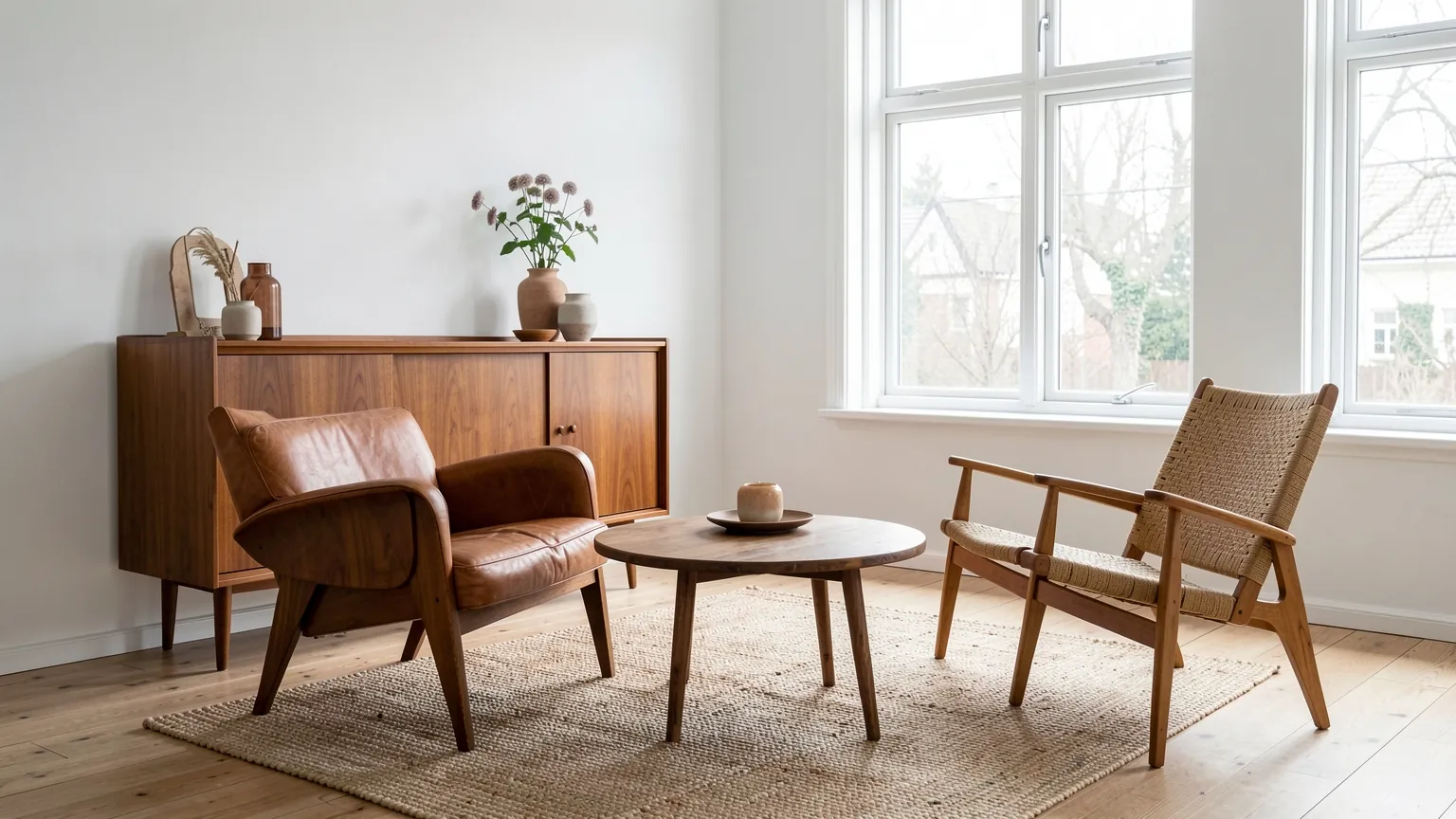
What Is Danish Modern Furniture?
Danish modern is the plain, finely made furniture designed in Denmark from the late 1920s to the 1960s, by Kaare Klint and the generation he trained: Wegner, Mogensen, Juhl, Jacobsen and Kjærholm. Here is where it came from, the key designers and makers, and how to recognise it.
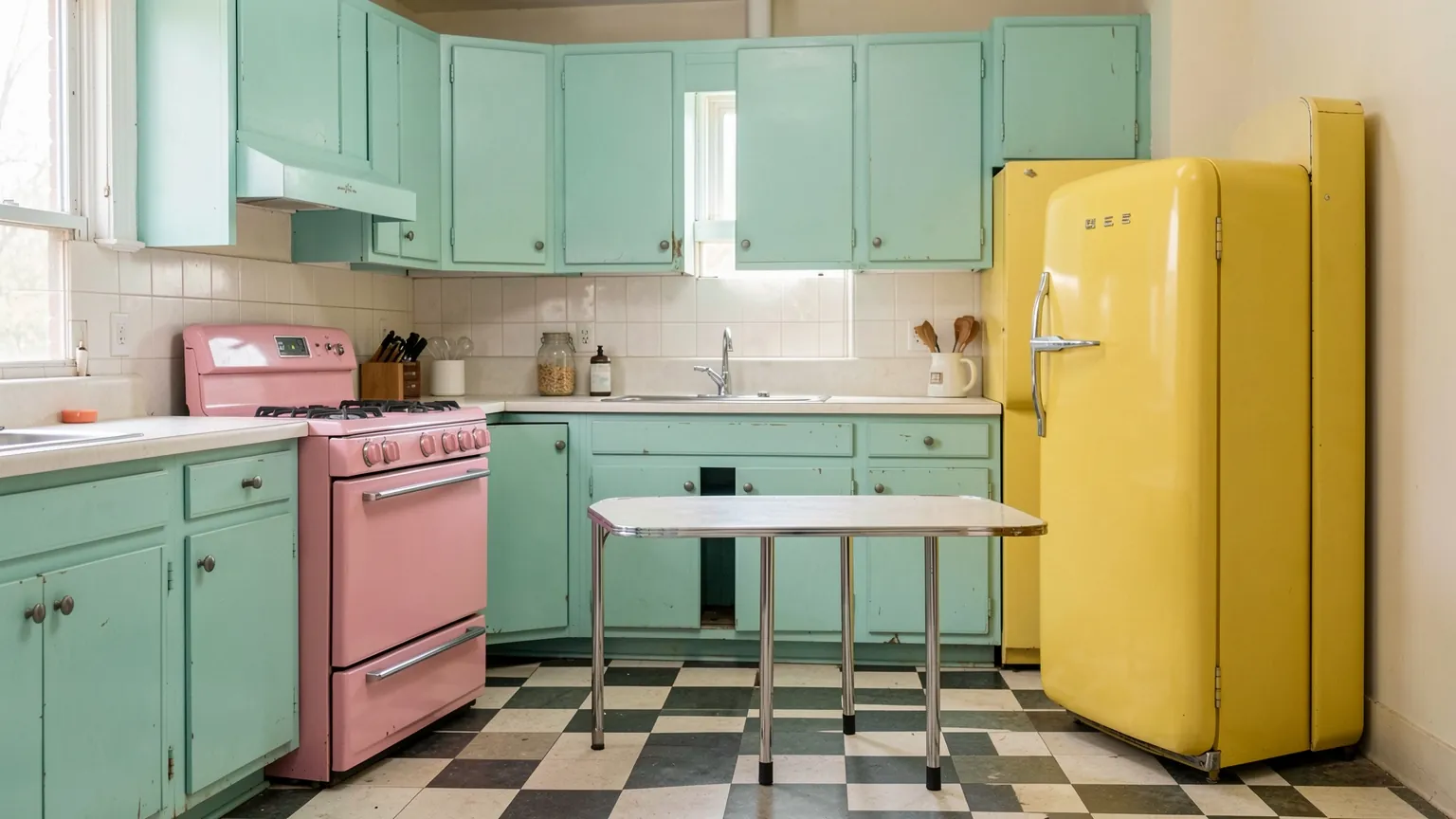
Original Mid-Century Paint Colours: What Homes Were Really Painted
Mid-century homes were not all white and teak. British architects chose from the 101 colours of BS 2660 from 1955, and American kitchens moved from pastels to Coppertone, Avocado and Harvest Gold. Here is what the records show, and how to choose colours for a mid-century house today.
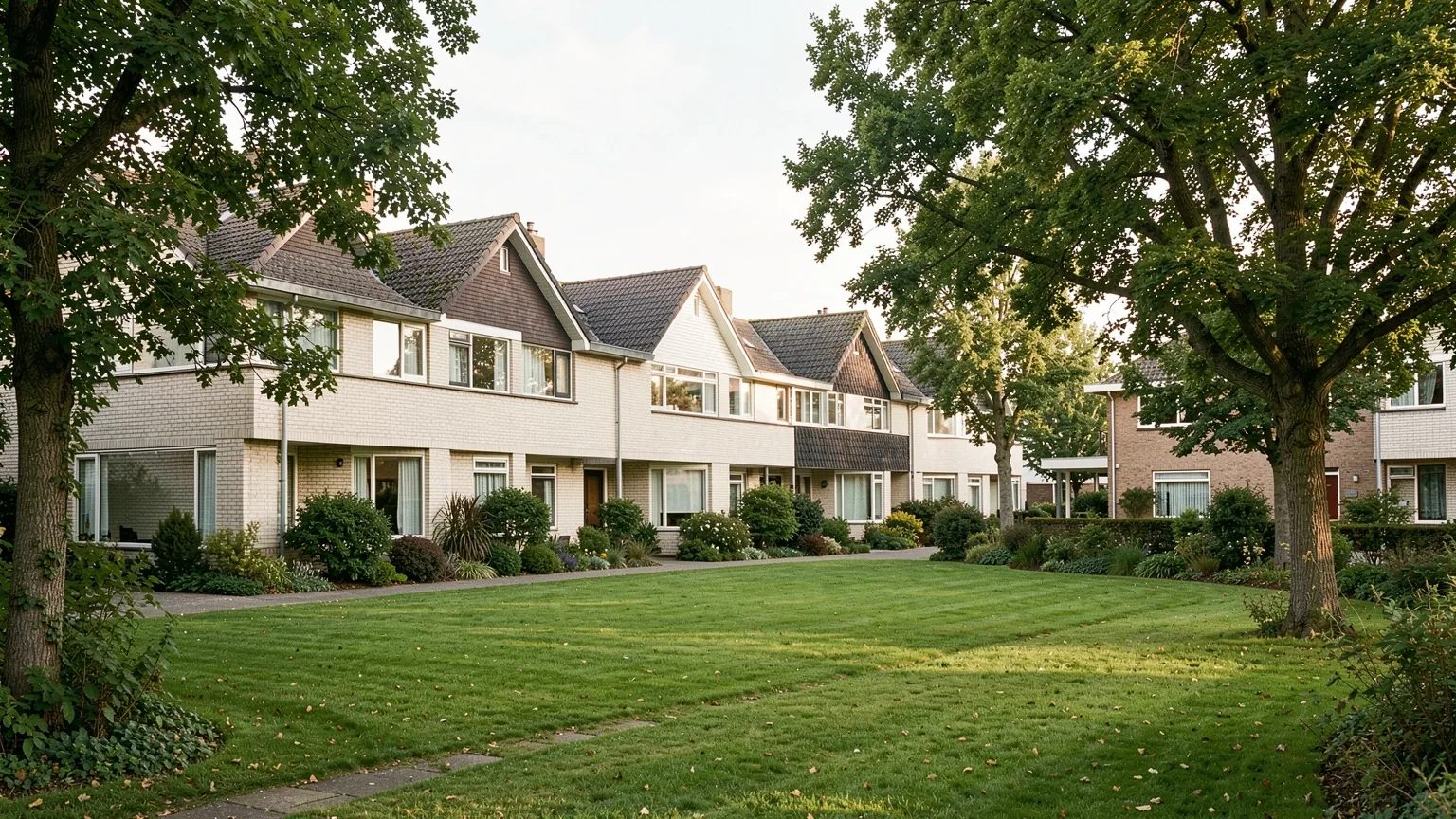
Span Houses: Eric Lyons and the Span Estates
Span built 73 modern housing schemes in southern England from the 1950s, designed by Eric Lyons: tile-hung terraces and flats with big windows, set in shared landscaped gardens run by residents. Here is how to recognise a Span estate, where the main ones are, and what to know before buying.

Robin Day at Hille: The Key Designs
Robin Day designed most of Hille's furniture for twenty years, from the Hillestak chair of 1951 to the Polypropylene chair of 1963, one of the most produced chairs in the world. Here are his key designs with dates, and how to tell vintage pieces from the many reissues.
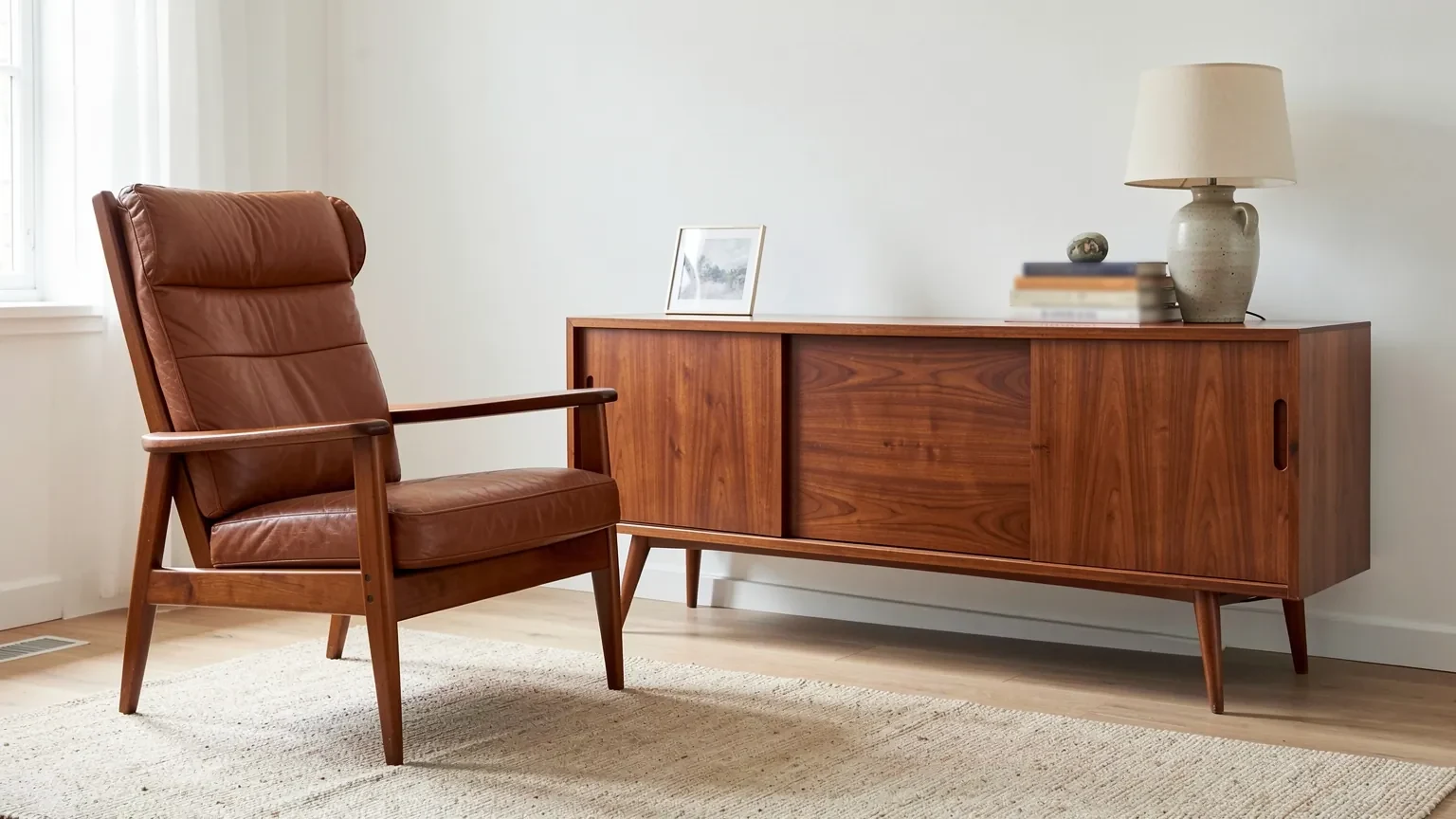
Ib Kofod-Larsen: Life and Key Designs
Ib Kofod-Larsen designed for makers in Denmark, Sweden, Britain and the United States, from the Elizabeth and Penguin chairs to Faarup sideboards and G-Plan's Danish range. Here are his key designs, the makers and how to attribute a piece.
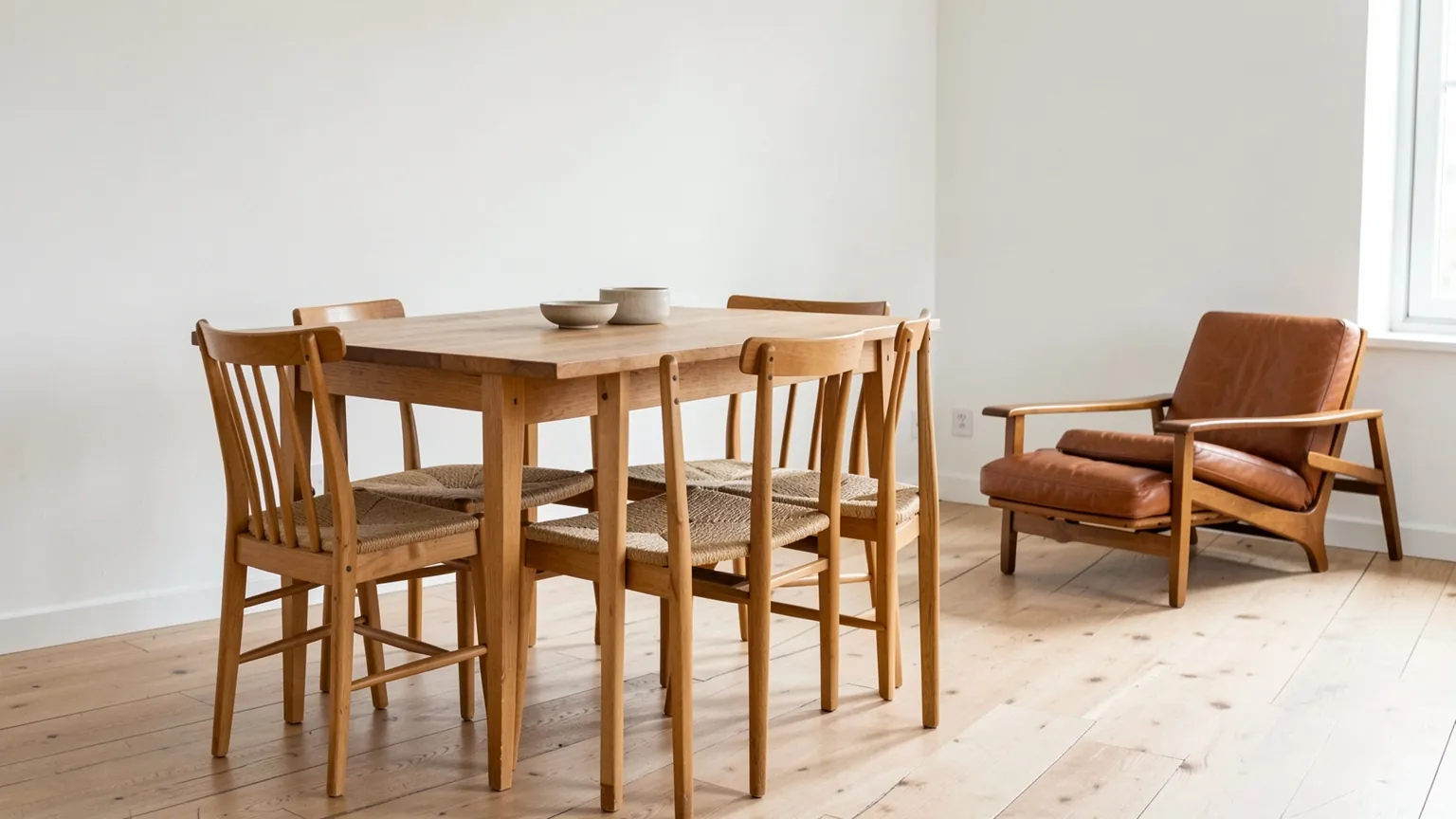
Børge Mogensen: Life and Key Designs
Børge Mogensen designed plain, durable furniture for ordinary Danish homes: the J39 chair for the FDB co-operative, the Hunting Chair, the Spanish Chair and the 2213 sofa. Here is his career, his key designs with dates and makers, and what to look for in a vintage piece.

How to Date an Eames Fibreglass Shell Chair
Eames fibreglass shell chairs can be dated by generation from the marks under the shell, the shock mounts and the colour. Here is how to tell a 1950s Zenith chair from a later Herman Miller one and from the fibreglass chairs made again since 2013.
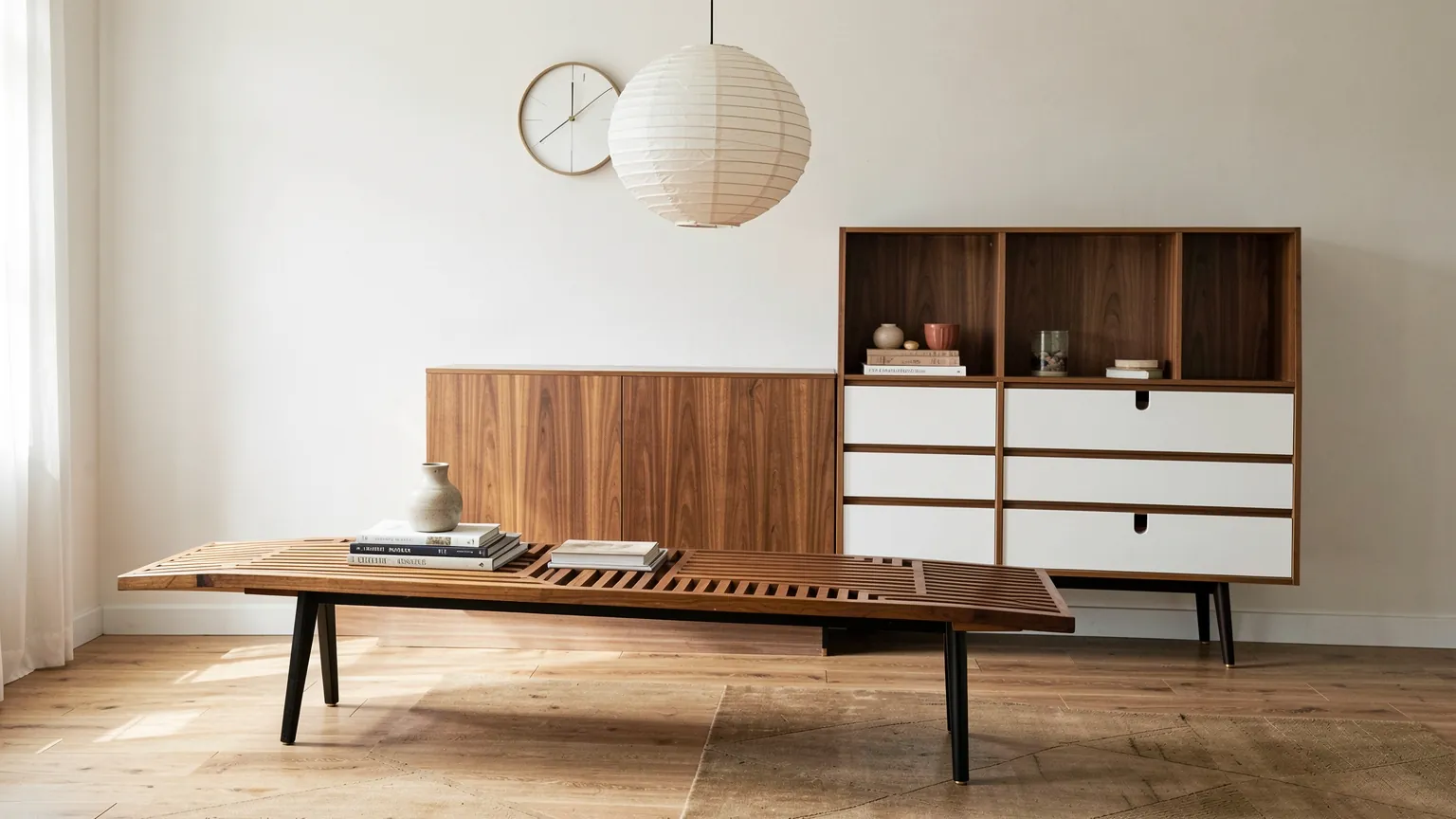
George Nelson's Designs for Herman Miller
George Nelson was Herman Miller's director of design from the late 1940s to 1972, and his office produced the Platform Bench, the Coconut chair, the Marshmallow sofa and the ball clock. Here are the key designs, who in the office really designed them, and how to tell vintage pieces from reissues.
Scandinavian Glass Signatures: Orrefors, Kosta, Holmegaard and Iittala
Most mid-century Scandinavian art glass is signed on the base with the factory name, a model or code number and often the designer's initials. Here is how to read Orrefors, Kosta, Holmegaard and Iittala signatures, and how Orrefors date codes work.
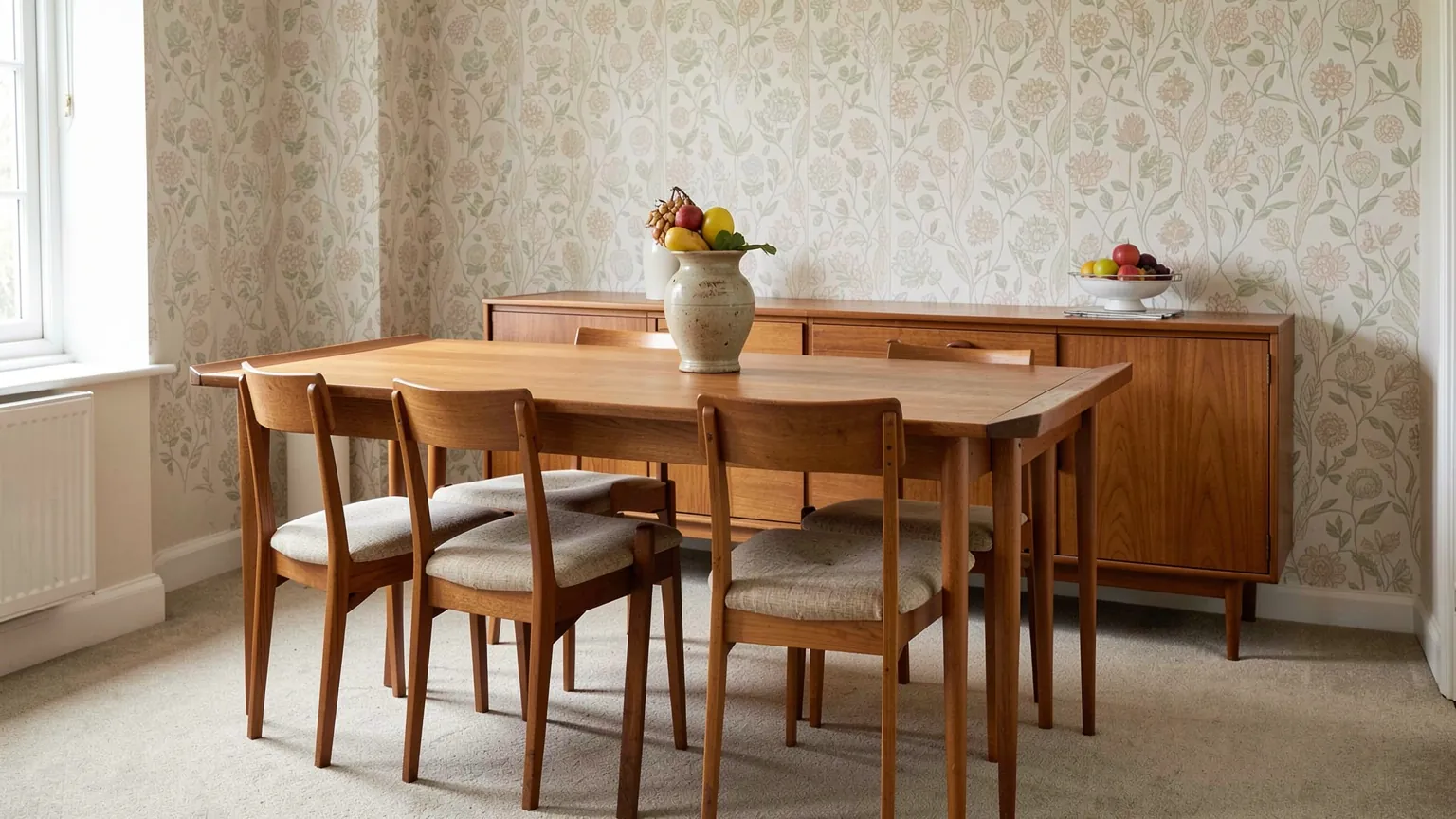
G-Plan Labels: How to Date G-Plan Furniture
G-Plan furniture can be dated from its label: a gold embossed E. Gomme stamp in the 1950s and early 1960s, a red label from about 1965, and red and gold labels from the mid-1970s until the factory closed in 1992. Here is how to read them.
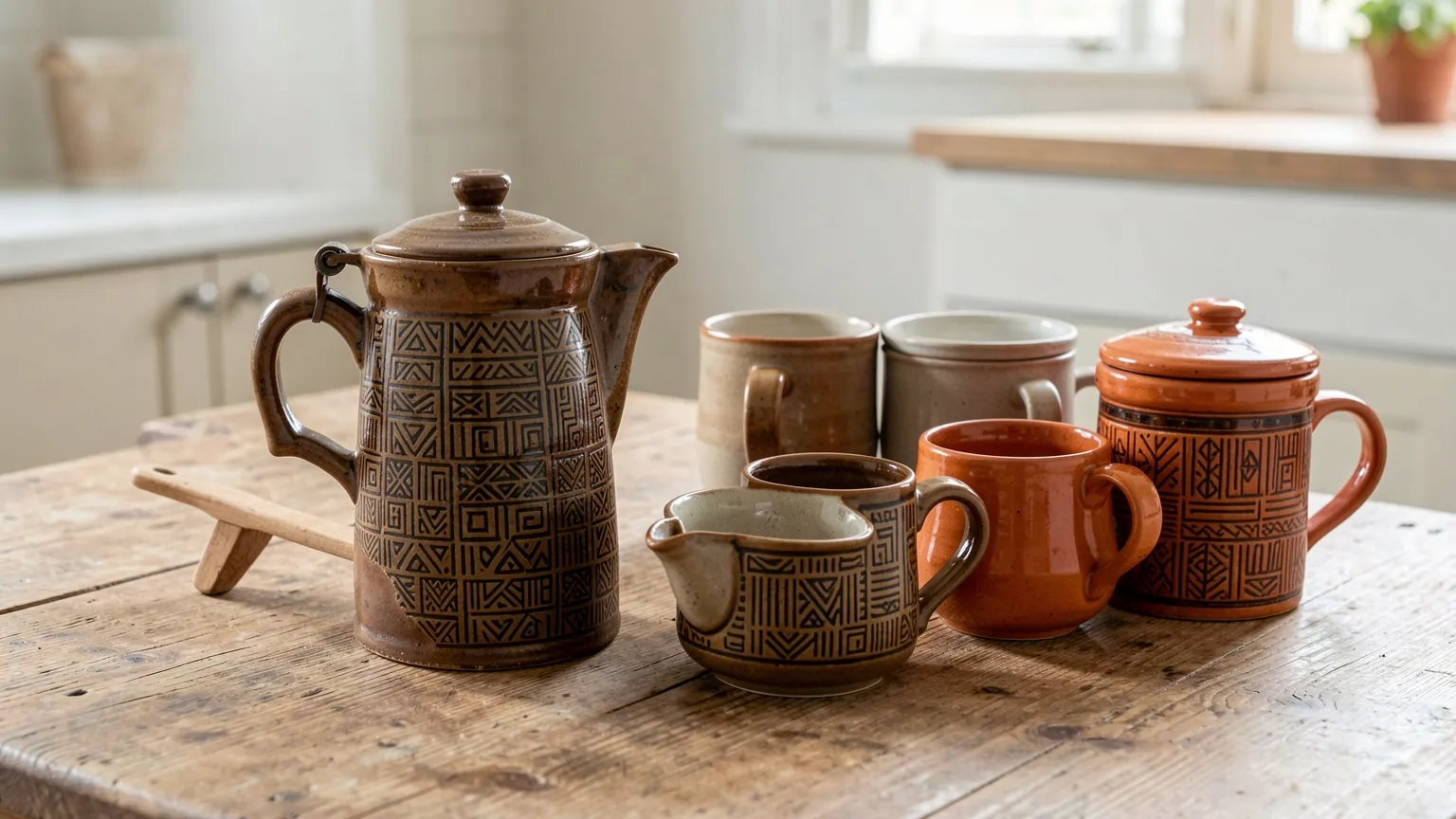
Hornsea Pottery Marks: How to Date Hornsea
Hornsea Pottery marks changed from the 1950s horn-and-waves mark to printed 'Hornsea England' marks that often include a year. Here is how to read them, what the impressed numbers mean, and how to date Heirloom, Saffron and Bronte.
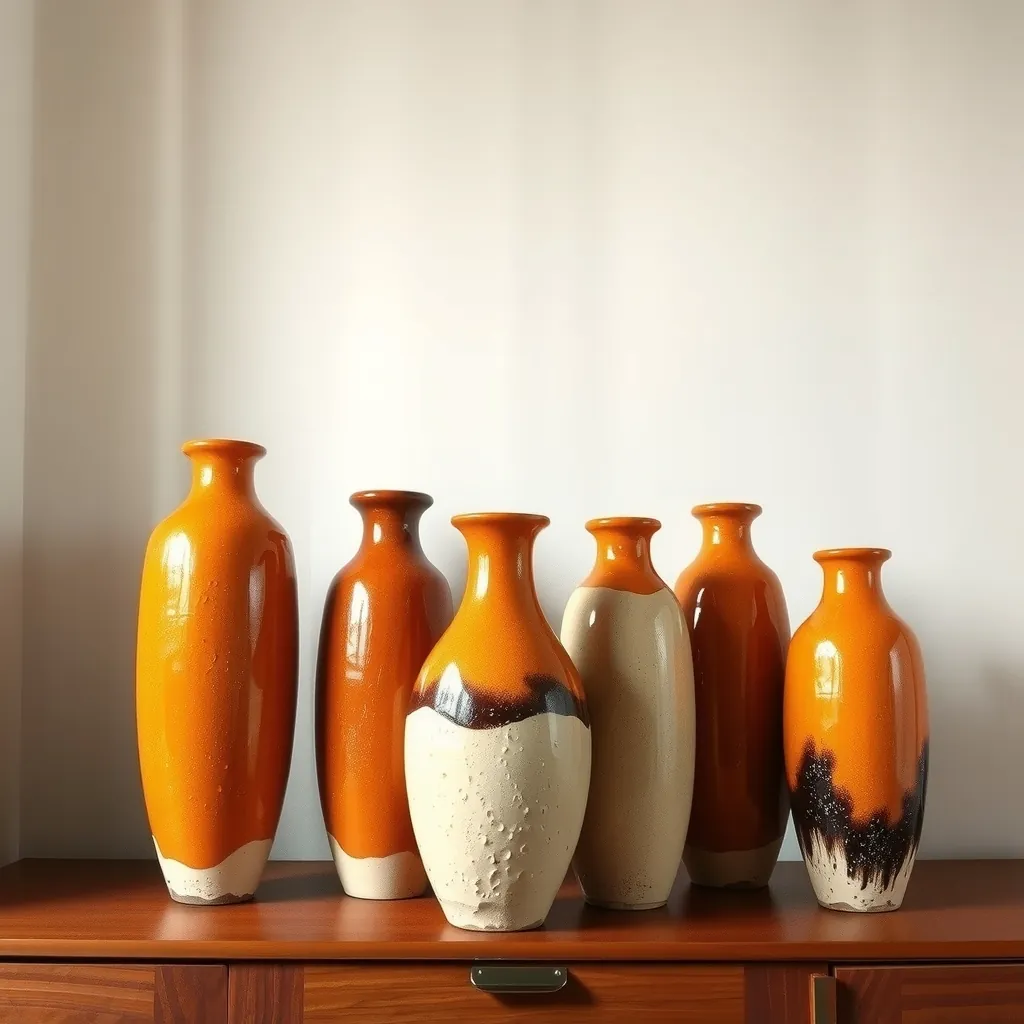
West German Pottery Marks: How to Read the Numbers on the Base
Most West German pottery is marked only with "W. Germany" and a pair of numbers: the shape number and the height in centimetres. Here is how to read them, which makers you can identify from the clay and the mark, and what "fat lava" really means.

How to Identify and Date an Original Anglepoise 1227
An original Anglepoise 1227 has three springs, a stepped base and the words "Made by Herbert Terry & Sons" on the fork. The number of steps on the base, the shade and the switch tell you whether it is a 1930s lamp, a post-war one or a reissue.
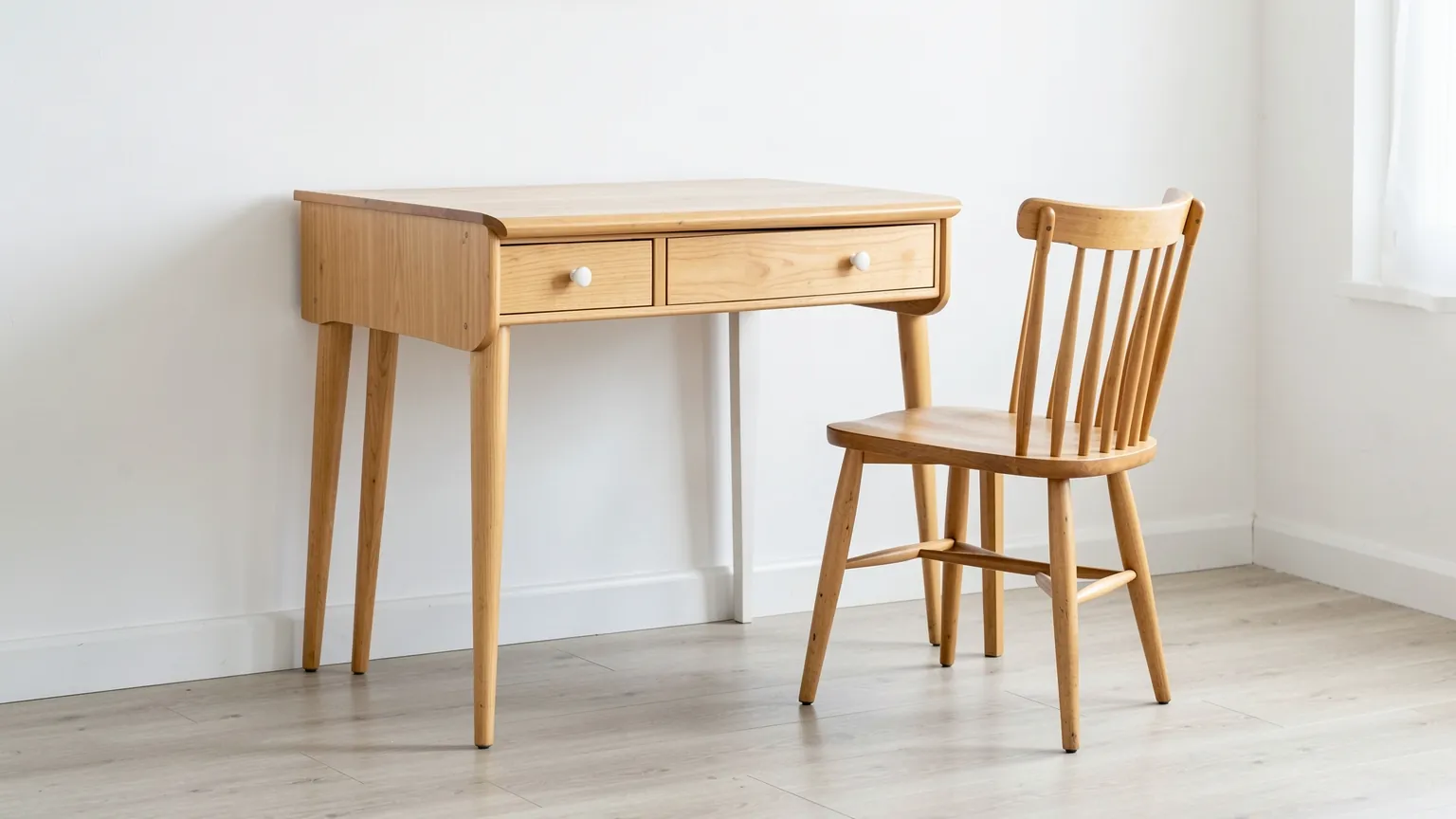
Drexel Declaration: How to Identify Kipp Stewart and Stewart MacDougall's Line
Drexel's Declaration line, designed by Kipp Stewart and Stewart MacDougall, is solid-looking natural walnut with porcelain or brass pulls and a Shaker restraint. Here is how to identify it, read its stamps and tell it from other Drexel lines.
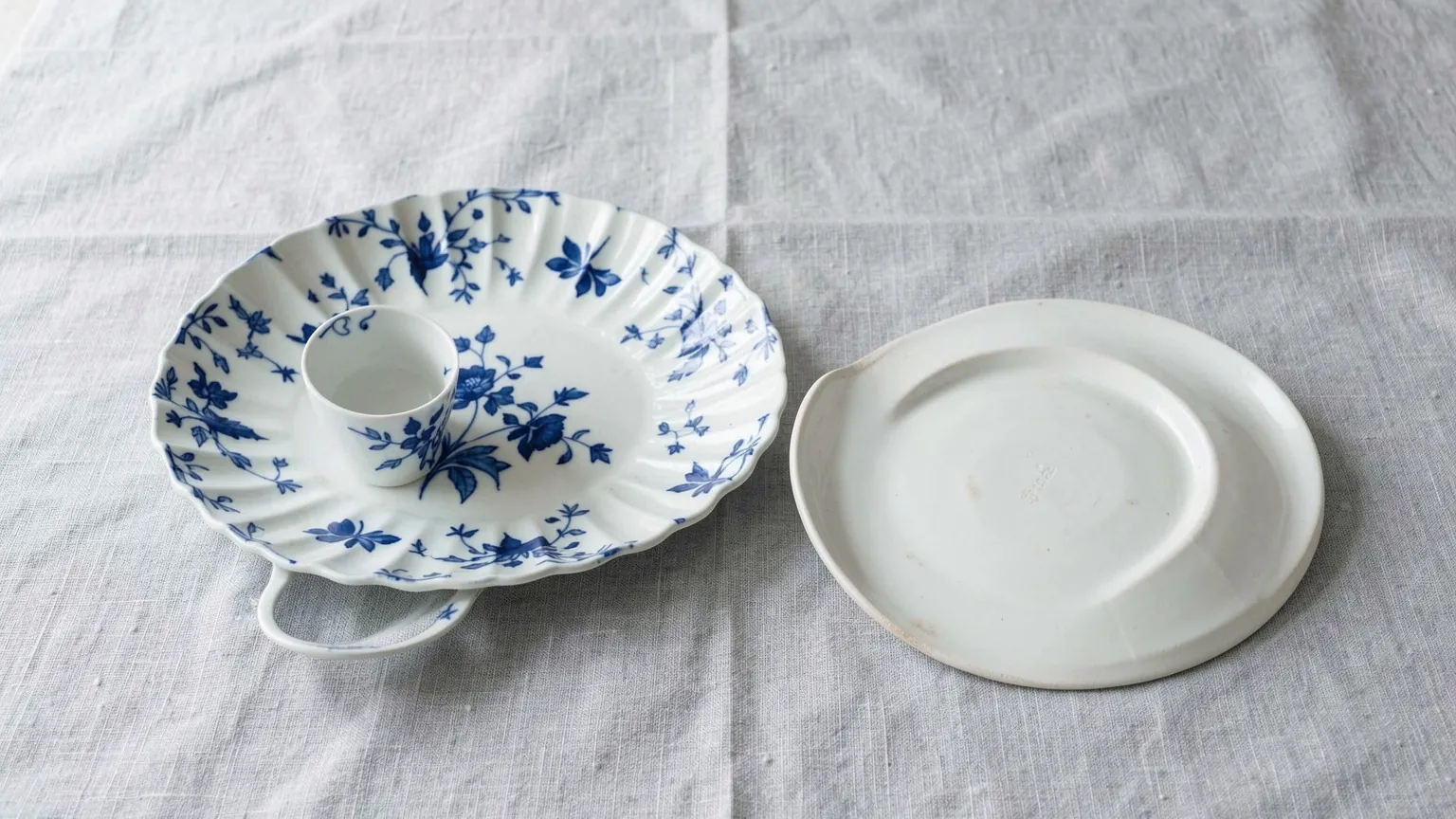
Royal Copenhagen and Bing & Grøndahl Marks: How to Date Danish Porcelain
Royal Copenhagen's three wavy lines, crown and hidden date code can date a piece to a few years, and Bing & Grøndahl's three towers mark changed in colour after the 1940s. Here is how to read both, and where the published systems disagree.
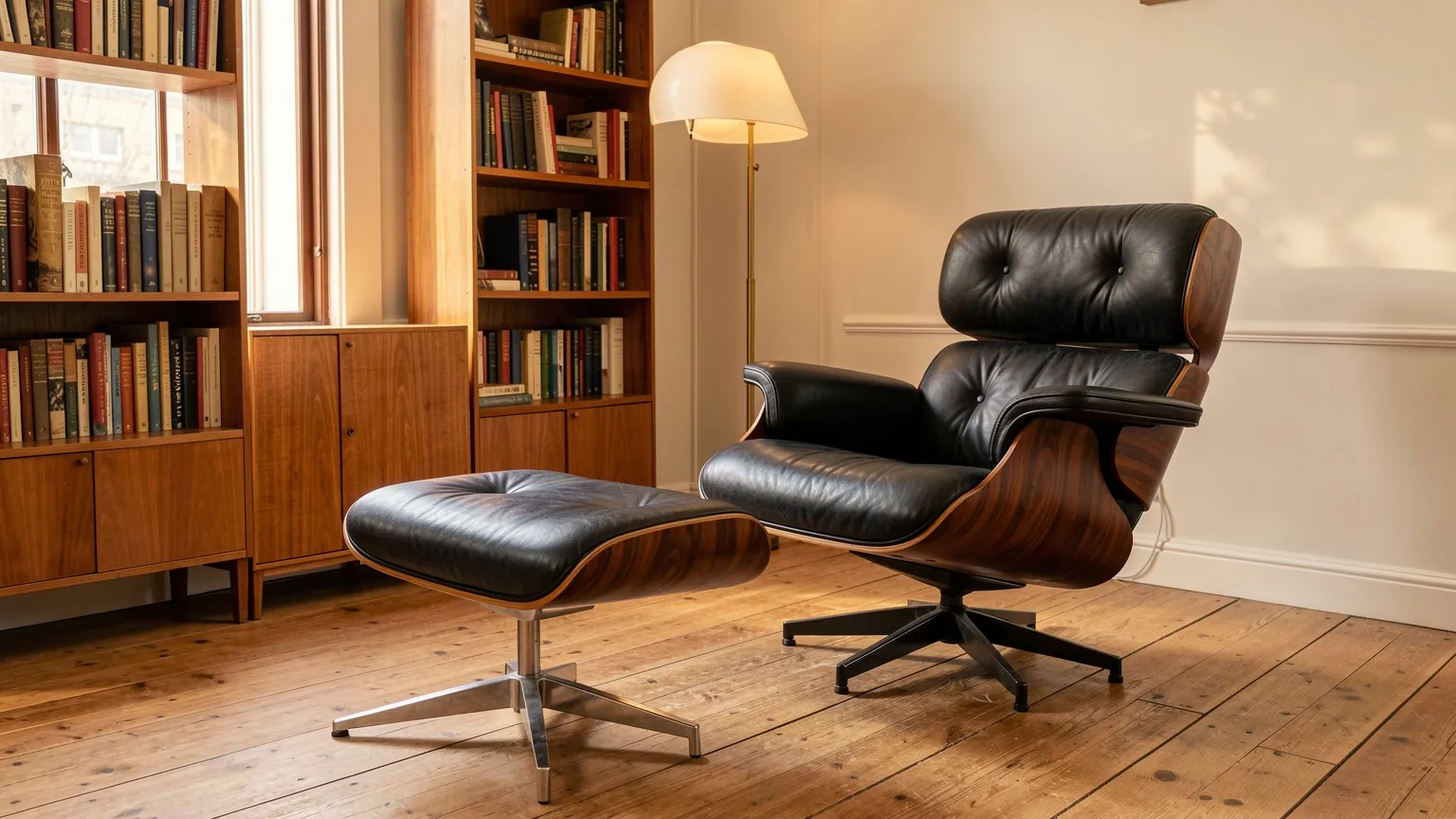
How to Tell a Genuine Eames Lounge Chair from a Copy
A genuine Eames Lounge Chair can be checked in ten minutes: the label, the shells, the shock mounts, the base, the fixings and the proportions. Here is what to look for, and how the details date a chair by generation.
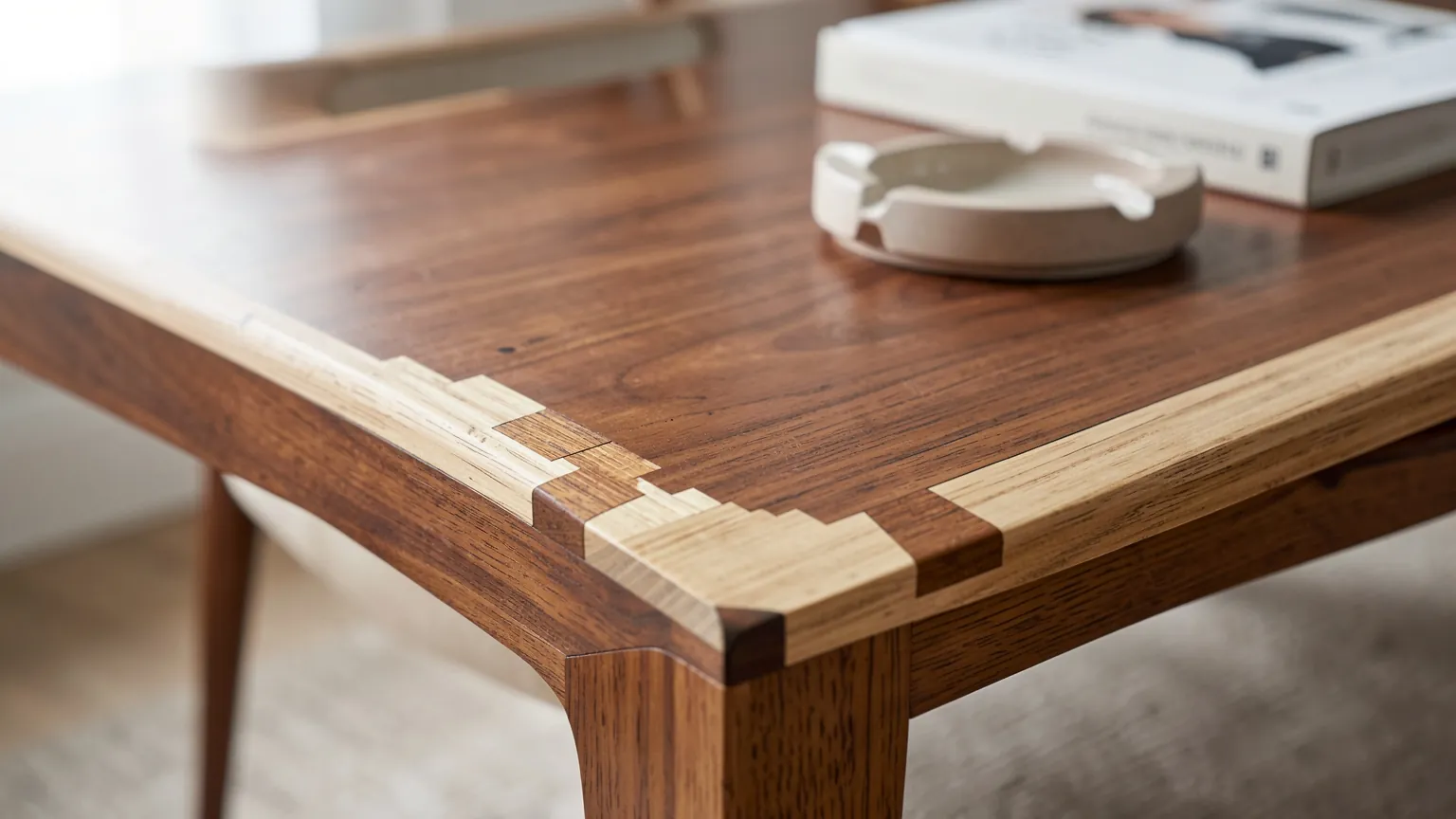
Lane Acclaim and Lane Serial Numbers: How to Identify and Date Lane Furniture
Most Lane furniture can be dated to the day by reading its serial number backwards. Here is how that works, how to recognise André Bus's Acclaim line, and the safety step every old Lane cedar chest needs.
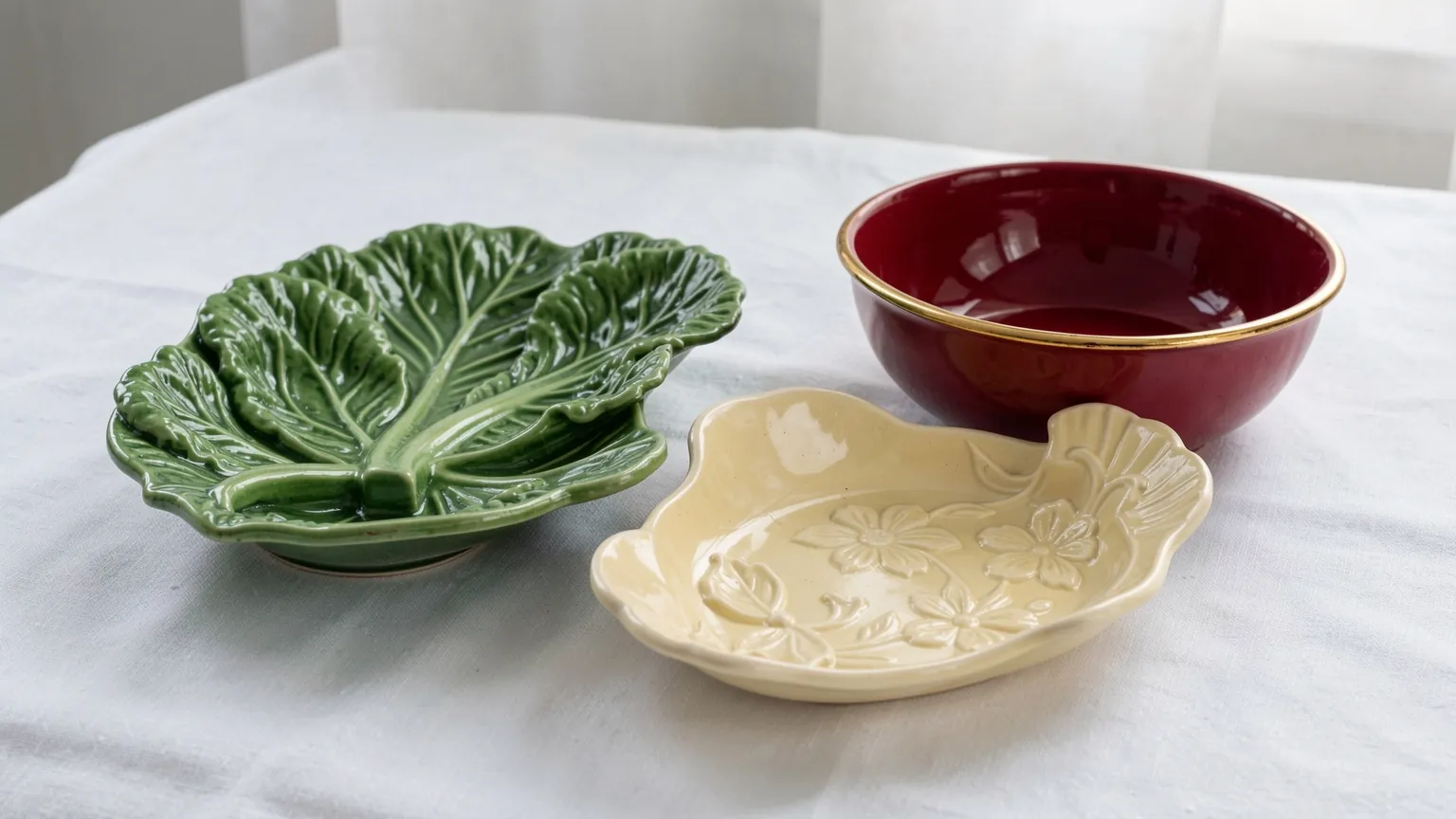
Carlton Ware Marks: How to Date Carlton Ware Backstamps
Carlton Ware's backstamps run from the Wiltshaw & Robinson ribbon and crown marks to the famous script mark, which lasted for decades. Here is what each mark suggests, and how ranges and shapes narrow the date of mid-century pieces.
Poole Pottery Marks: A Guide to Dating Poole Backstamps
Poole Pottery backstamps changed often enough to date most pieces to within a few years. Here are the Carter, Stabler & Adams marks, the dolphin marks of the 1950s, the Delphis and Aegean years, and how to read shape and pattern codes.
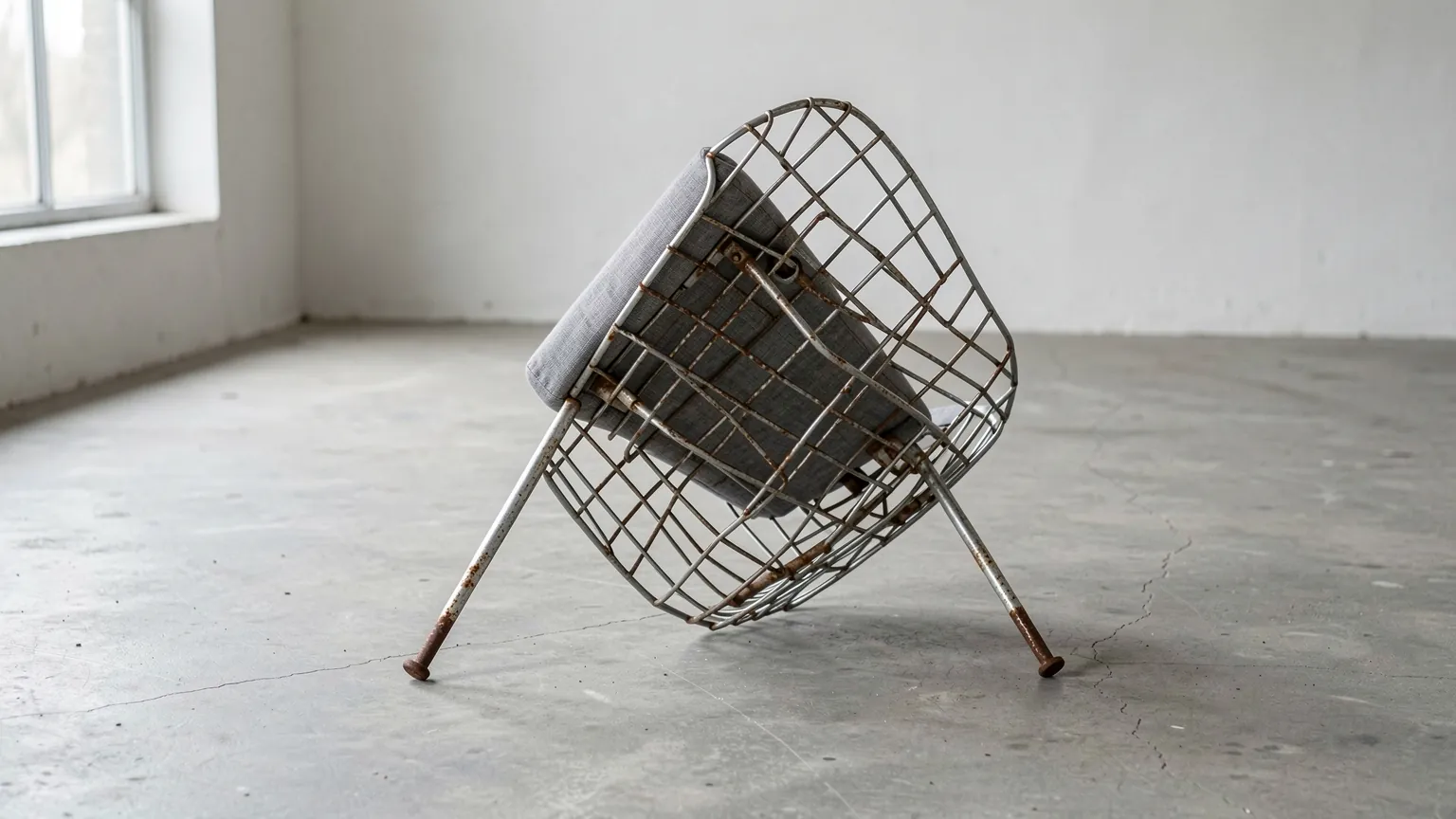
Knoll Labels: How to Date Knoll Furniture
The company name on a Knoll label is the best single dating clue: Knoll Associates, Knoll International, The Knoll Group or KnollStudio. Here is what each name tells you, where to find the label, and what to check when it is missing.
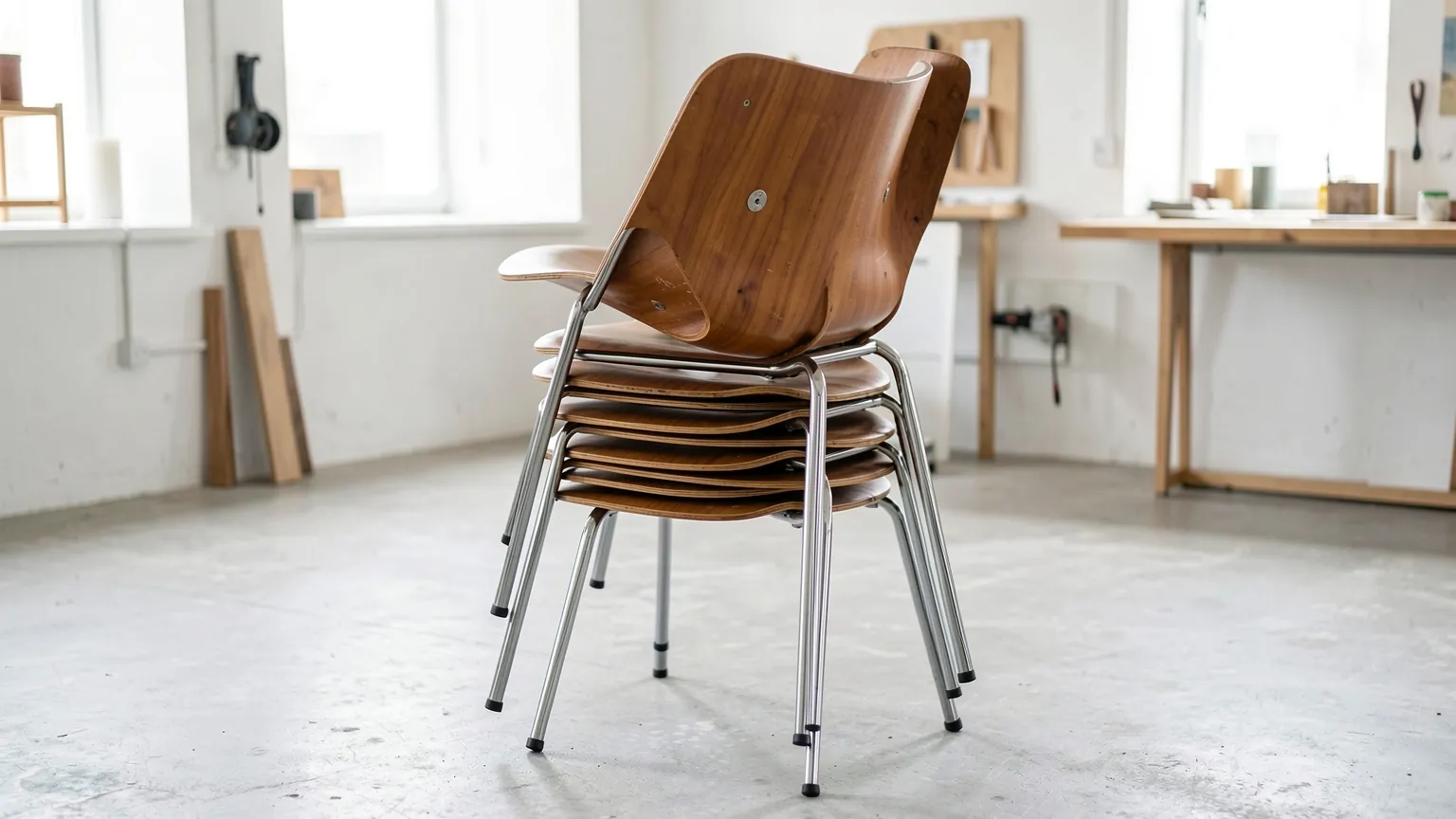
Fritz Hansen Stamps and Labels: How to Date a Series 7 or Ant Chair
A Fritz Hansen stamp confirms the maker, but it rarely gives an exact year on its own. Here is what the marks on a Series 7, Ant or Egg chair can tell you, and how to date the rest from construction.
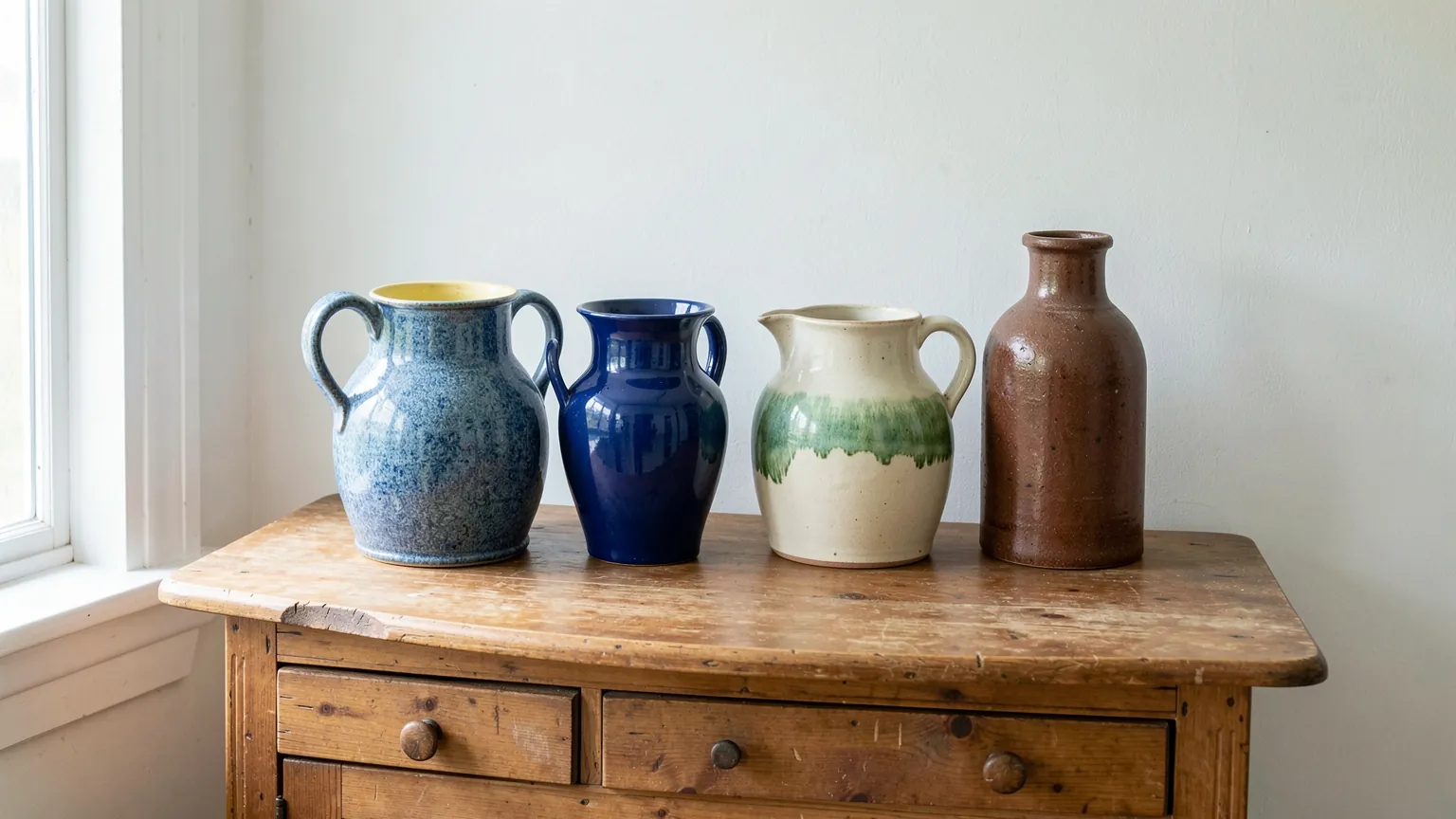
Denby Pottery Marks: How to Date Denby and Bourne Denby
Denby pottery marks run from impressed Bourne stamps to Danesby Ware, Bourne Denby and the later Denby marks. Here is what each suggests, how to date Glyn Colledge pieces, and where the sources disagree.
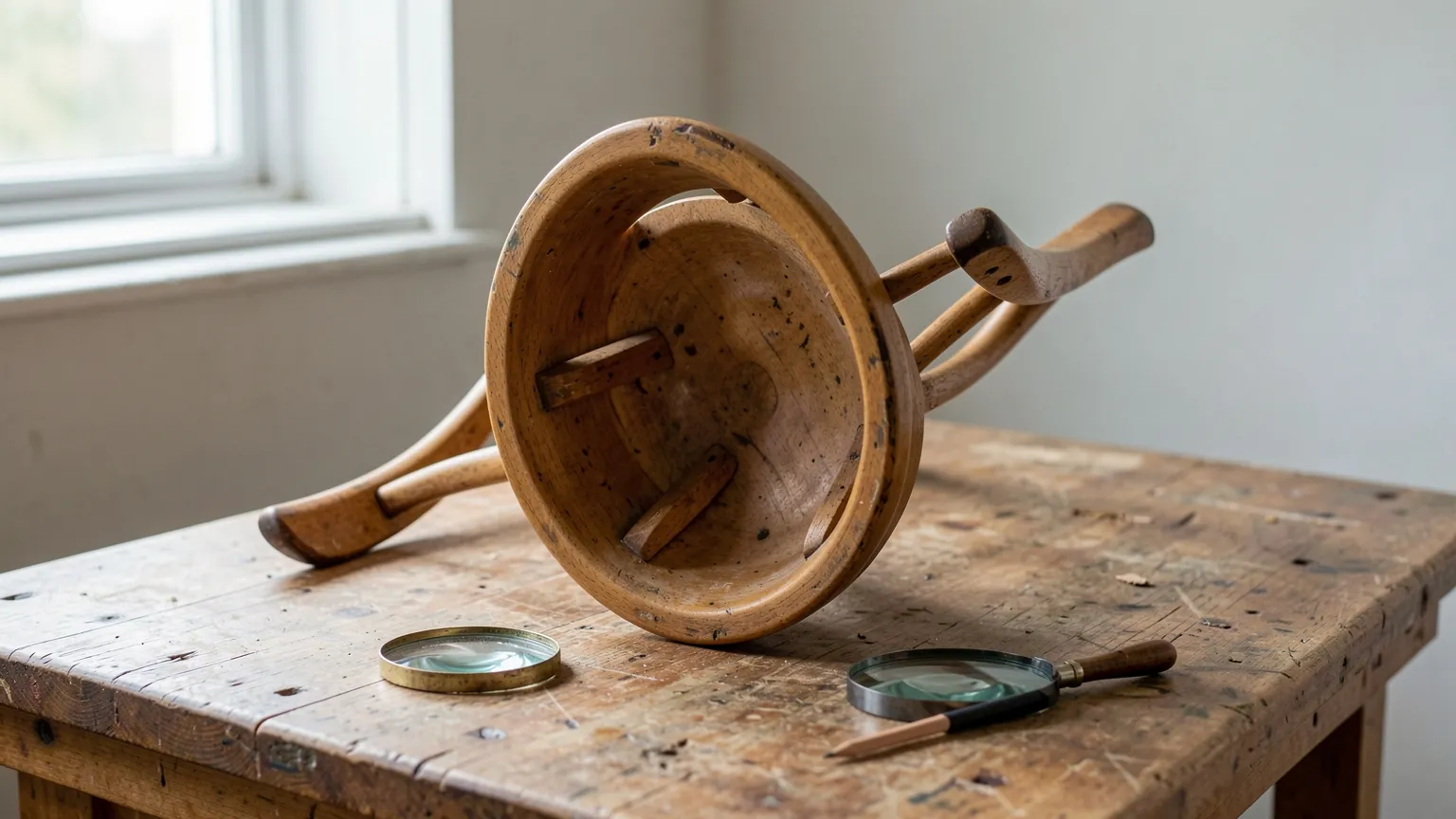
Thonet Labels and Stamps: How to Date a Thonet Chair
A Thonet label or stamp can tell you roughly when and where a bentwood chair was made, and which company made it. Here is how to read the marks, and where they stop being reliable.
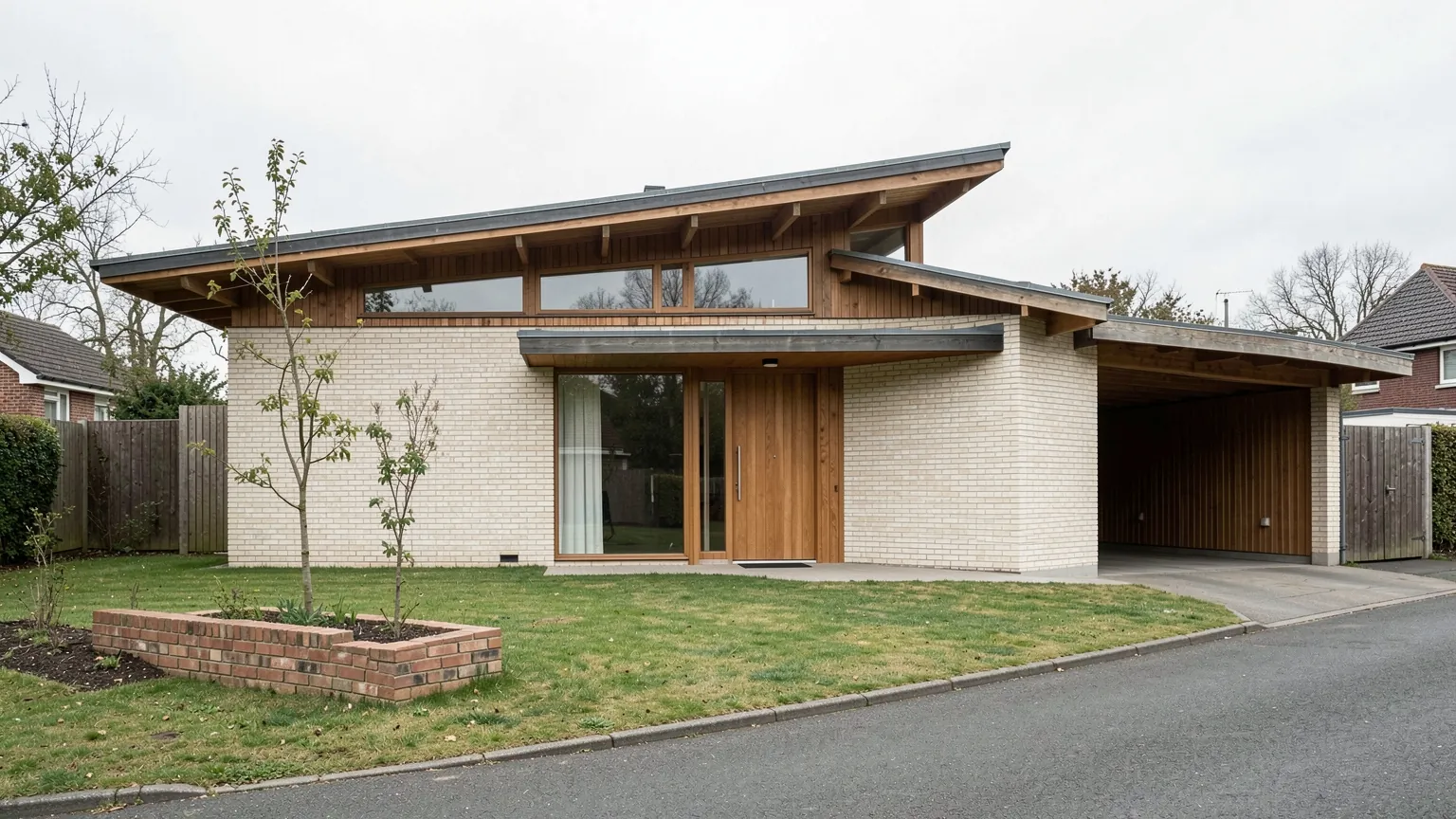
How to Read a Mid-Century House from the Street
Roofline, glazing, structure, entrance, car and landscape: what each tells you about a post-war house from the pavement, with dated British and American examples and the alterations that confuse the picture.
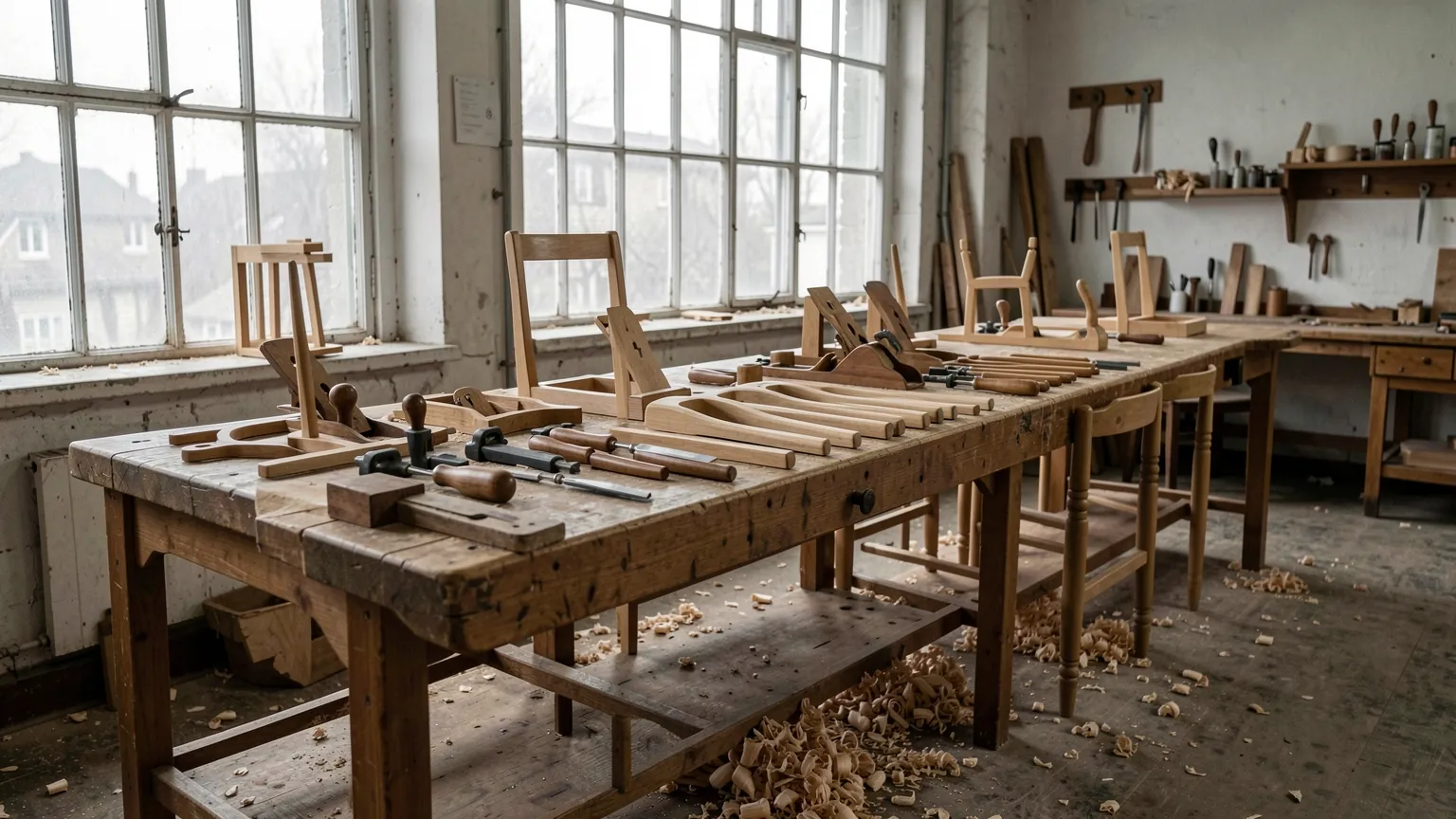
Lesser-Known Danish Furniture Designers: 12 Names Beyond the Usual Icons
Twelve Danish designers and partnerships worth knowing beyond Wegner, Juhl and Jacobsen, each with a documented work and the museum or reference record that supports it.
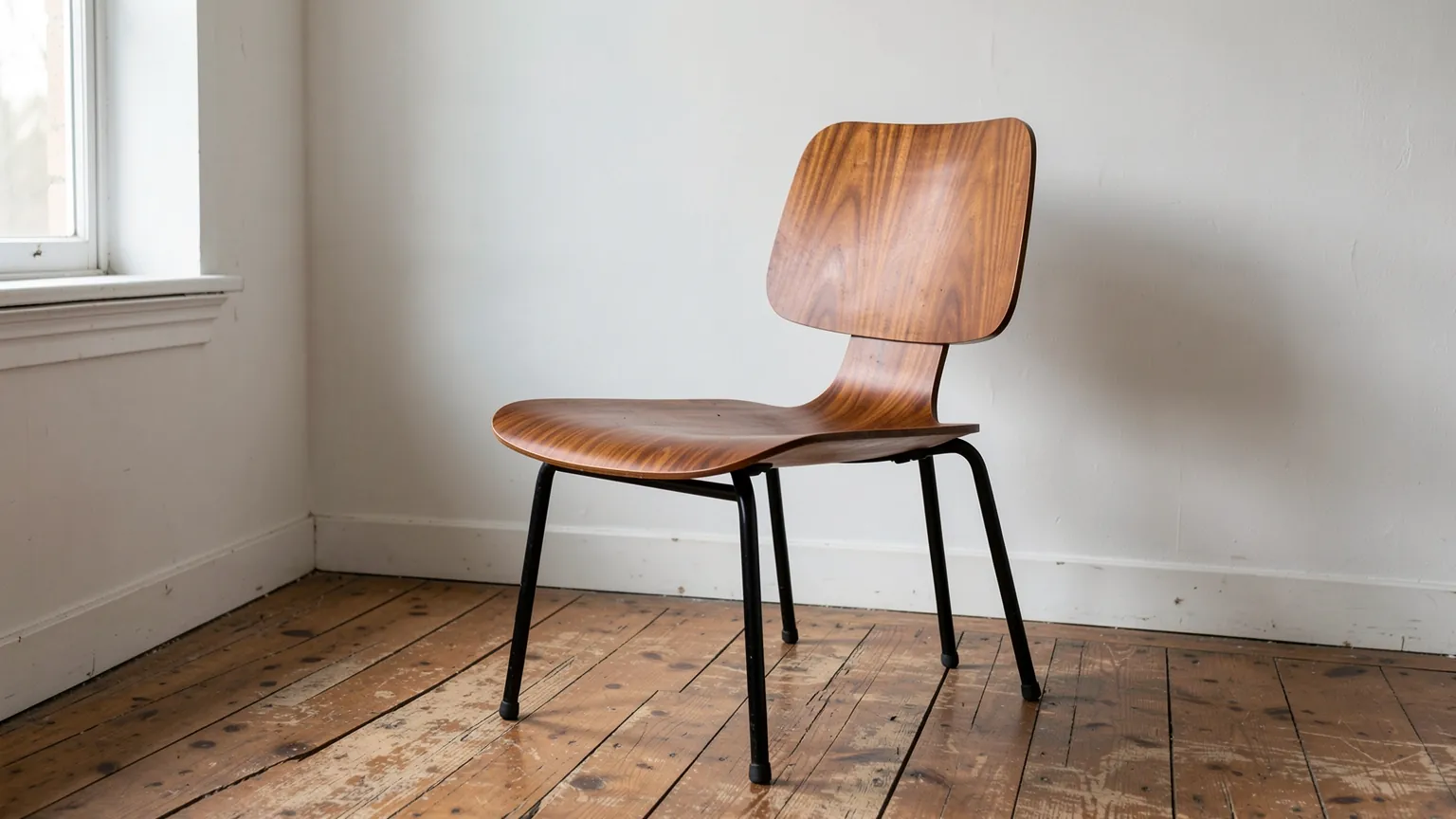
How to Date Herman Miller Furniture by Its Label
Herman Miller changed its labels a dozen times between 1946 and 1984. Each change narrows the date of a piece, and one narrows it to a single year.