Design archive · 1945–1975
Form follows life.
A considered guide to the designers, furniture, buildings and visual ideas that made the mid-century feel modern, and still make it matter.

The archive
Six ways into the period.
Move beyond the same familiar icons. Follow a designer, examine an object, read a building, understand a material or learn how to buy with a more informed eye.
Designers
Profiles, collaborations and overlooked bodies of work.
Furniture & objects
Chairs, lighting, ceramics, glass and the details that distinguish them.
Architecture
Houses, civic buildings, interiors and places to visit.
Materials & making
Timber, plywood, fibreglass, steel and the methods that made new forms possible.
Collecting & buying
Labels, condition, restoration and better-informed purchases.
Visual culture
Graphic design, exhibitions, publishing and the wider image of modern life.
02
Start here
Mid-century modern is not one look.
It is a web of regional traditions, industrial methods, social ambitions and individual experiments. Our essential guide gives you a useful map without flattening the differences.
Recently added
Stories with a longer life.
Profiles, field guides and close readings designed to be useful well beyond the week they are published.
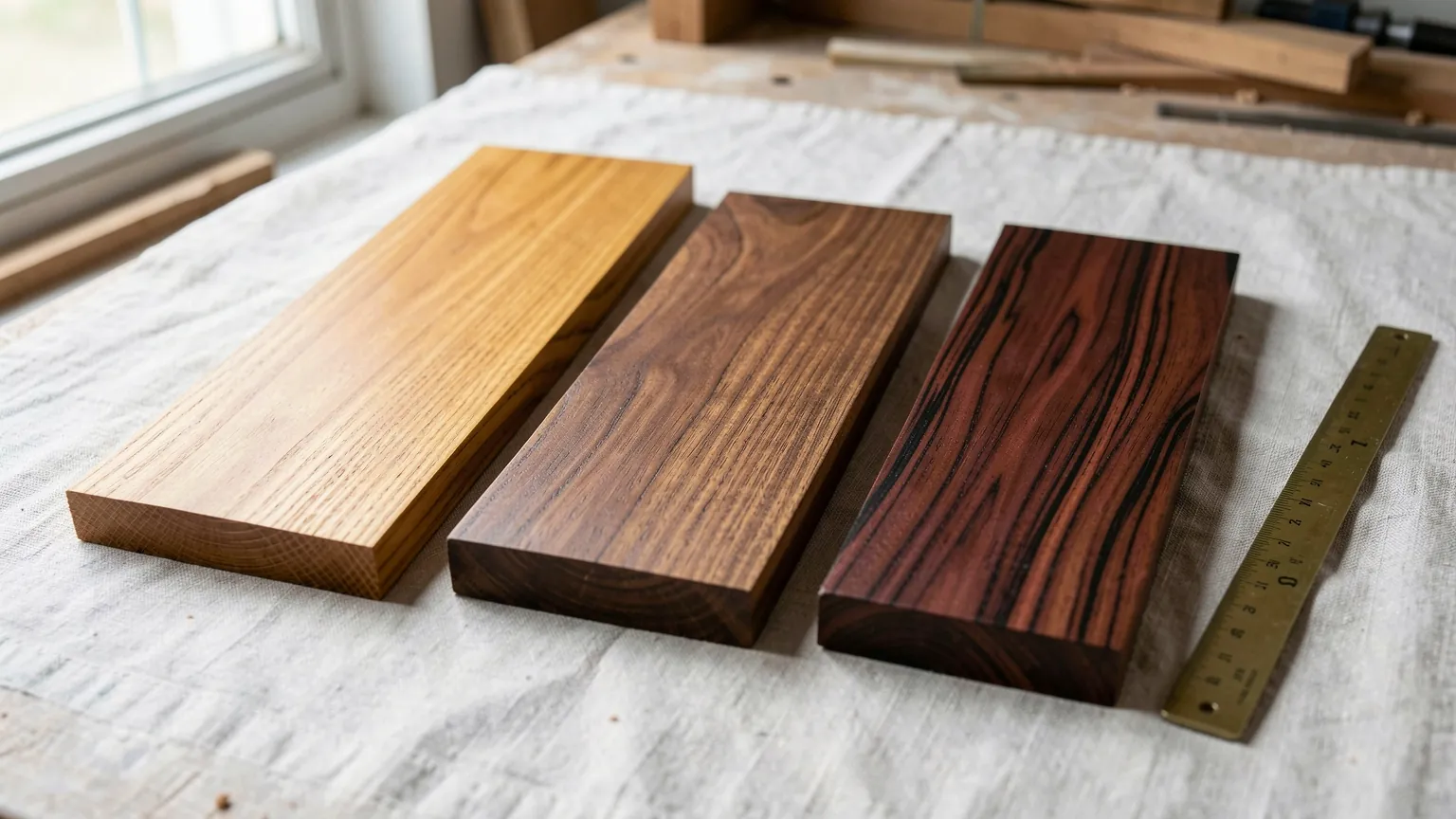
How to Tell Teak, Walnut and Rosewood Furniture Apart
Colour, grain, pores, smell and weight for telling teak, walnut and rosewood apart, with what museum records call them, why stain and veneer mislead, and the rosewood trade rules buyers need to know.
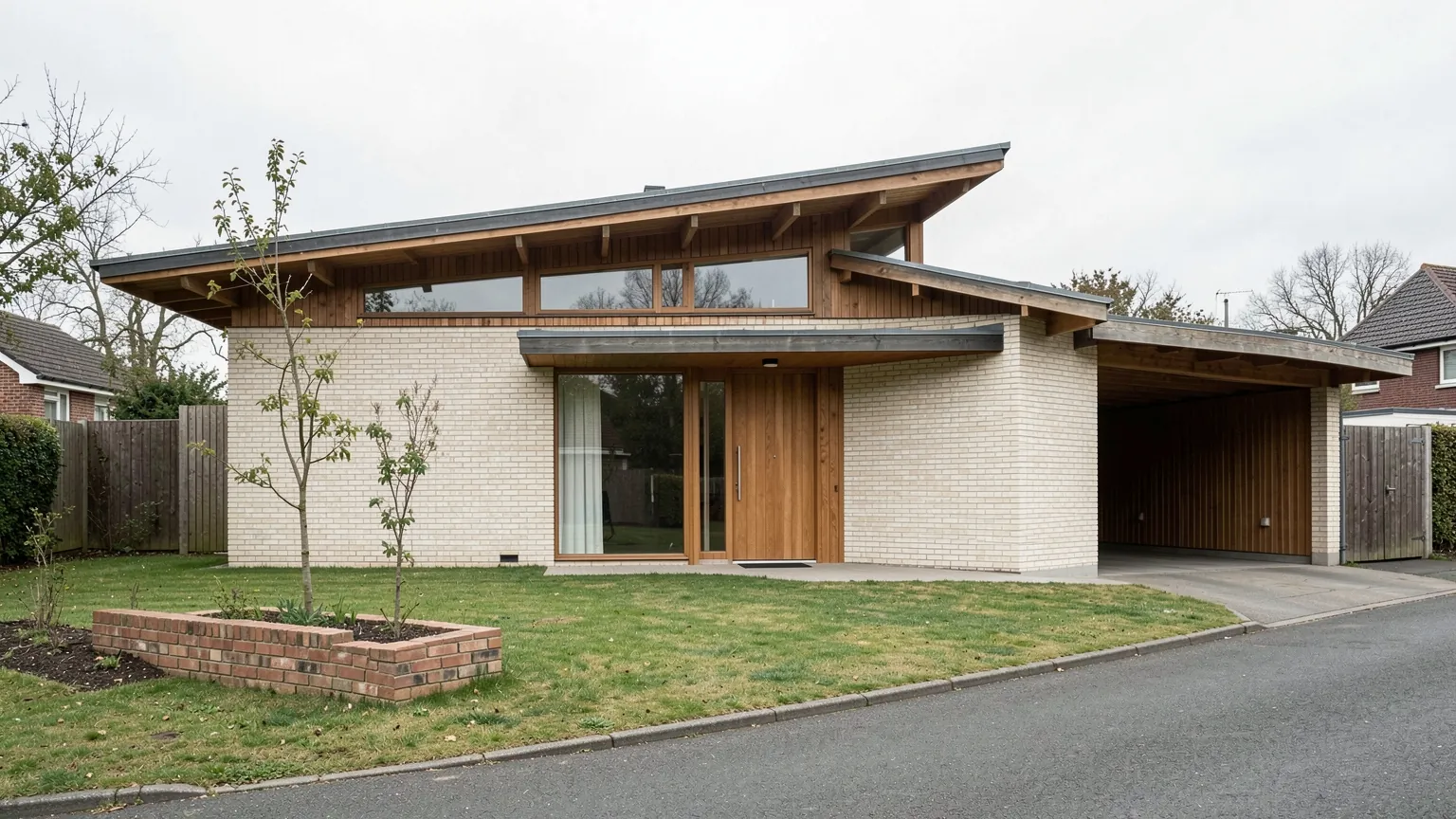
How to Read a Mid-Century House from the Street
Roofline, glazing, structure, entrance, car and landscape: what each tells you about a post-war house from the pavement, with dated British and American examples and the alterations that confuse the picture.
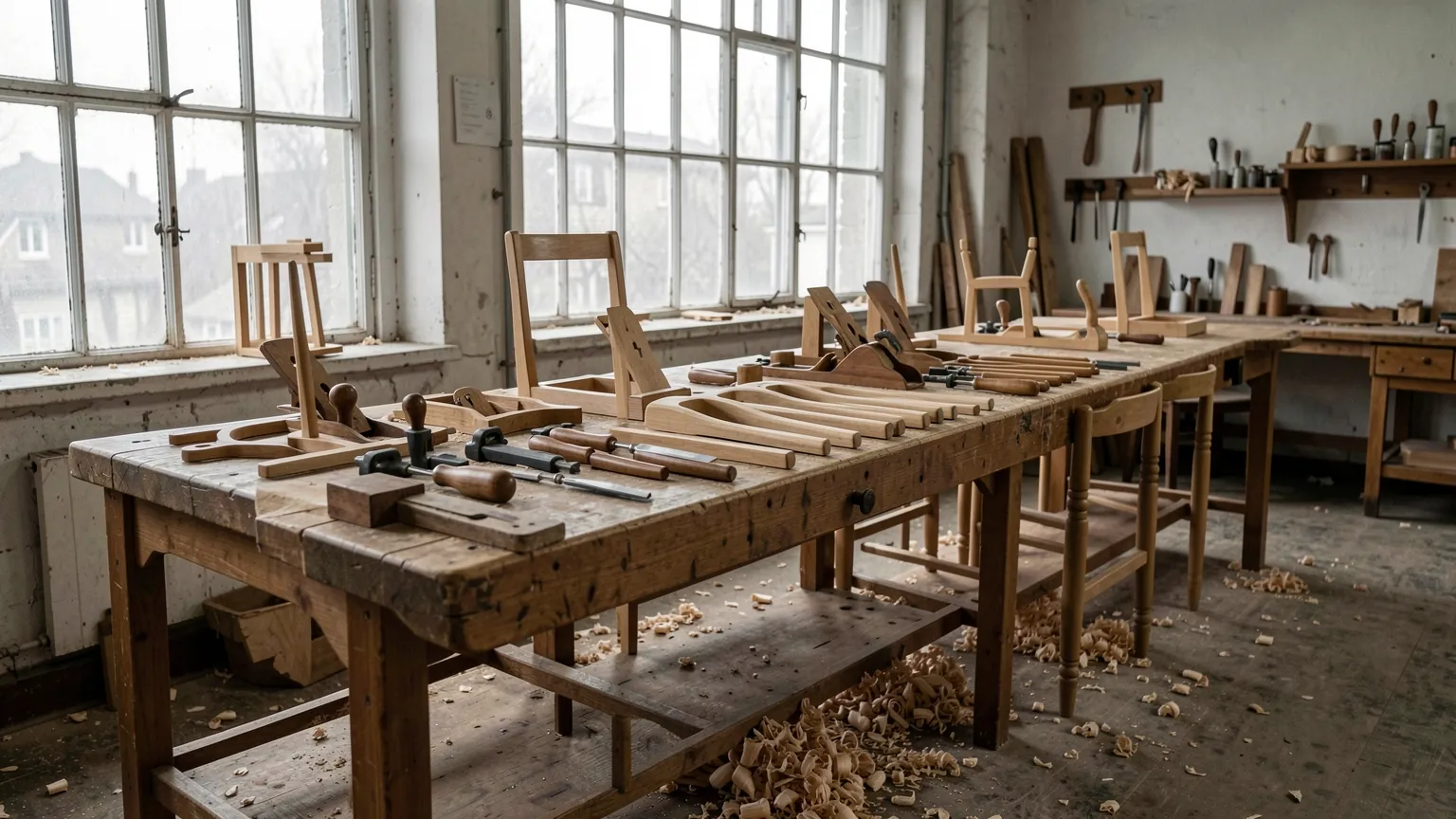
Lesser-Known Danish Furniture Designers: 12 Names Beyond the Usual Icons
Twelve Danish designers and partnerships worth knowing beyond Wegner, Juhl and Jacobsen, each with a documented work and the museum or reference record that supports it.
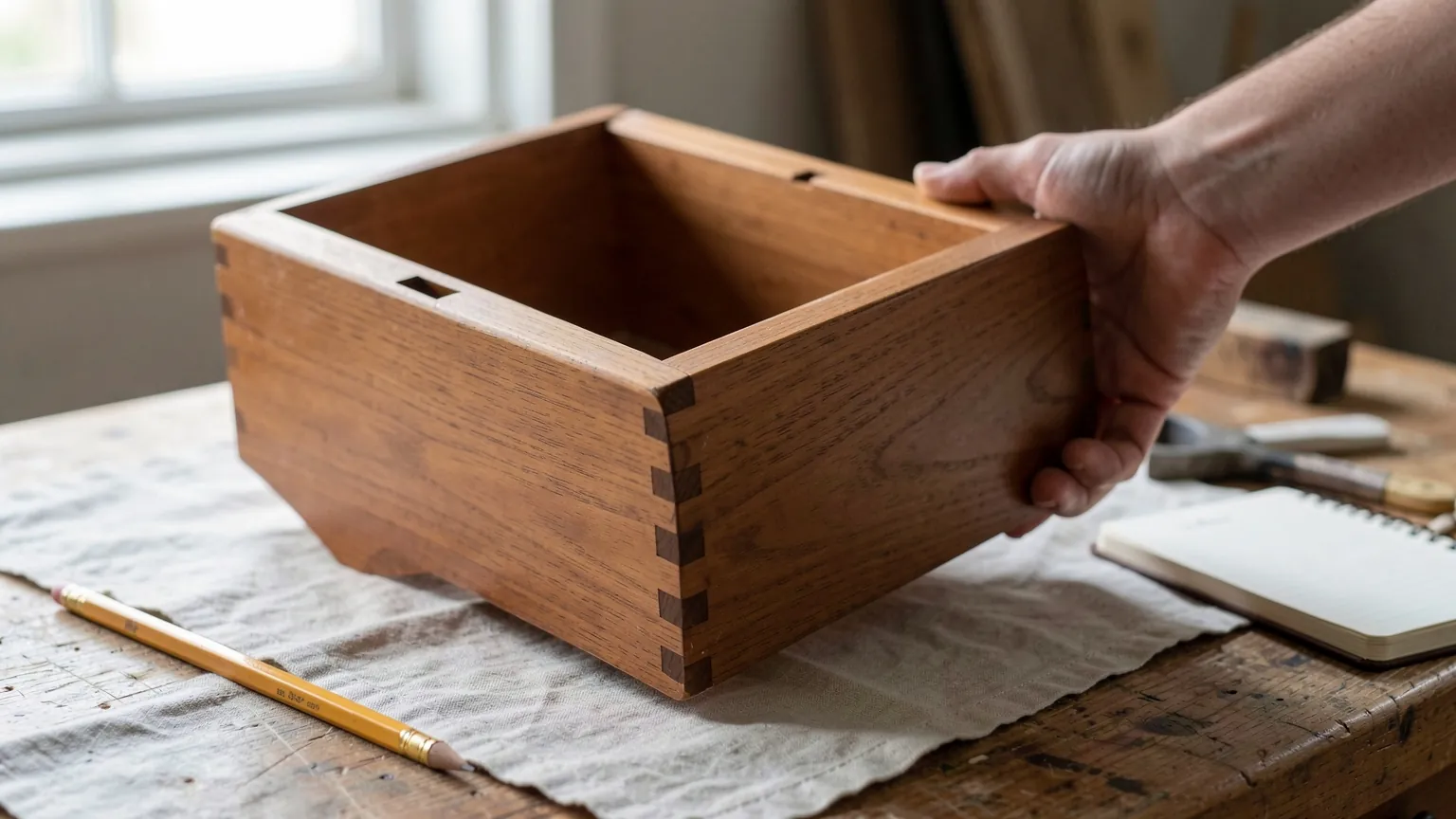
How to Identify Mid-Century Furniture Labels and Maker Marks
Every mark on a piece of furniture answers one question: who made it, who sold it, what scheme it met, where it came from or when it could first have existed. Work out which question before you search.
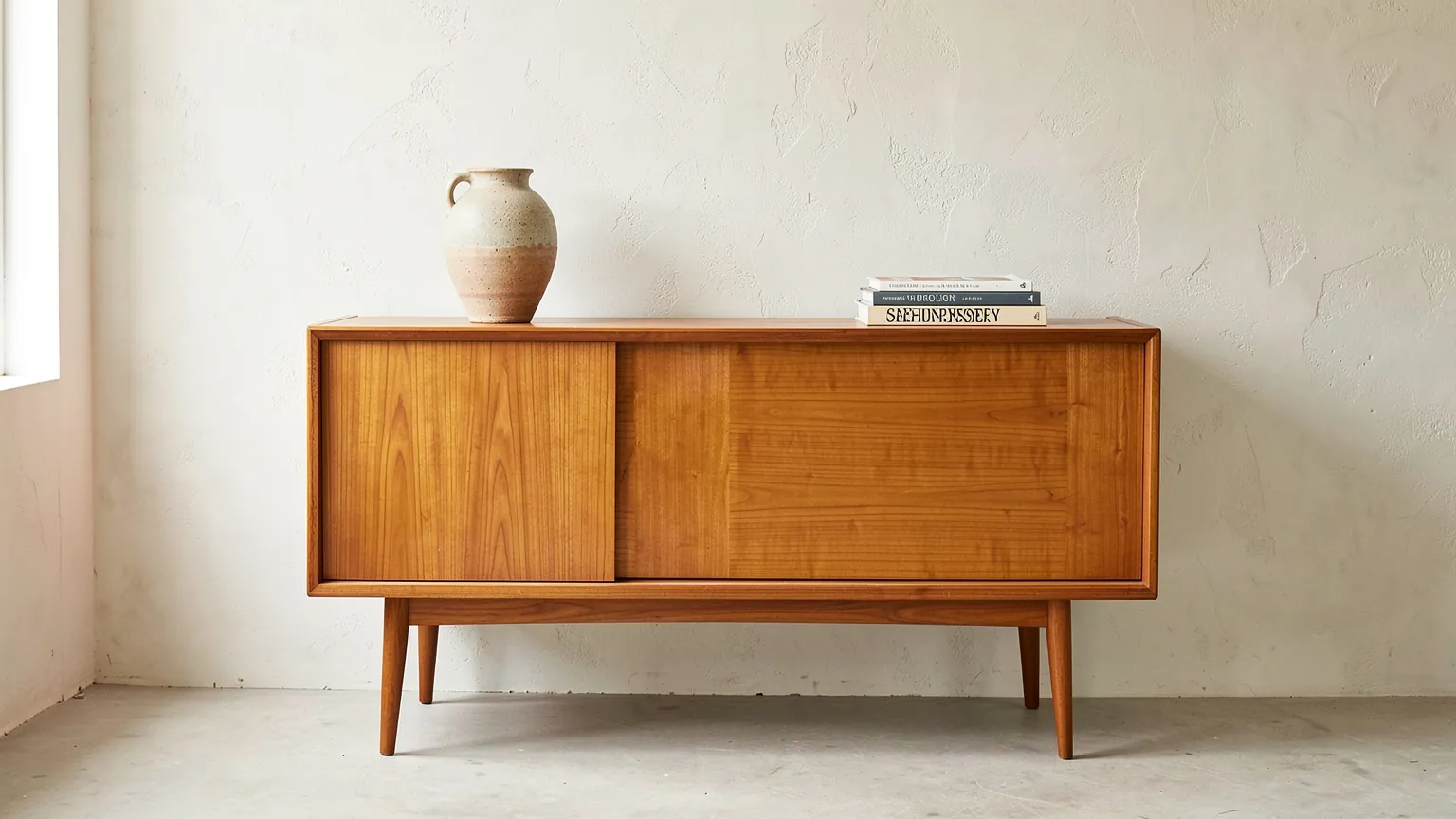
The Danish Furniture Makers' Control Stamp: What It Certifies
The mark certifies Danish origin and a materials standard. It names no designer, guarantees no timber, and cannot appear on furniture made before 1960.
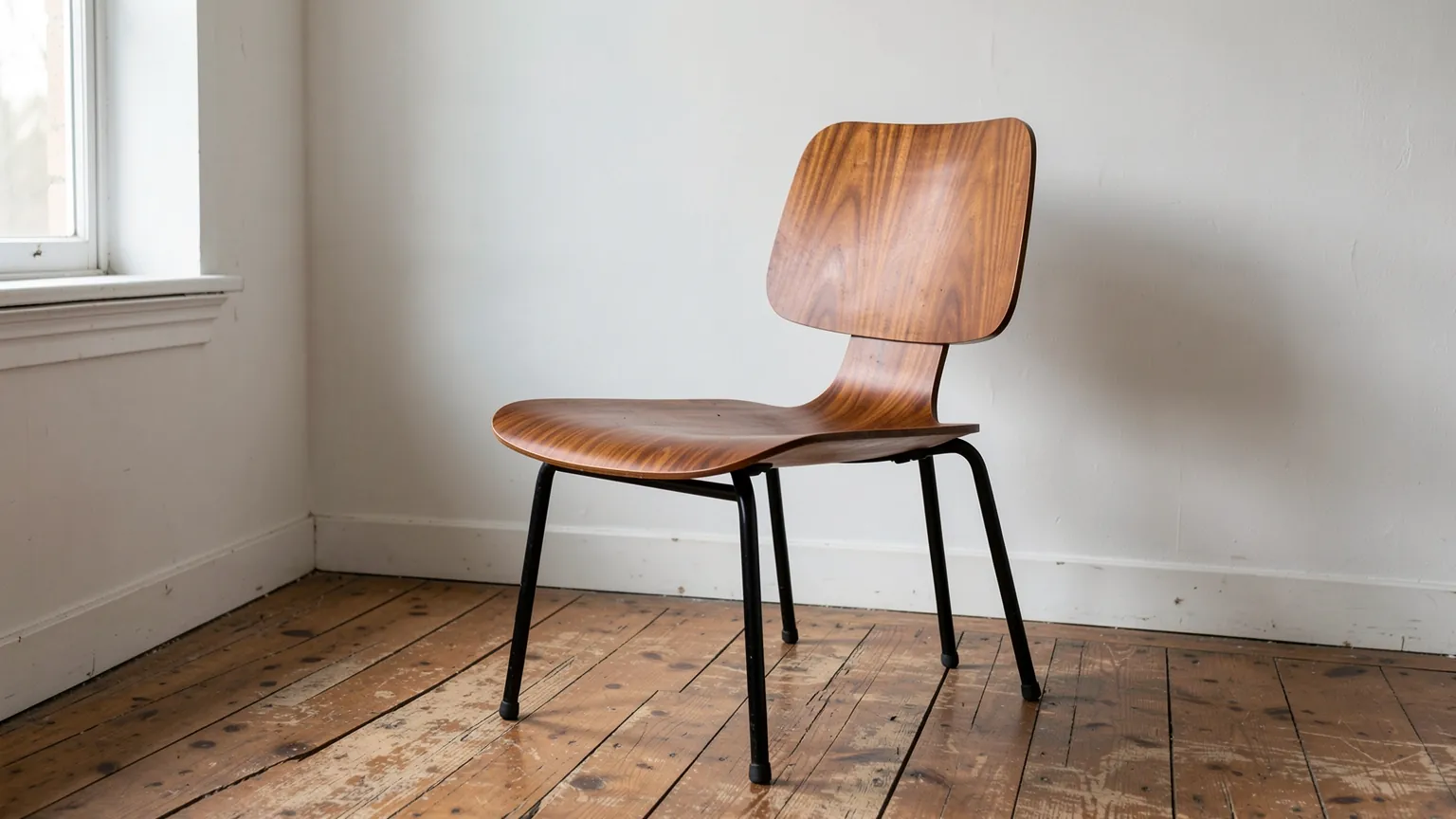
How to Date Herman Miller Furniture by Its Label
Herman Miller changed its labels a dozen times between 1946 and 1984. Each change narrows the date of a piece, and one narrows it to a single year.
A quiet monthly letter
One object. One building. One designer.
A concise monthly note for people who want to look more closely at twentieth-century design. No daily churn.
The first letter is in preparation.