Topic
United States
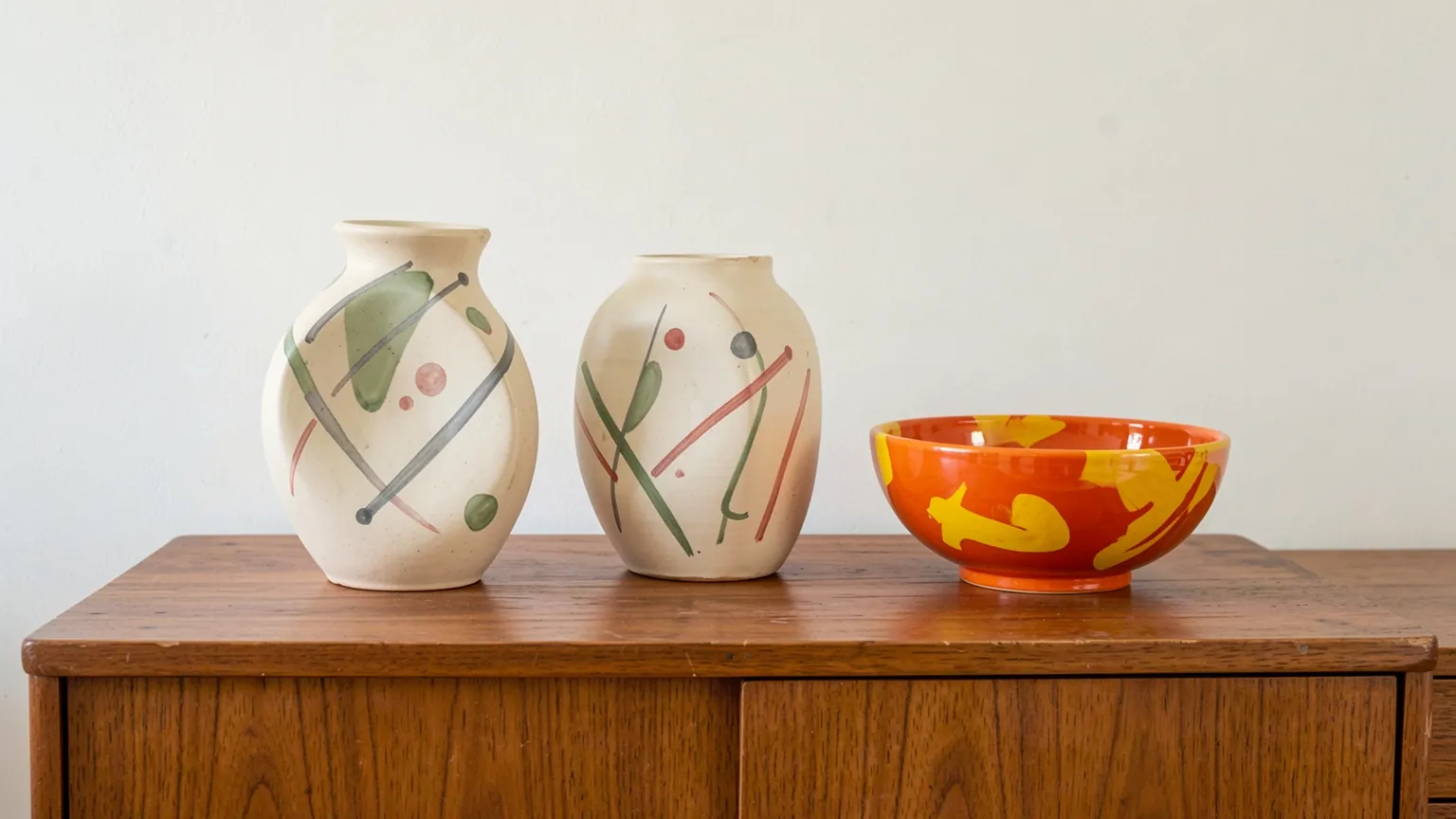
Roseville Pottery Marks: How to Read the Stamp and Date a Piece
Roseville marks run from early wafers and the blue Rv ink stamp to paper labels, an impressed script mark and finally the raised 'Roseville U.S.A.' used until the 1950s. Here is the sequence, what the shape numbers mean, and how to spot the Chinese copies sold since the 1990s.
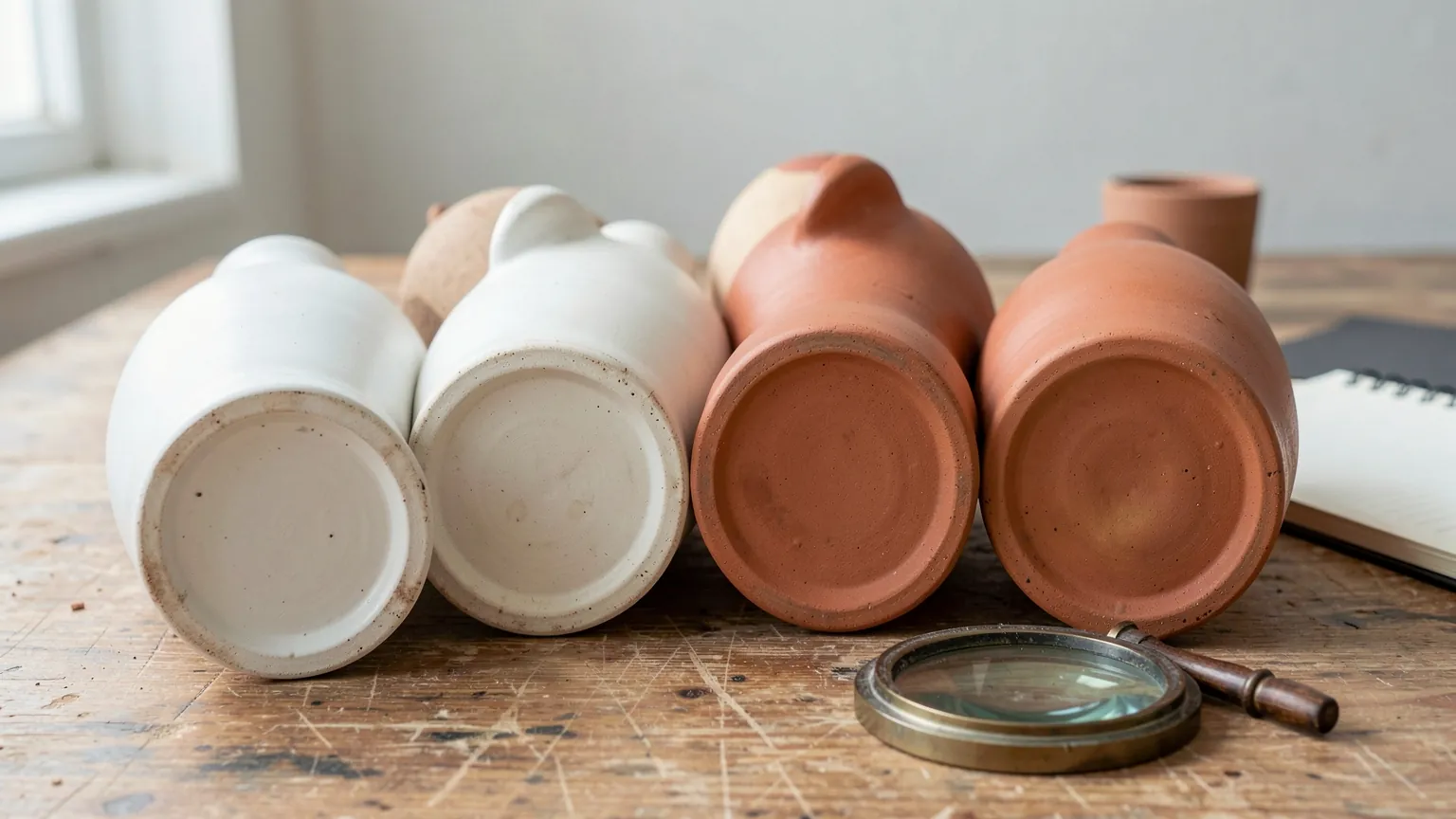
Pottery Marks by Symbol: Crown, Anchor, Fish, Bird and Other Picture Marks
A crown, anchor, beehive, knot, fish or bird on the base of a pot rarely identifies the maker on its own. Here is what the common picture marks do and do not tell you, which makers used the documented ones, and how to search for a mark by its symbol.
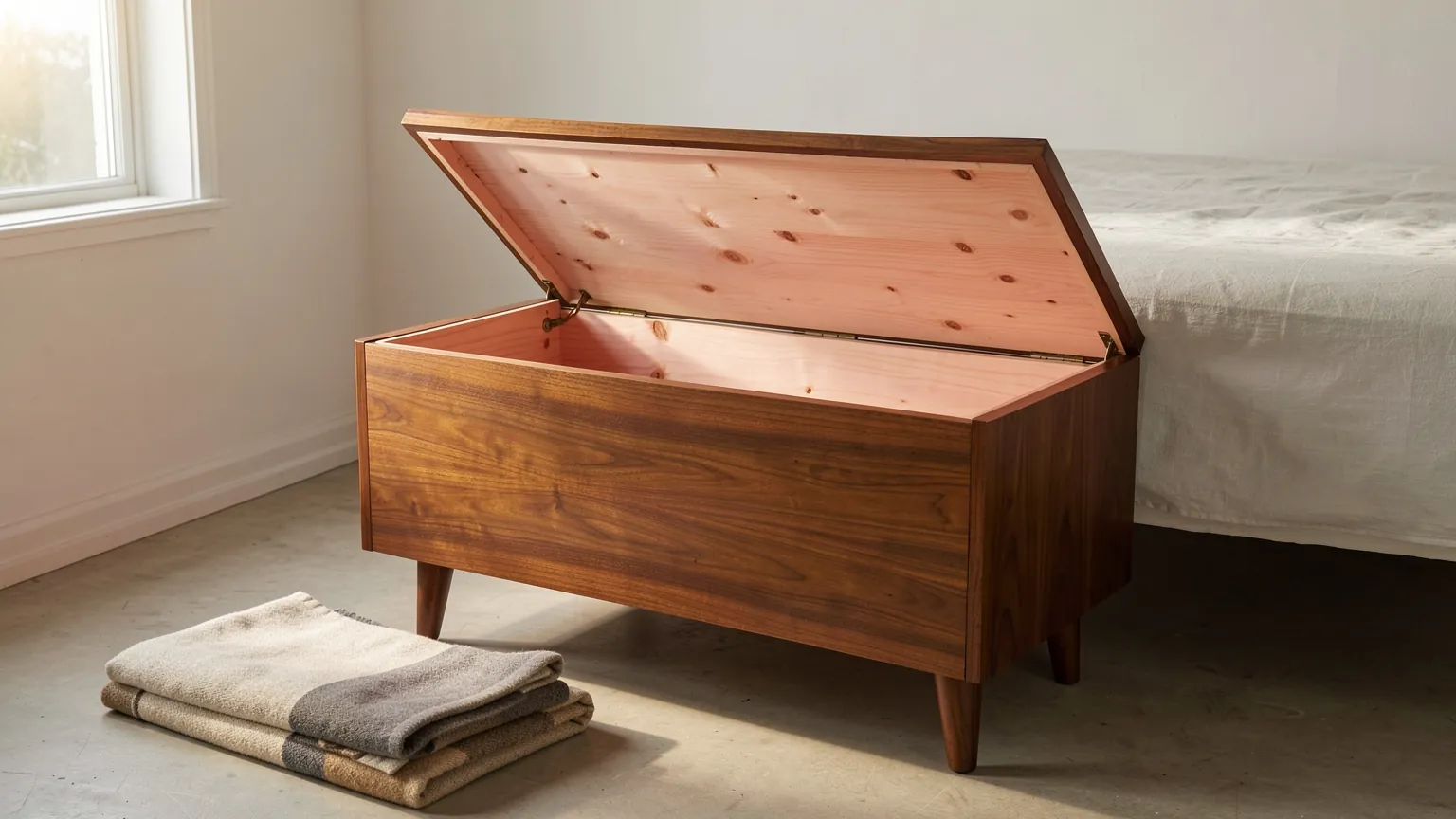
Lane Cedar Chest Value: What a Vintage Lane Chest Is Worth
Most vintage Lane cedar chests sell for a few hundred dollars. Age, style, condition and the cedar lining move the price, and the old self-locking latch has to come off before you sell one. Here is how to date your chest and judge what it is worth.

What Makes an Eichler Home?
An Eichler home is one of the more than 11,000 modern houses built in California by Joseph Eichler's company from 1949: post-and-beam, glass walls to the garden, a closed face to the street, radiant floors and, in later models, an open atrium. Here is how to recognise one.

Eichler Homes: The Tracts and Where to Find Them
Eichler Homes built in nine Northern California and three Southern California communities, from Sunnymount Gardens in 1949 to the San Mateo Highlands, the largest Eichler tract. Here are the main tracts with dates and sizes, the architects who designed them, and how to check whether a house is an Eichler.
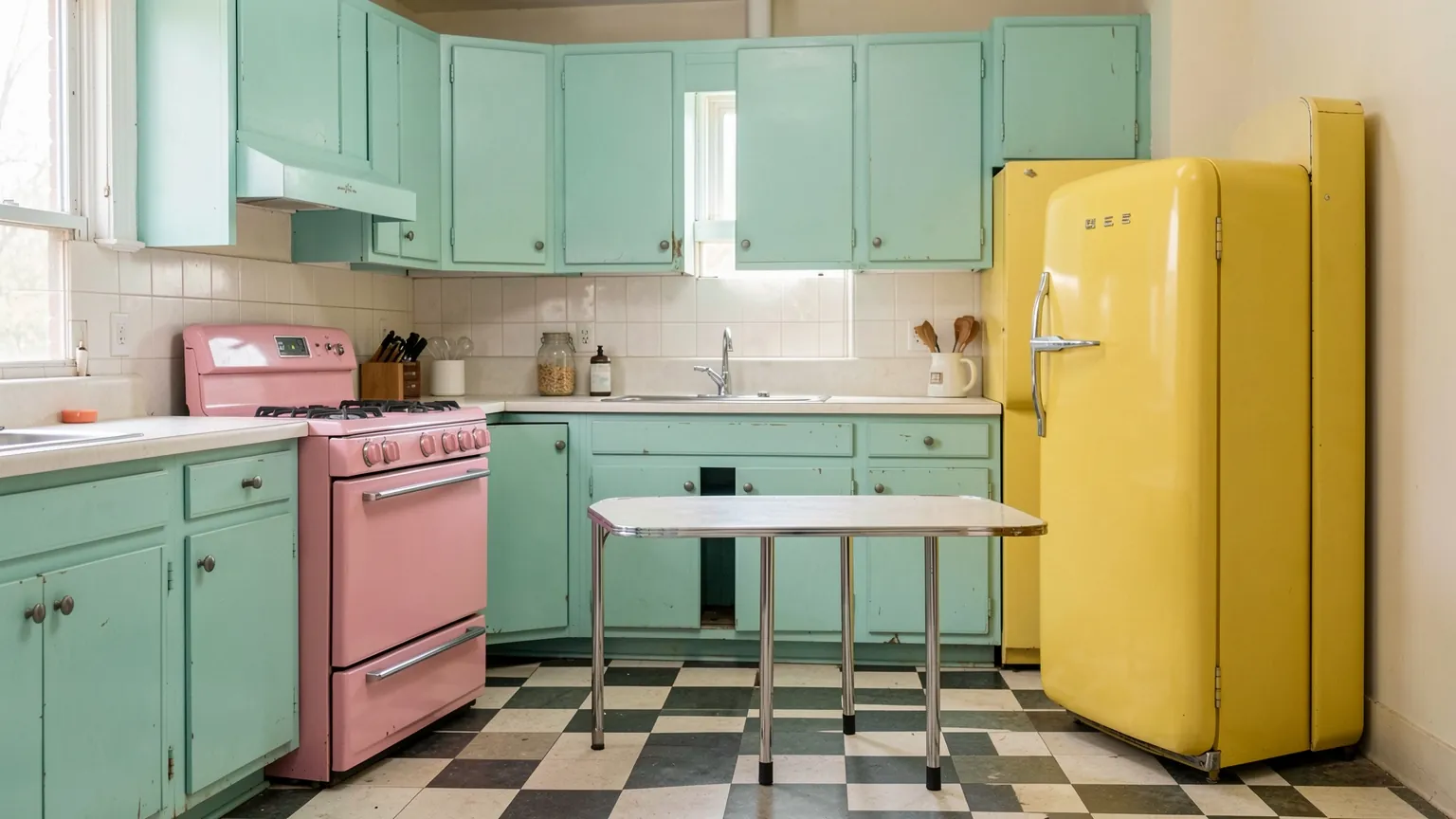
Original Mid-Century Paint Colours: What Homes Were Really Painted
Mid-century homes were not all white and teak. British architects chose from the 101 colours of BS 2660 from 1955, and American kitchens moved from pastels to Coppertone, Avocado and Harvest Gold. Here is what the records show, and how to choose colours for a mid-century house today.

How to Date an Eames Fibreglass Shell Chair
Eames fibreglass shell chairs can be dated by generation from the marks under the shell, the shock mounts and the colour. Here is how to tell a 1950s Zenith chair from a later Herman Miller one and from the fibreglass chairs made again since 2013.

George Nelson's Designs for Herman Miller
George Nelson was Herman Miller's director of design from the late 1940s to 1972, and his office produced the Platform Bench, the Coconut chair, the Marshmallow sofa and the ball clock. Here are the key designs, who in the office really designed them, and how to tell vintage pieces from reissues.
Drexel Declaration: How to Identify Kipp Stewart and Stewart MacDougall's Line
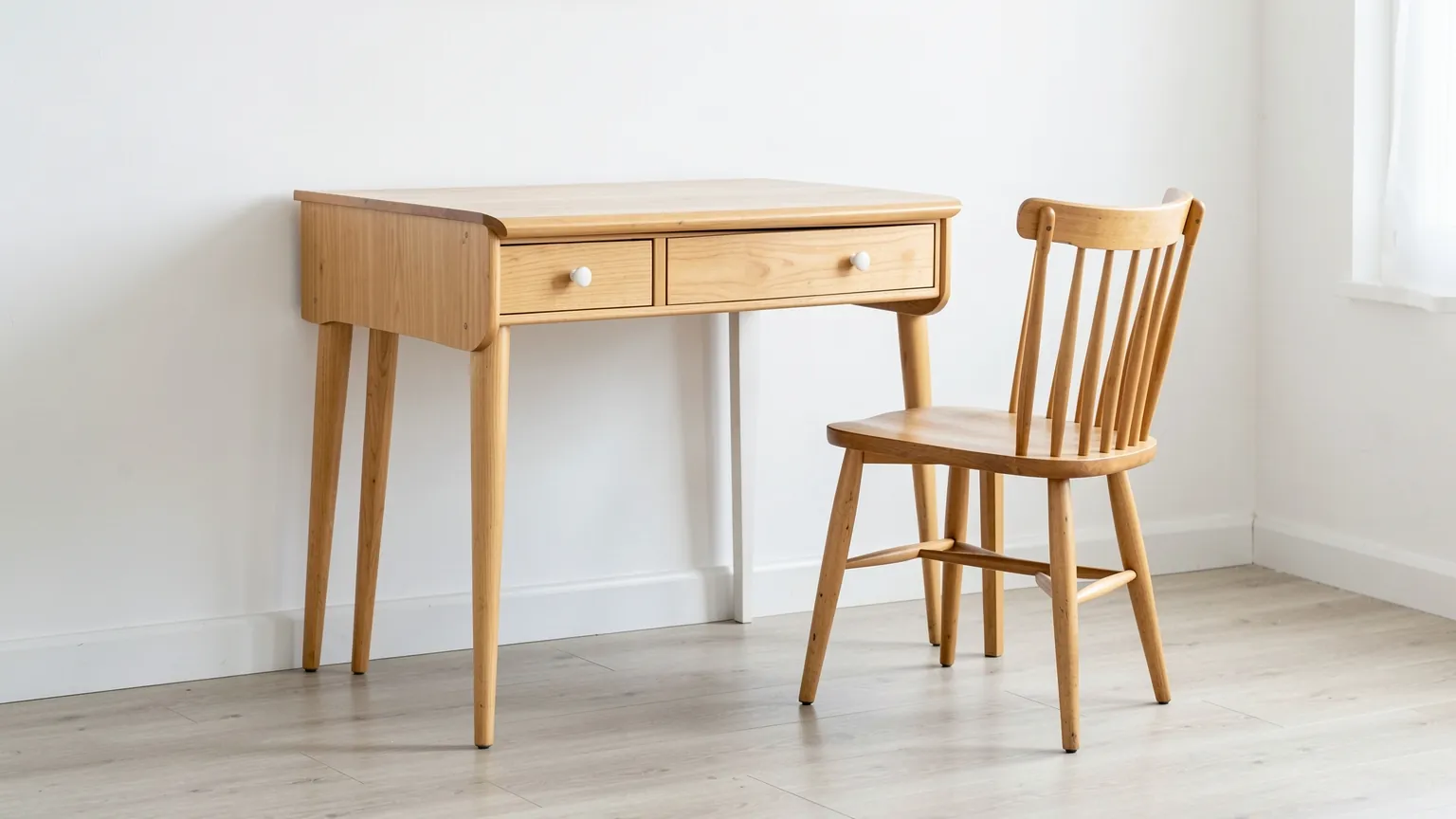
Drexel's Declaration line, designed by Kipp Stewart and Stewart MacDougall, is solid-looking natural walnut with porcelain or brass pulls and a Shaker restraint. Here is how to identify it, read its stamps and tell it from other Drexel lines.
Broyhill Brasilia: How to Identify the Pieces
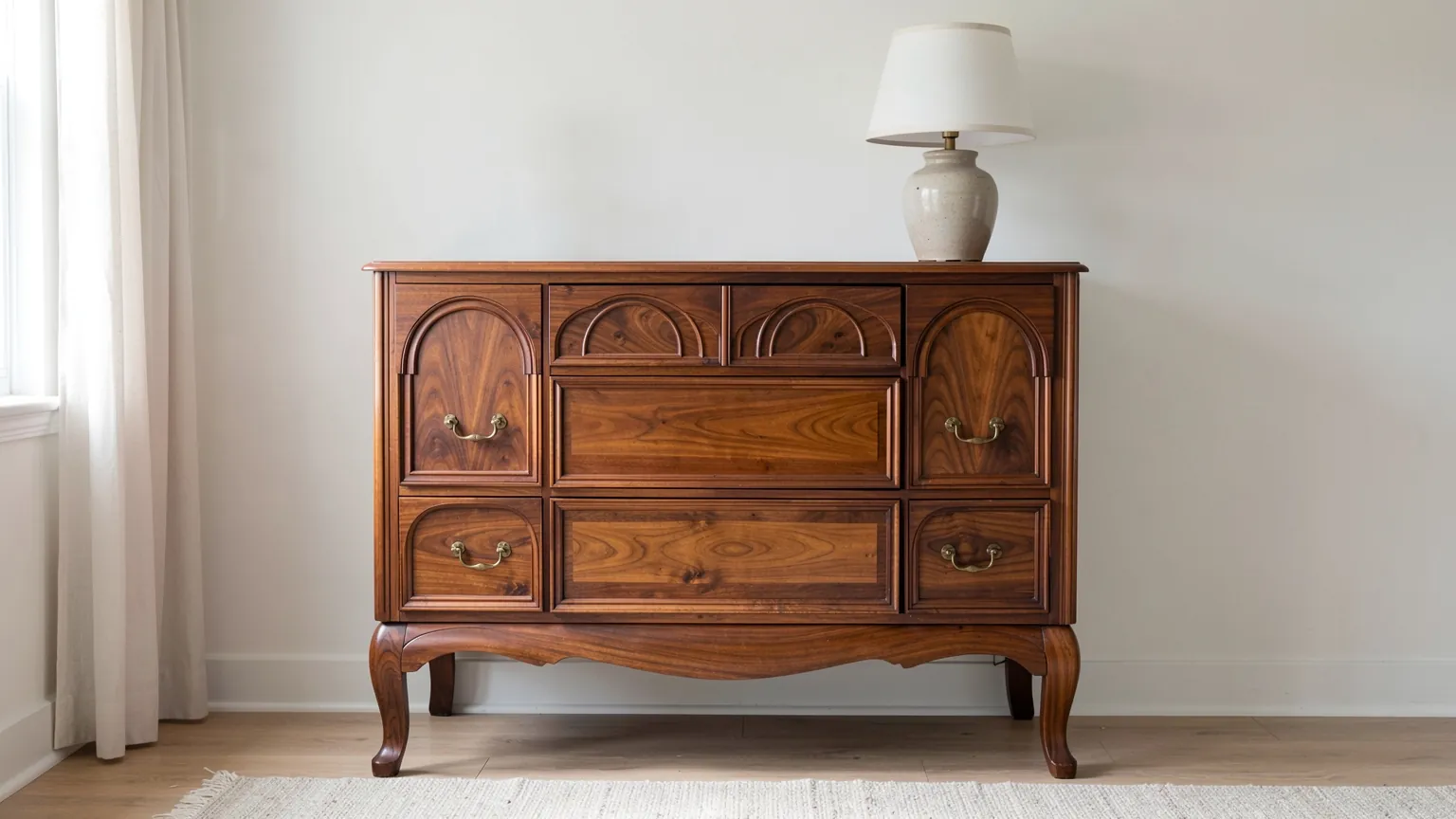
Broyhill Brasilia is recognisable by its sculpted arches, walnut veneer and brass pulls, and genuine pieces carry a Brasilia or Broyhill Premier label inside a drawer. Here is how to identify it, what the line included, and why so much written about its designer is wrong.
How to Tell a Genuine Eames Lounge Chair from a Copy
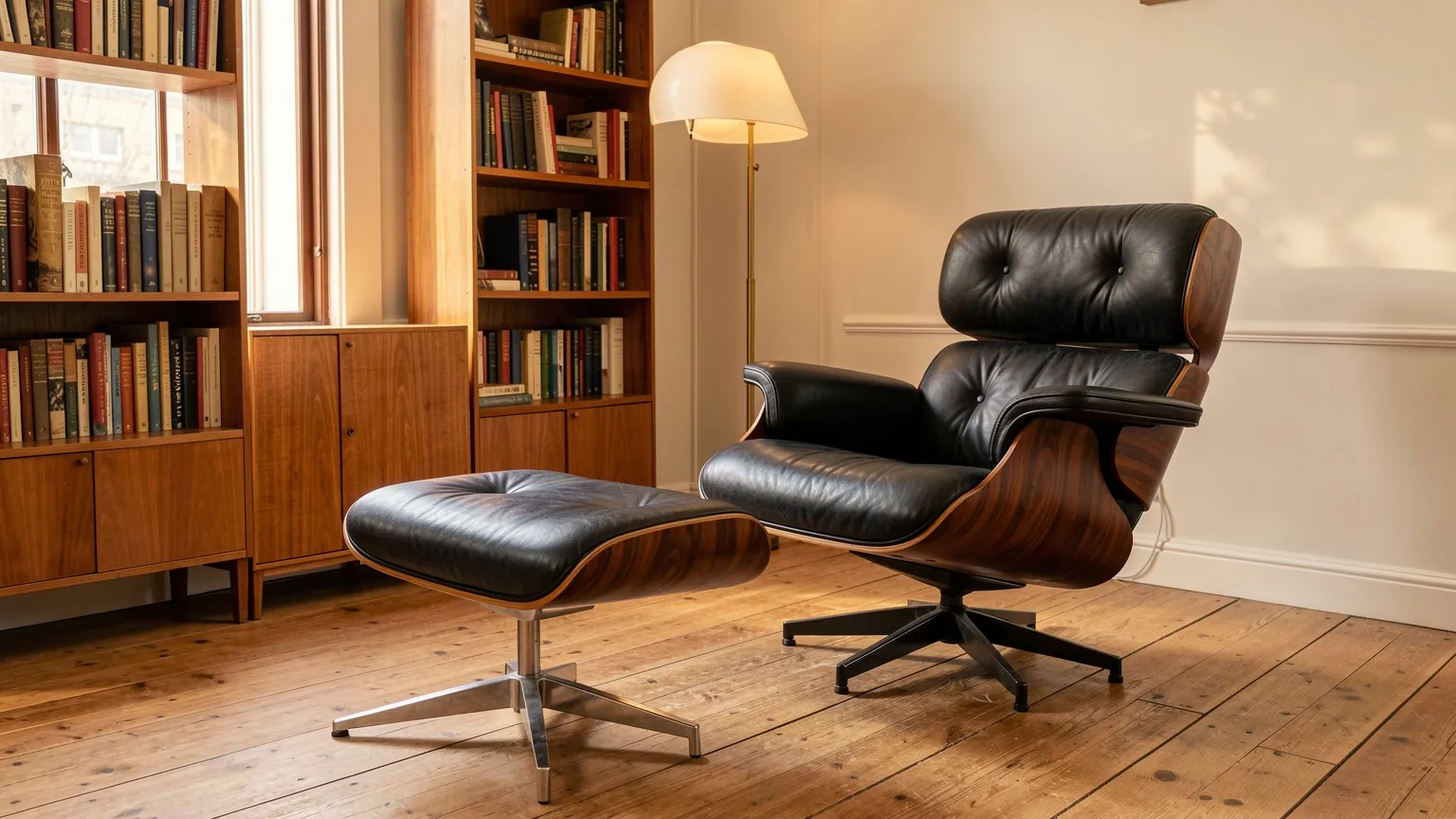
A genuine Eames Lounge Chair can be checked in ten minutes: the label, the shells, the shock mounts, the base, the fixings and the proportions. Here is what to look for, and how the details date a chair by generation.
Lane Acclaim and Lane Serial Numbers: How to Identify and Date Lane Furniture
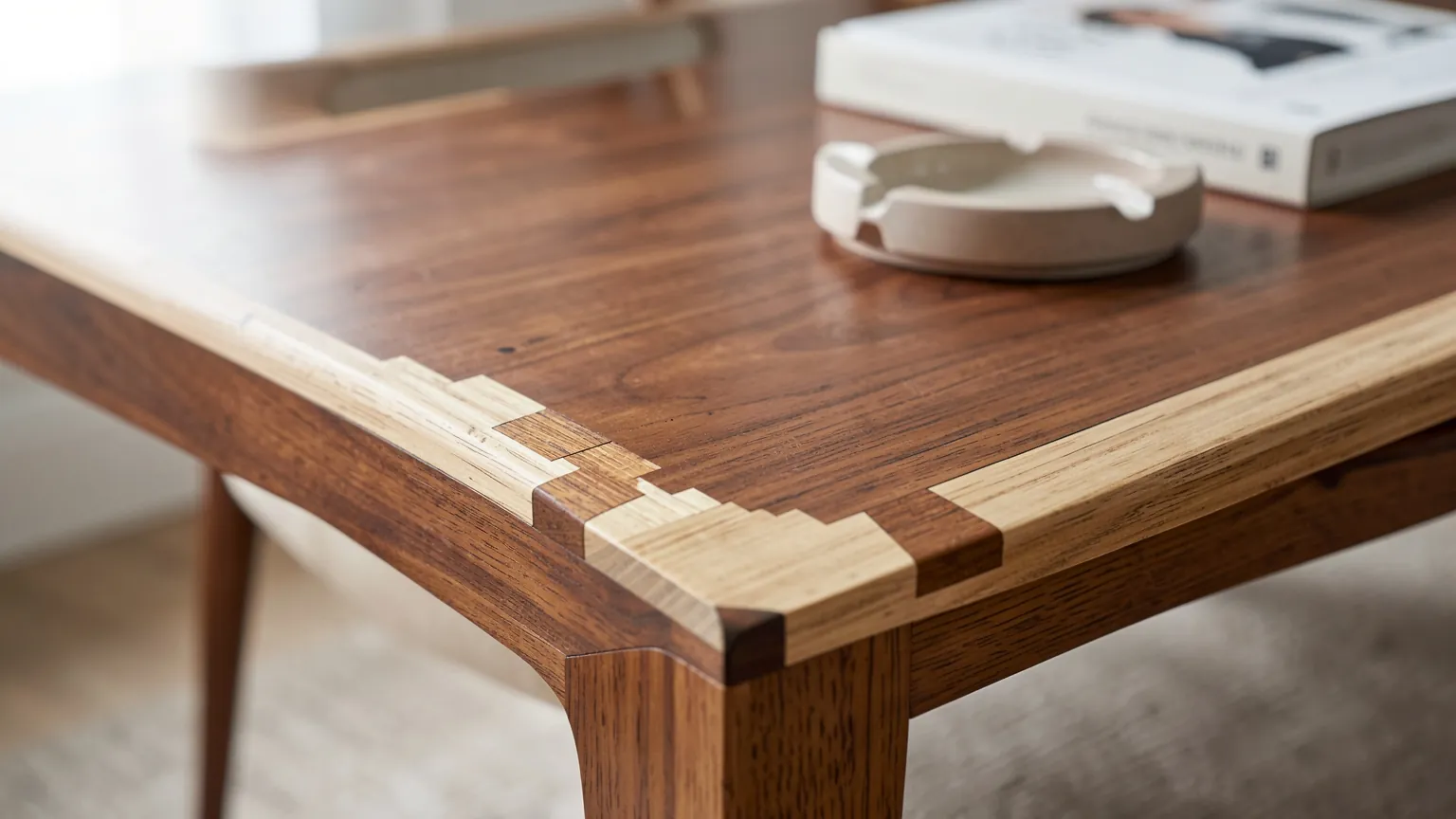
Most Lane furniture can be dated to the day by reading its serial number backwards. Here is how that works, how to recognise André Bus's Acclaim line, and the safety step every old Lane cedar chest needs.
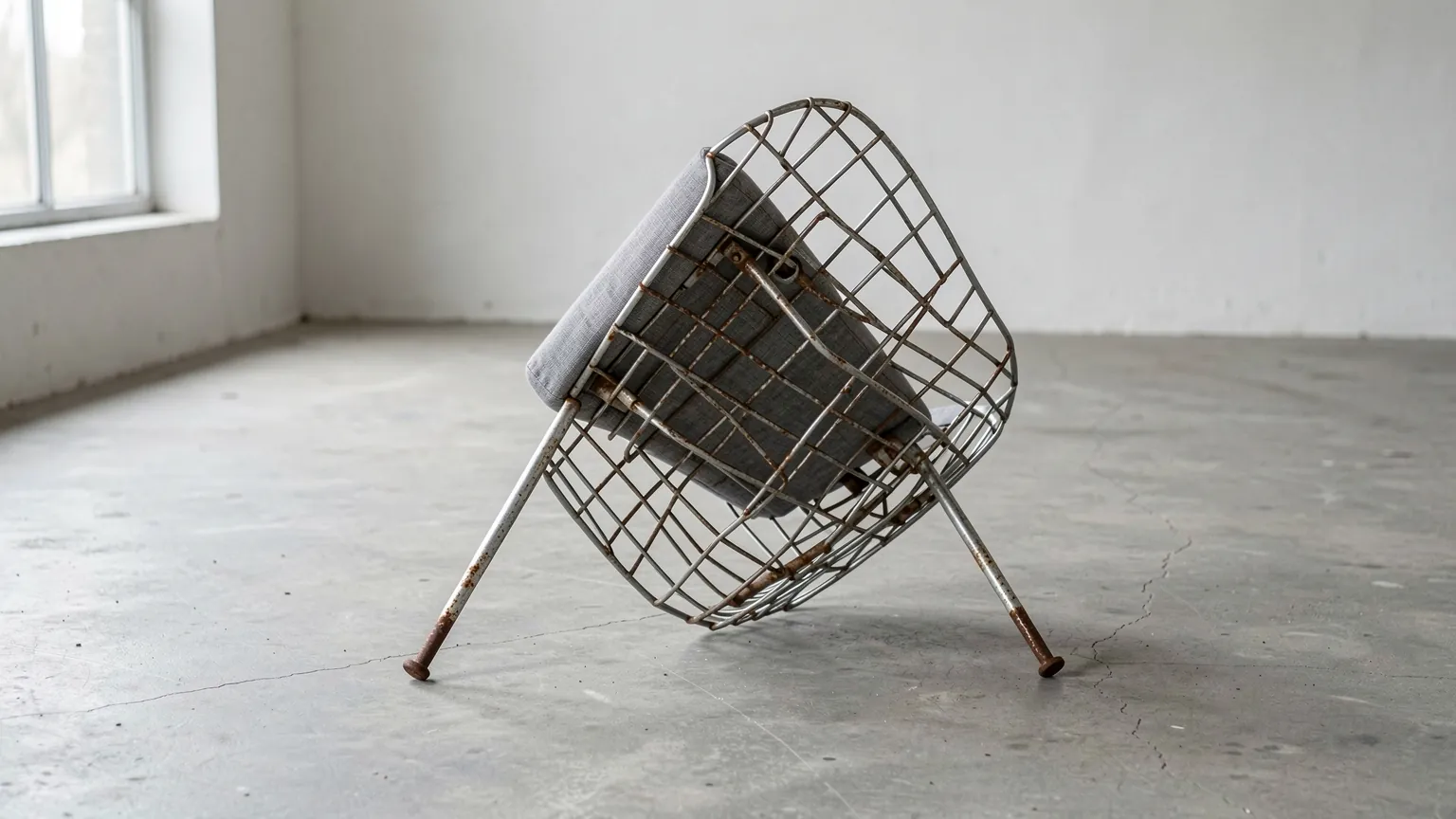
Knoll Labels: How to Date Knoll Furniture
The company name on a Knoll label is the best single dating clue: Knoll Associates, Knoll International, The Knoll Group or KnollStudio. Here is what each name tells you, where to find the label, and what to check when it is missing.
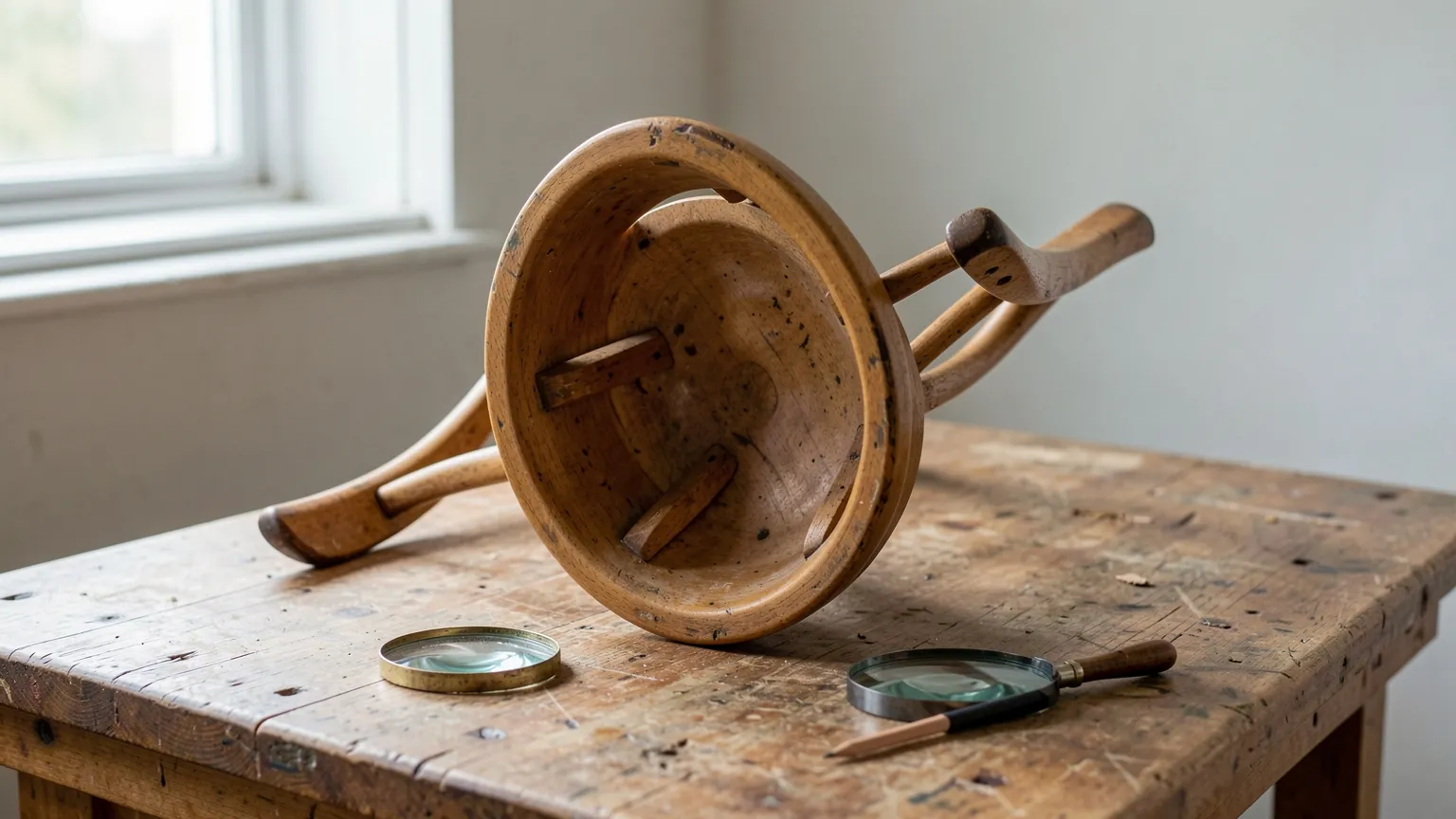
Thonet Labels and Stamps: How to Date a Thonet Chair
A Thonet label or stamp can tell you roughly when and where a bentwood chair was made, and which company made it. Here is how to read the marks, and where they stop being reliable.

How to Read a Mid-Century House from the Street
Roofline, glazing, structure, entrance, car and landscape: what each tells you about a post-war house from the pavement, with dated British and American examples and the alterations that confuse the picture.
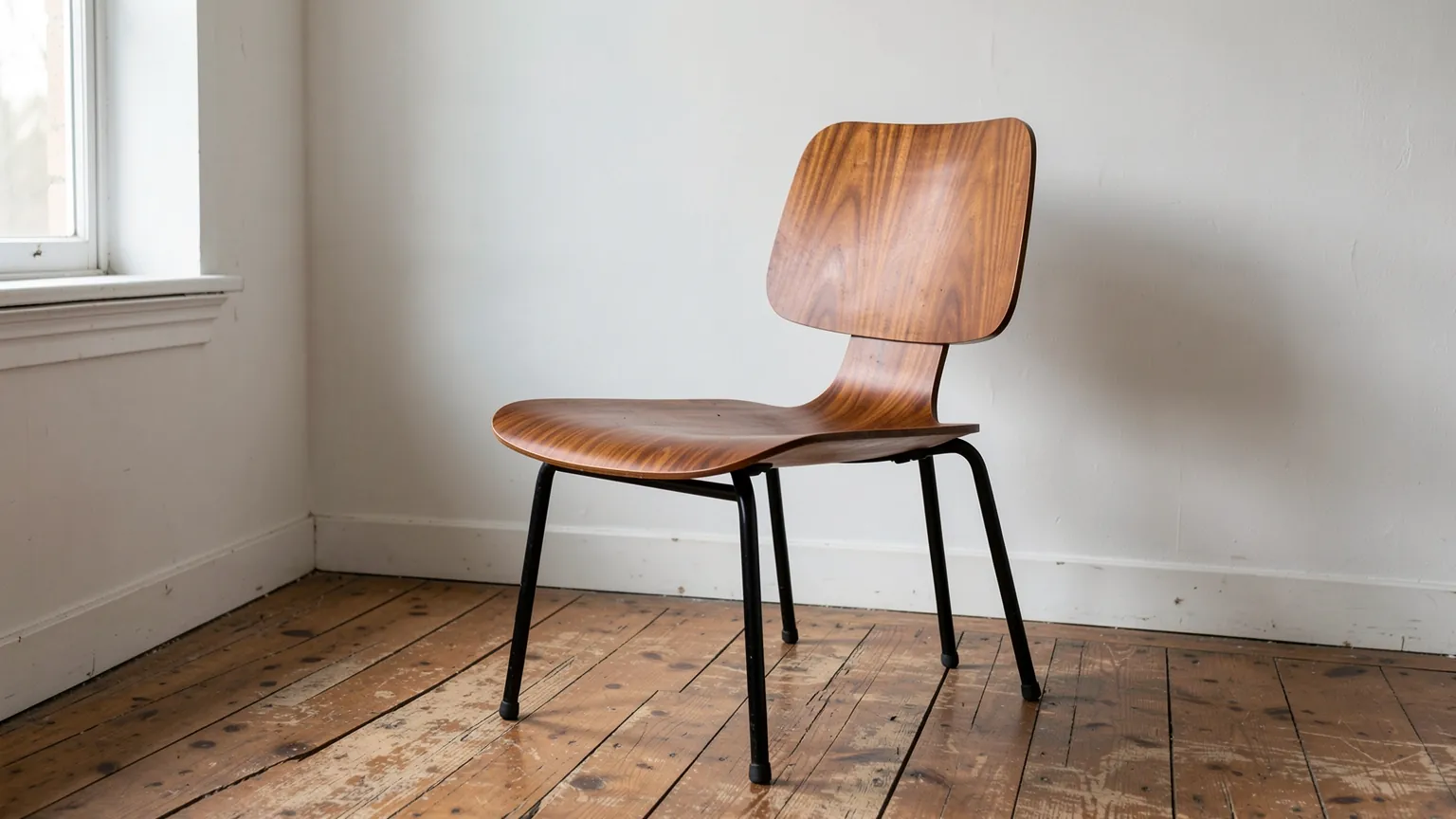
How to Date Herman Miller Furniture by Its Label
Herman Miller changed its labels a dozen times between 1946 and 1984. Each change narrows the date of a piece, and one narrows it to a single year.