Topic
Ceramics
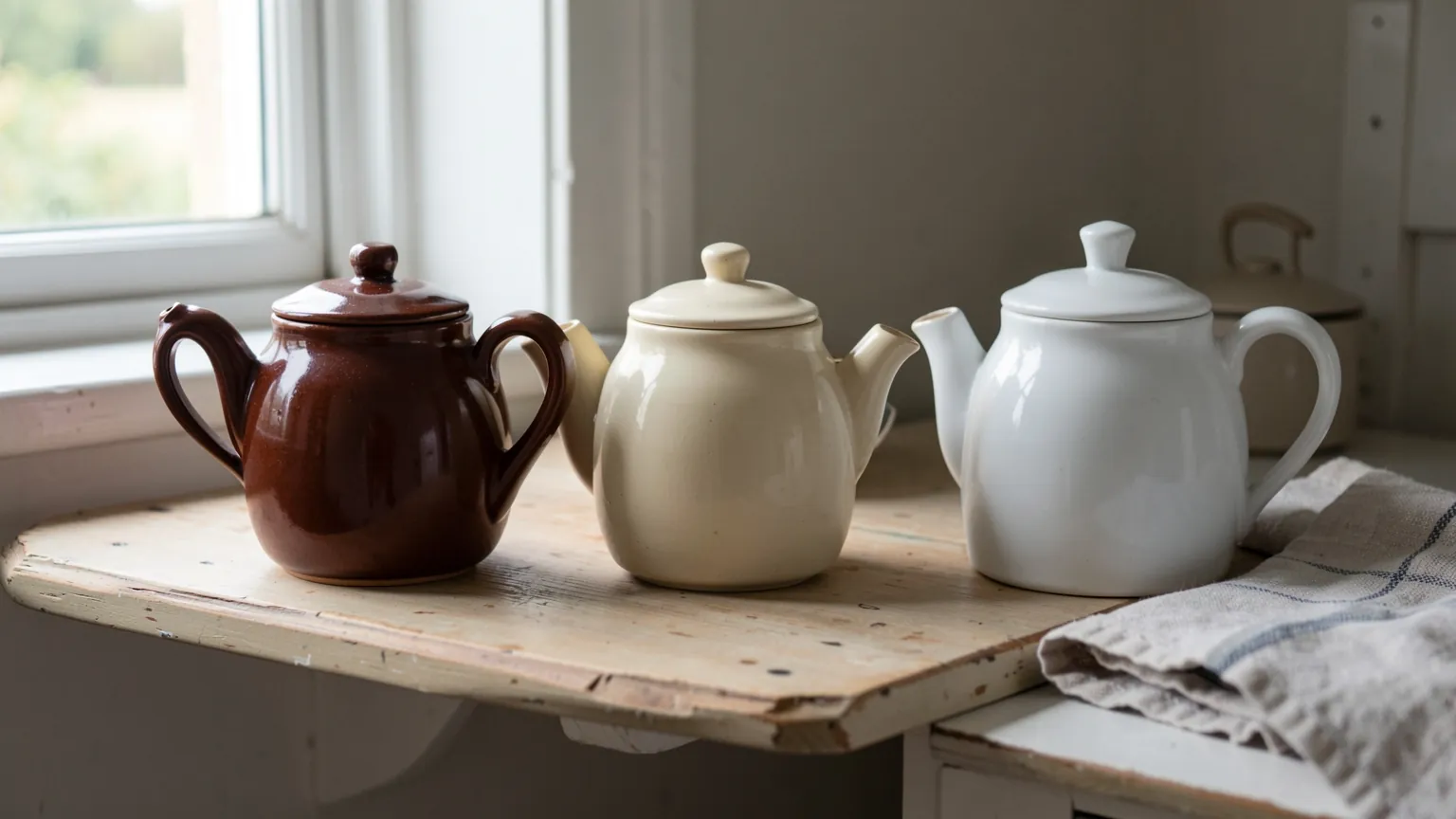
Ellgreave Pottery Marks: Dating Ellgreave (Wood & Sons) Pottery
Ellgreave was the Burslem pottery run by Wood & Sons from the early 1920s, best known for teapots and everyday earthenware. Here is what the Ellgreave marks say, how to read a printed date code, and how the Wood & Sons group marks help you date the rest.
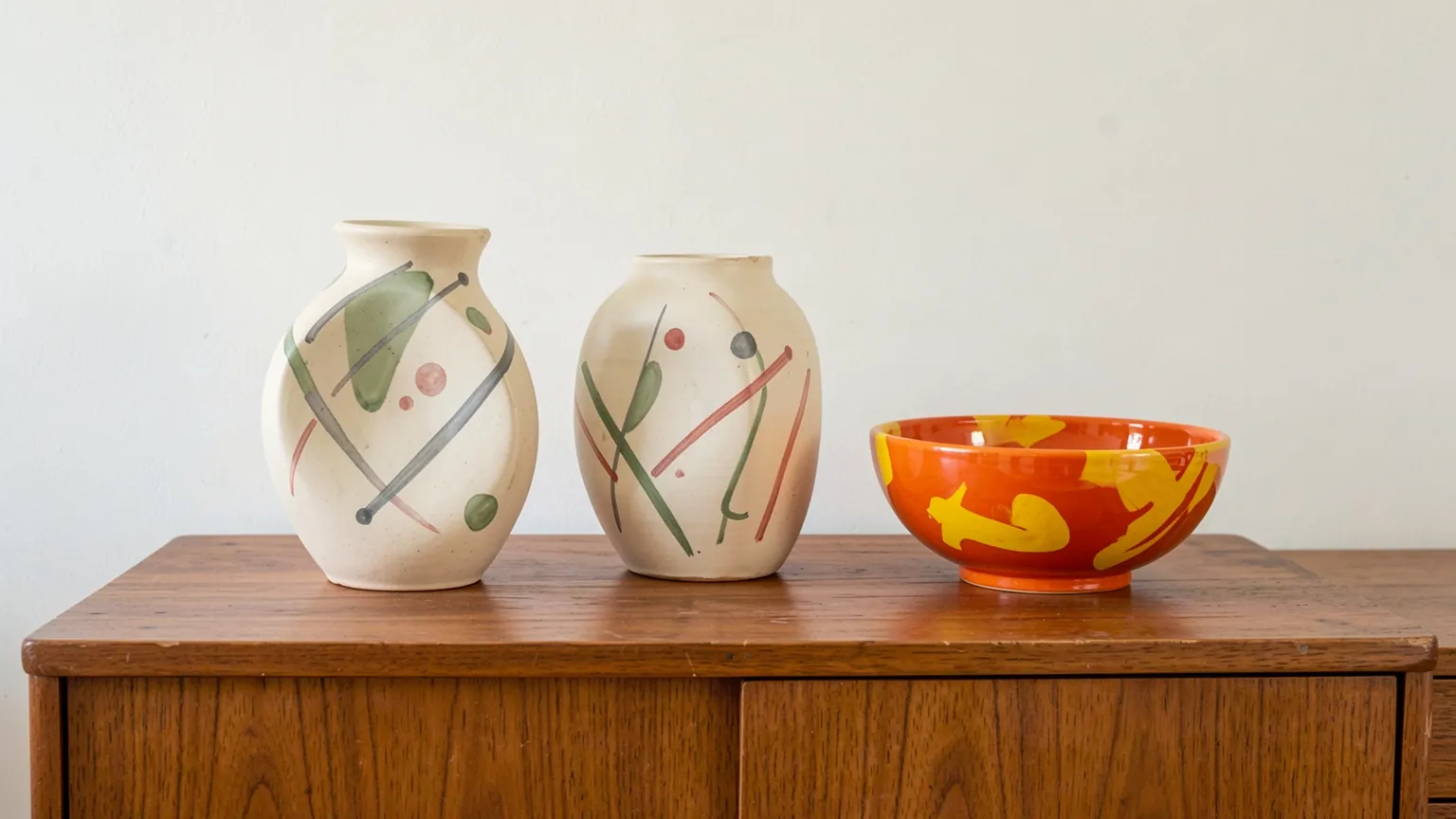
Roseville Pottery Marks: How to Read the Stamp and Date a Piece
Roseville marks run from early wafers and the blue Rv ink stamp to paper labels, an impressed script mark and finally the raised 'Roseville U.S.A.' used until the 1950s. Here is the sequence, what the shape numbers mean, and how to spot the Chinese copies sold since the 1990s.
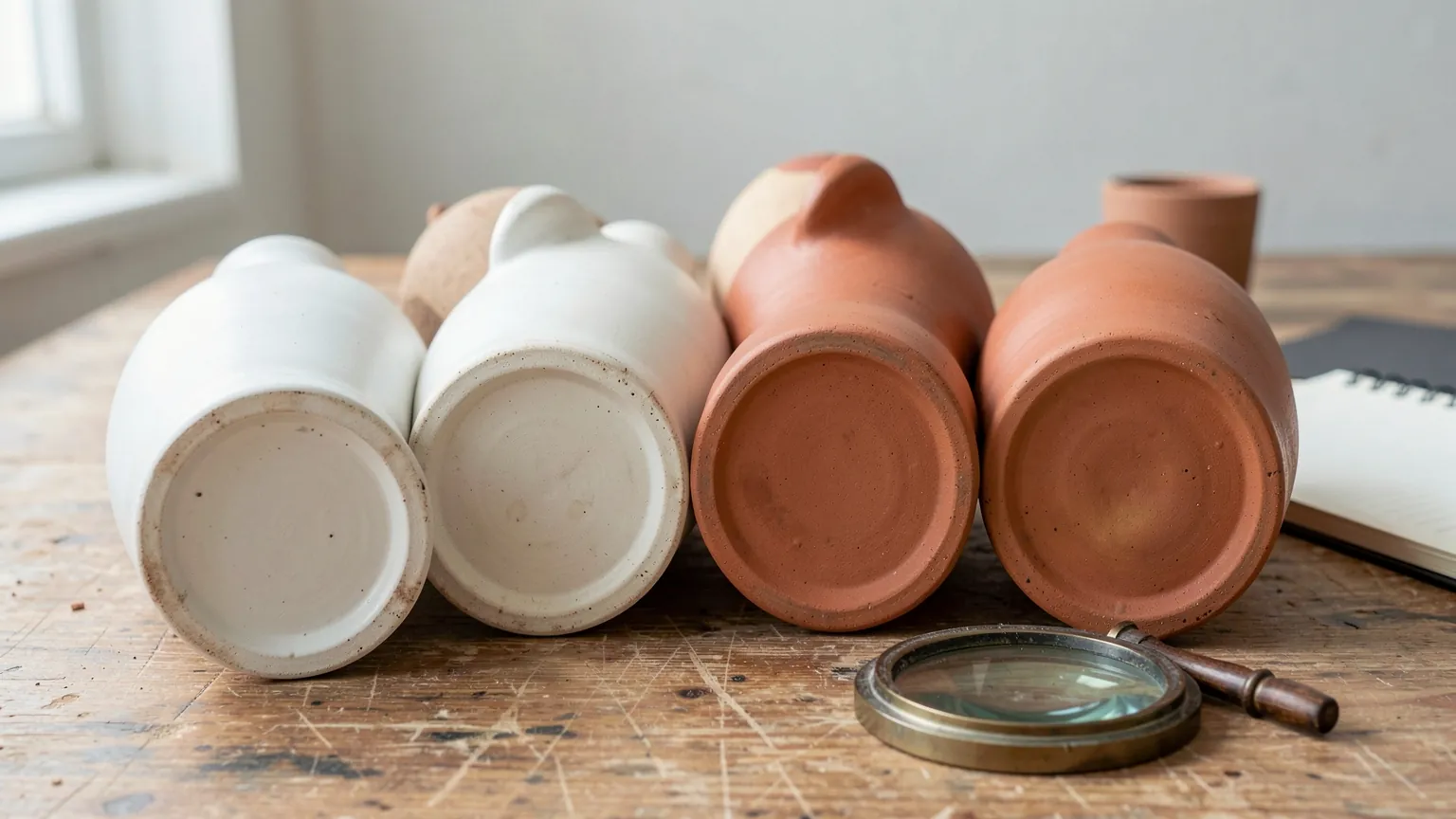
Pottery Marks by Symbol: Crown, Anchor, Fish, Bird and Other Picture Marks
A crown, anchor, beehive, knot, fish or bird on the base of a pot rarely identifies the maker on its own. Here is what the common picture marks do and do not tell you, which makers used the documented ones, and how to search for a mark by its symbol.
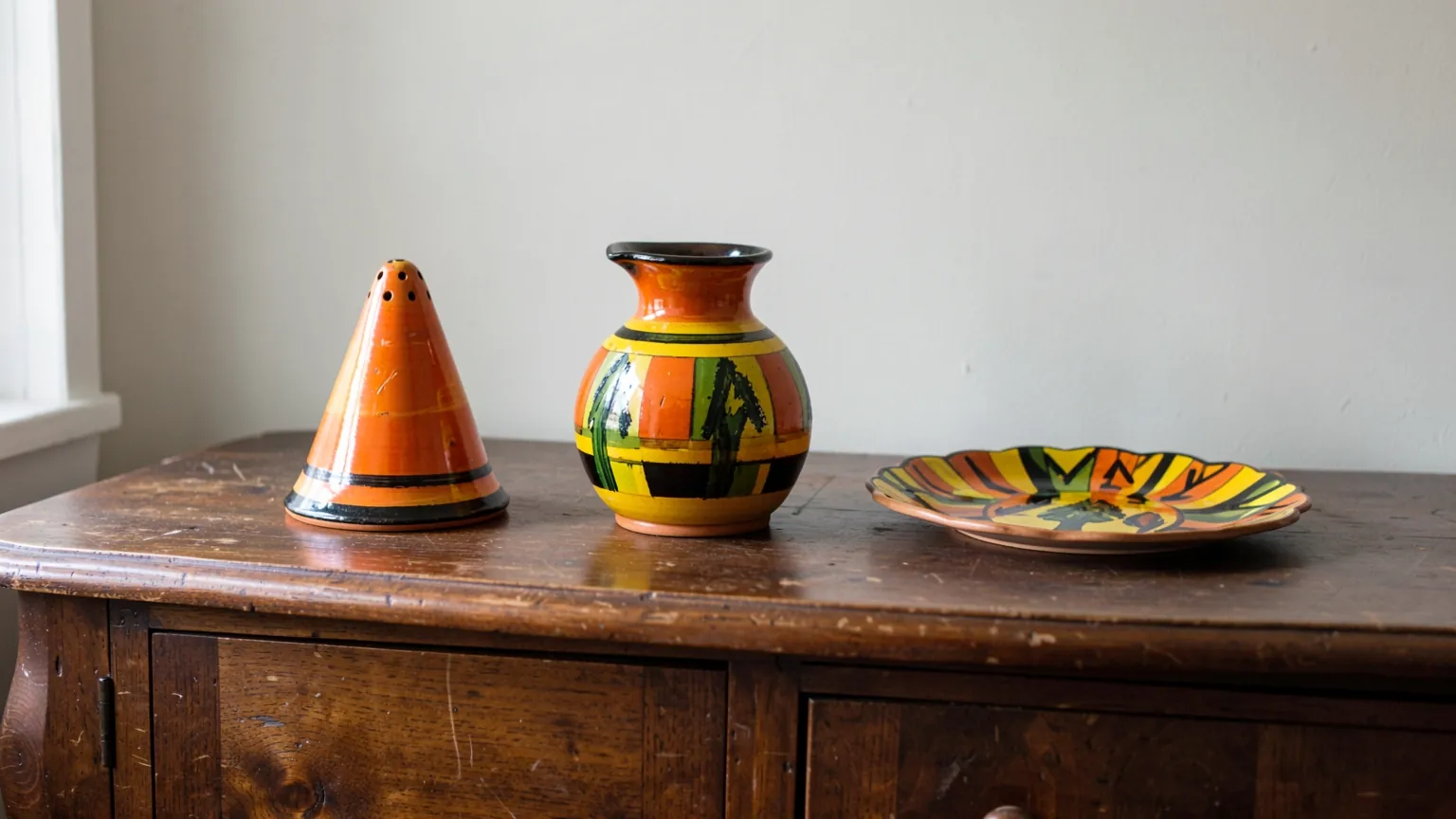
Clarice Cliff Backstamps: How to Date Clarice Cliff by the Mark
Clarice Cliff backstamps changed every year or two between 1927 and 1936, then settled into plainer signature marks until 1964. Here is the sequence, what Bizarre and Fantasque mean, how stamped and printed marks differ, and what to check before you trust a mark.
How to Identify Pottery Marks: A Method for Any Mark
To identify a pottery mark, record exactly what is on the base, work out how it was applied, read the country and any numbers, and then match it against a maker's documented marks. Here is the method, the clues that date a mark, and our guides to individual potteries.
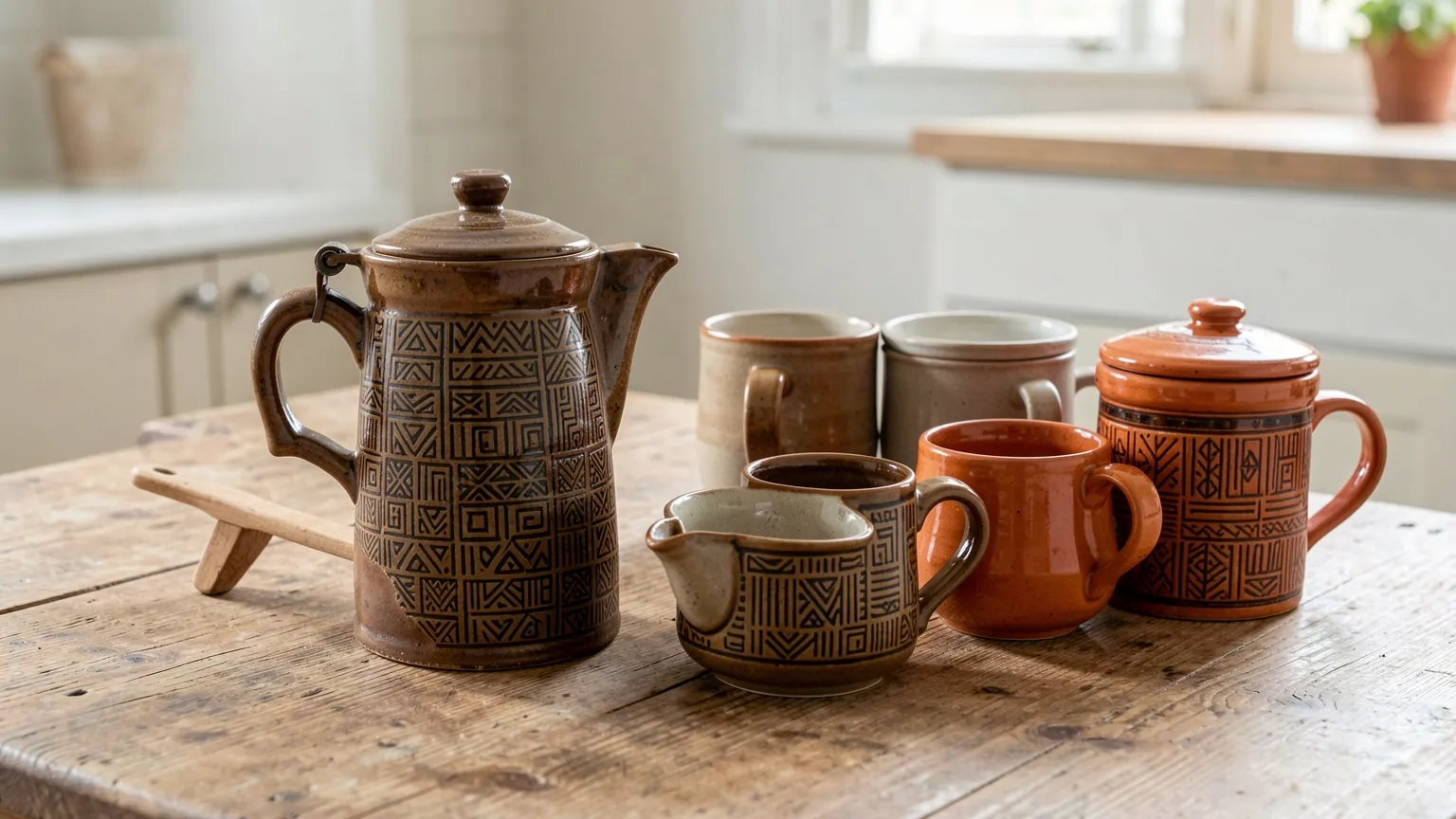
Hornsea Pottery Marks: How to Date Hornsea
Hornsea Pottery marks changed from the 1950s horn-and-waves mark to printed 'Hornsea England' marks that often include a year. Here is how to read them, what the impressed numbers mean, and how to date Heirloom, Saffron and Bronte.
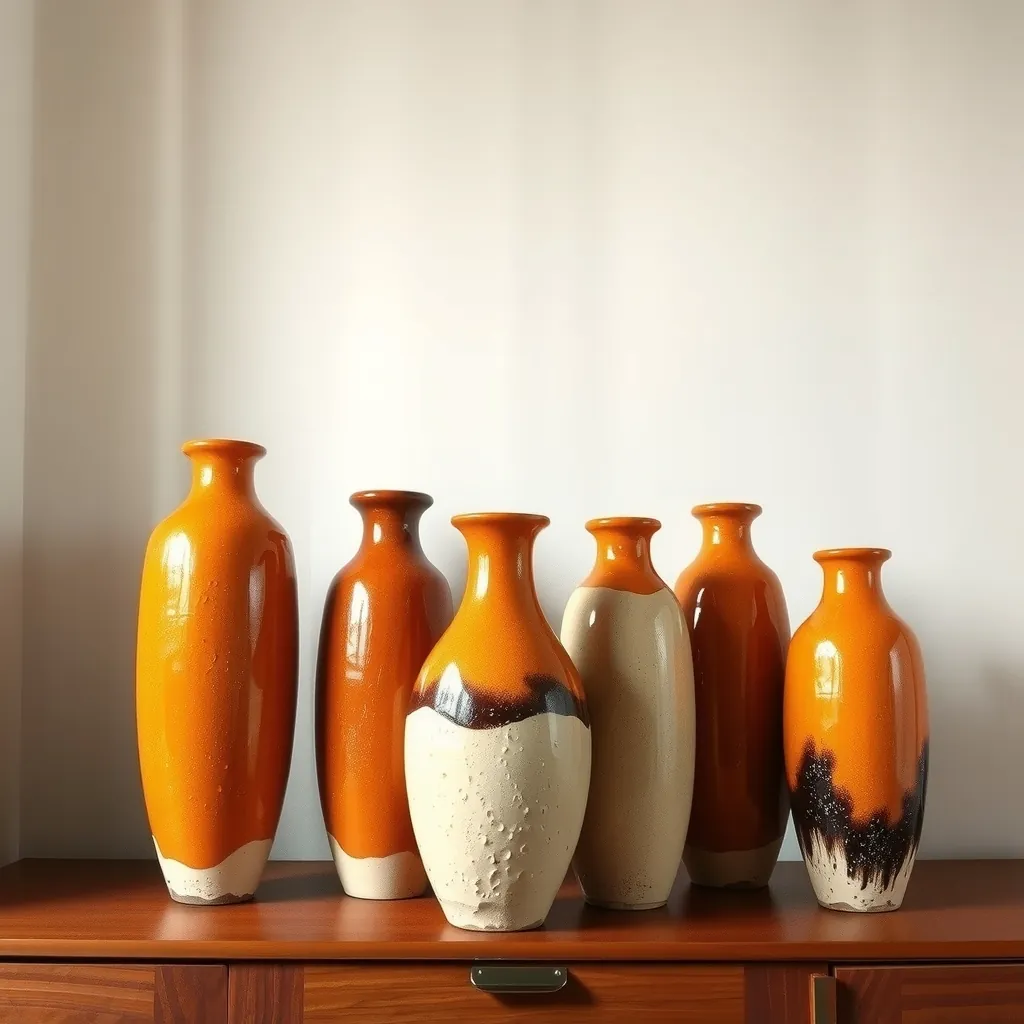
West German Pottery Marks: How to Read the Numbers on the Base
Most West German pottery is marked only with "W. Germany" and a pair of numbers: the shape number and the height in centimetres. Here is how to read them, which makers you can identify from the clay and the mark, and what "fat lava" really means.
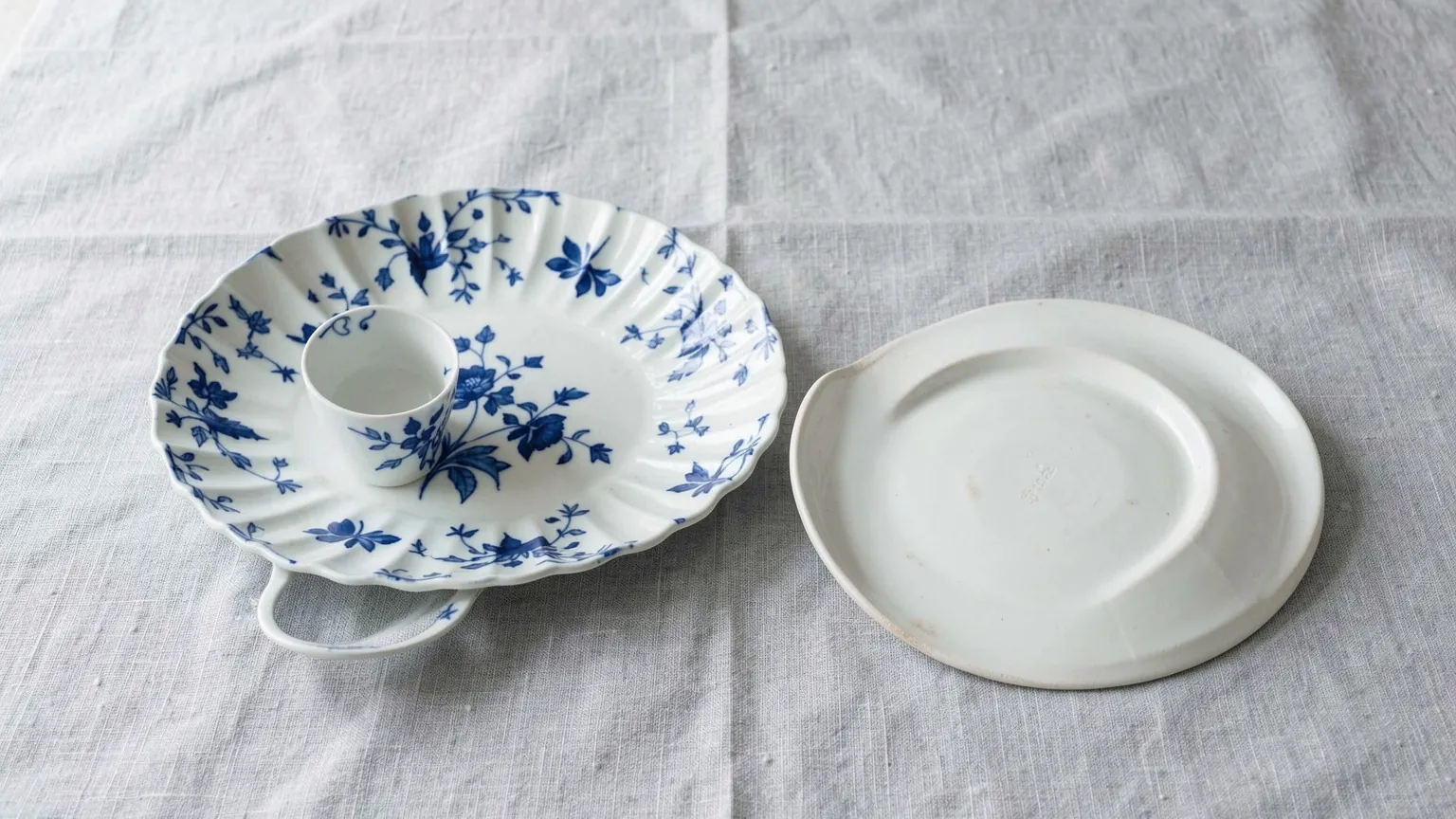
Royal Copenhagen and Bing & Grøndahl Marks: How to Date Danish Porcelain
Royal Copenhagen's three wavy lines, crown and hidden date code can date a piece to a few years, and Bing & Grøndahl's three towers mark changed in colour after the 1940s. Here is how to read both, and where the published systems disagree.
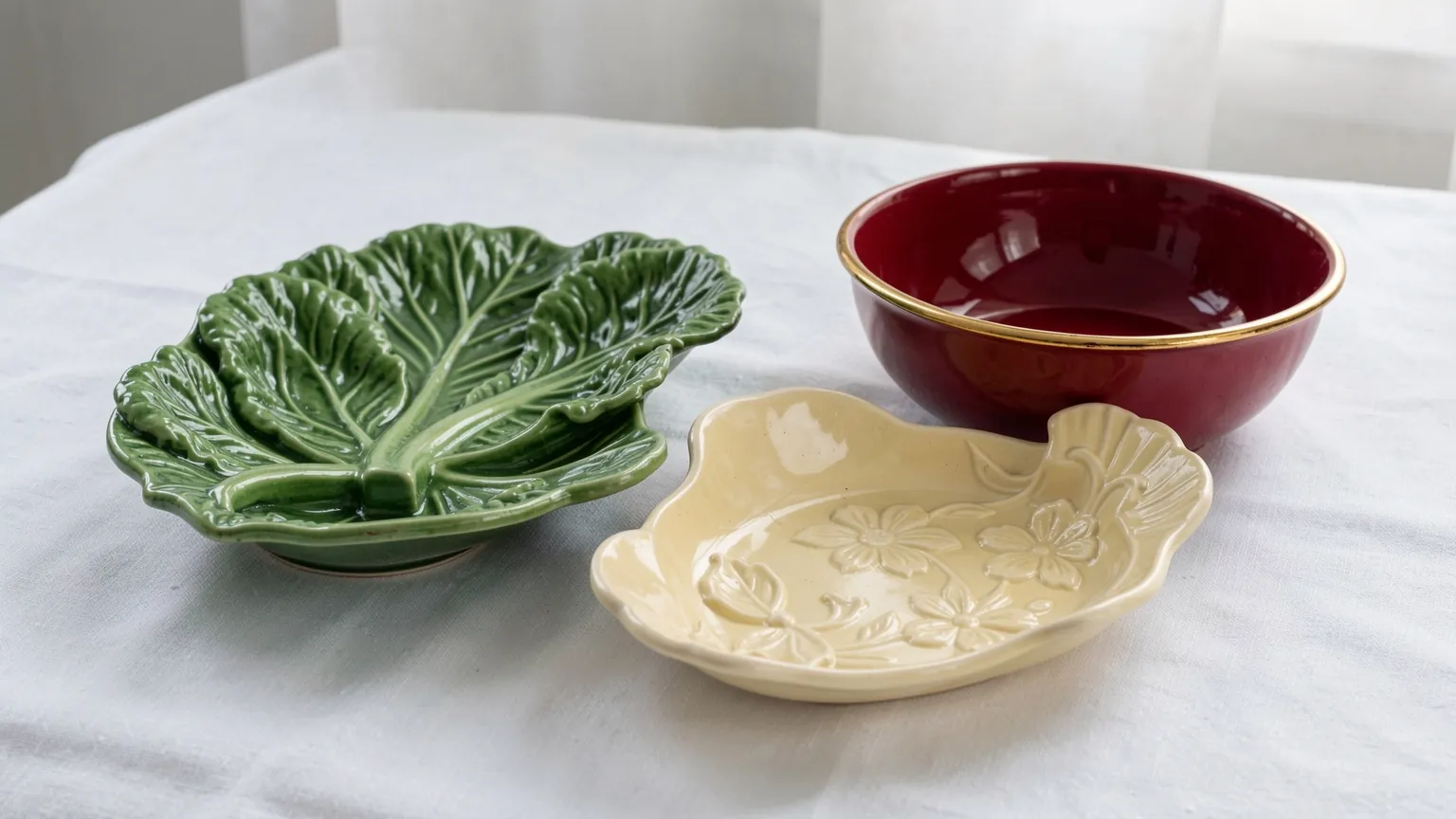
Carlton Ware Marks: How to Date Carlton Ware Backstamps
Carlton Ware's backstamps run from the Wiltshaw & Robinson ribbon and crown marks to the famous script mark, which lasted for decades. Here is what each mark suggests, and how ranges and shapes narrow the date of mid-century pieces.
Poole Pottery Marks: A Guide to Dating Poole Backstamps
Poole Pottery backstamps changed often enough to date most pieces to within a few years. Here are the Carter, Stabler & Adams marks, the dolphin marks of the 1950s, the Delphis and Aegean years, and how to read shape and pattern codes.
Denby Pottery Marks: How to Date Denby and Bourne Denby
Denby pottery marks run from impressed Bourne stamps to Danesby Ware, Bourne Denby and the later Denby marks. Here is what each suggests, how to date Glyn Colledge pieces, and where the sources disagree.
Troika Pottery Marks: How to Date and Identify Troika
Troika base marks name the pottery, often its town, and the decorator. Read together, they place a piece in the St Ives or Newlyn years and sometimes within a few years. Here is the method.