Topic
1970s

Original Mid-Century Paint Colours: What Homes Were Really Painted
Mid-century homes were not all white and teak. British architects chose from the 101 colours of BS 2660 from 1955, and American kitchens moved from pastels to Coppertone, Avocado and Harvest Gold. Here is what the records show, and how to choose colours for a mid-century house today.

Robin Day at Hille: The Key Designs
Robin Day designed most of Hille's furniture for twenty years, from the Hillestak chair of 1951 to the Polypropylene chair of 1963, one of the most produced chairs in the world. Here are his key designs with dates, and how to tell vintage pieces from the many reissues.
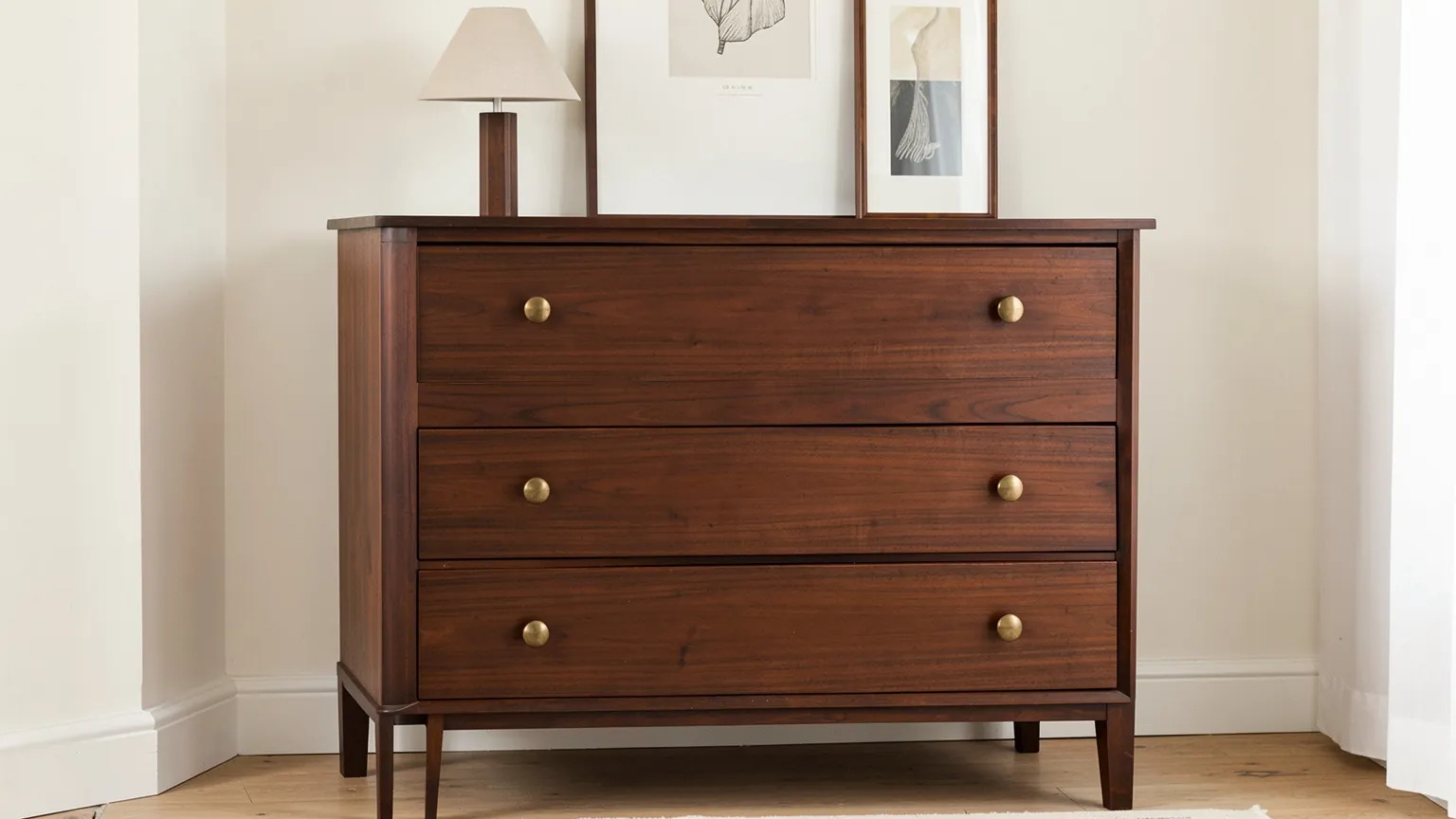
Stag Minstrel: How to Identify and Date Stag Furniture
Stag Minstrel is the mahogany bedroom and dining range made by the Stag Cabinet Company of Nottingham from 1963, a later version of John and Sylvia Reid's Madrigal range. Here is how to identify it, where to find the Stag mark and how to date it.
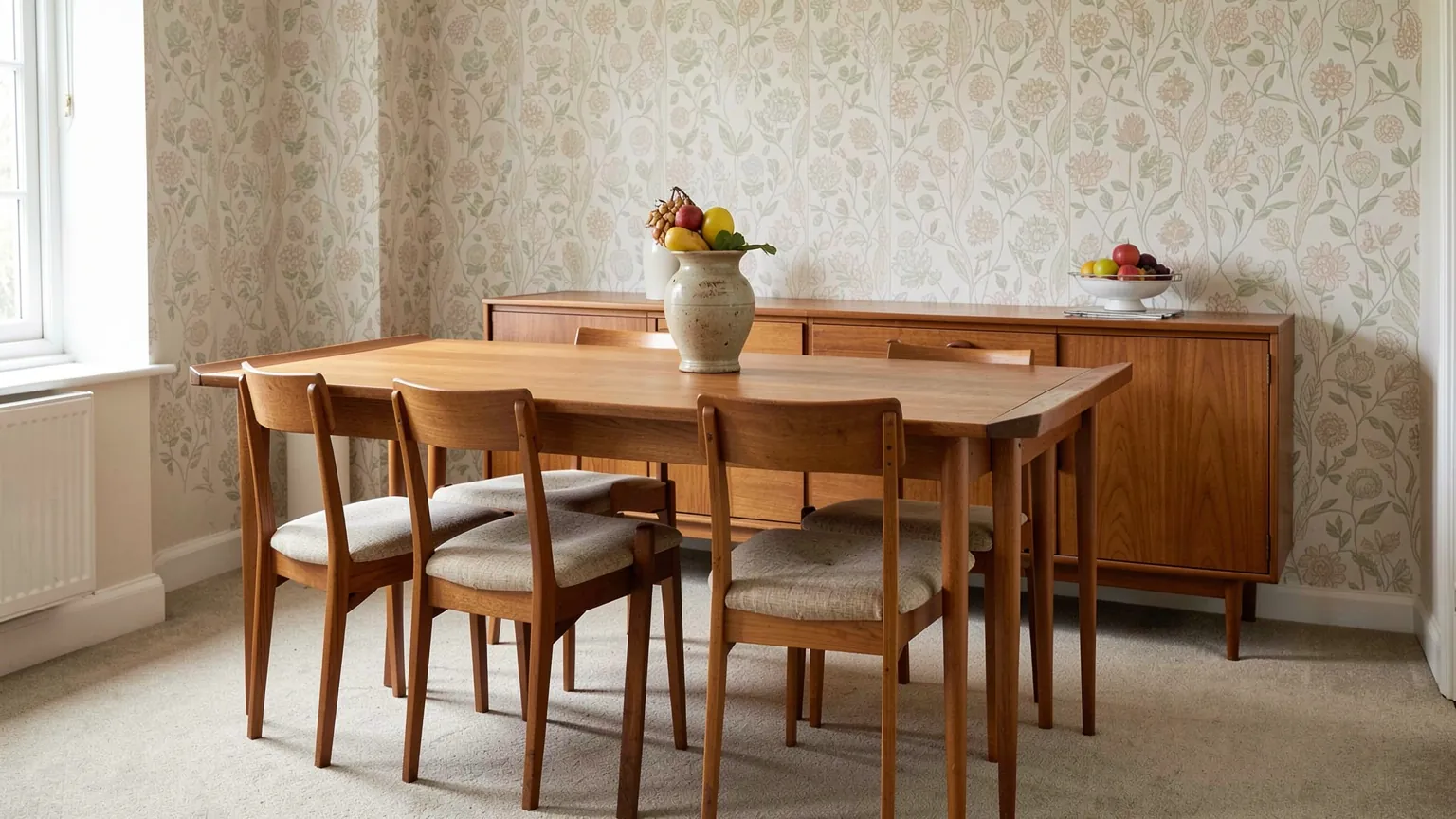
G-Plan Labels: How to Date G-Plan Furniture
G-Plan furniture can be dated from its label: a gold embossed E. Gomme stamp in the 1950s and early 1960s, a red label from about 1965, and red and gold labels from the mid-1970s until the factory closed in 1992. Here is how to read them.
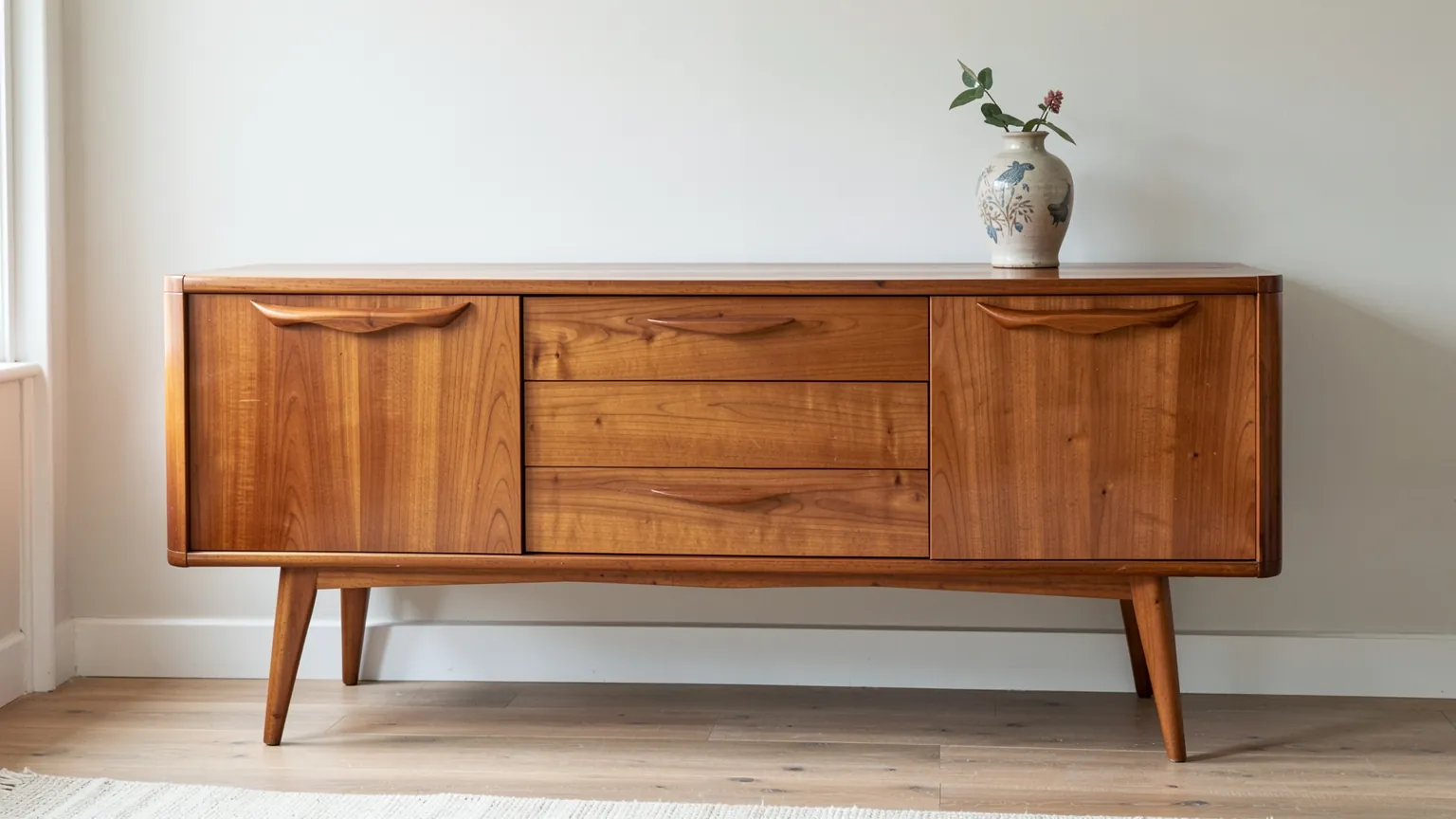
McIntosh of Kirkcaldy: How to Identify McIntosh Teak Furniture
A.H. McIntosh of Kirkcaldy made some of the best British teak furniture of the 1960s and 1970s, including Tom Robertson's Dunvegan sideboard. Here is how to identify a McIntosh piece from its labels, handles and construction, and how to tell the main models apart.
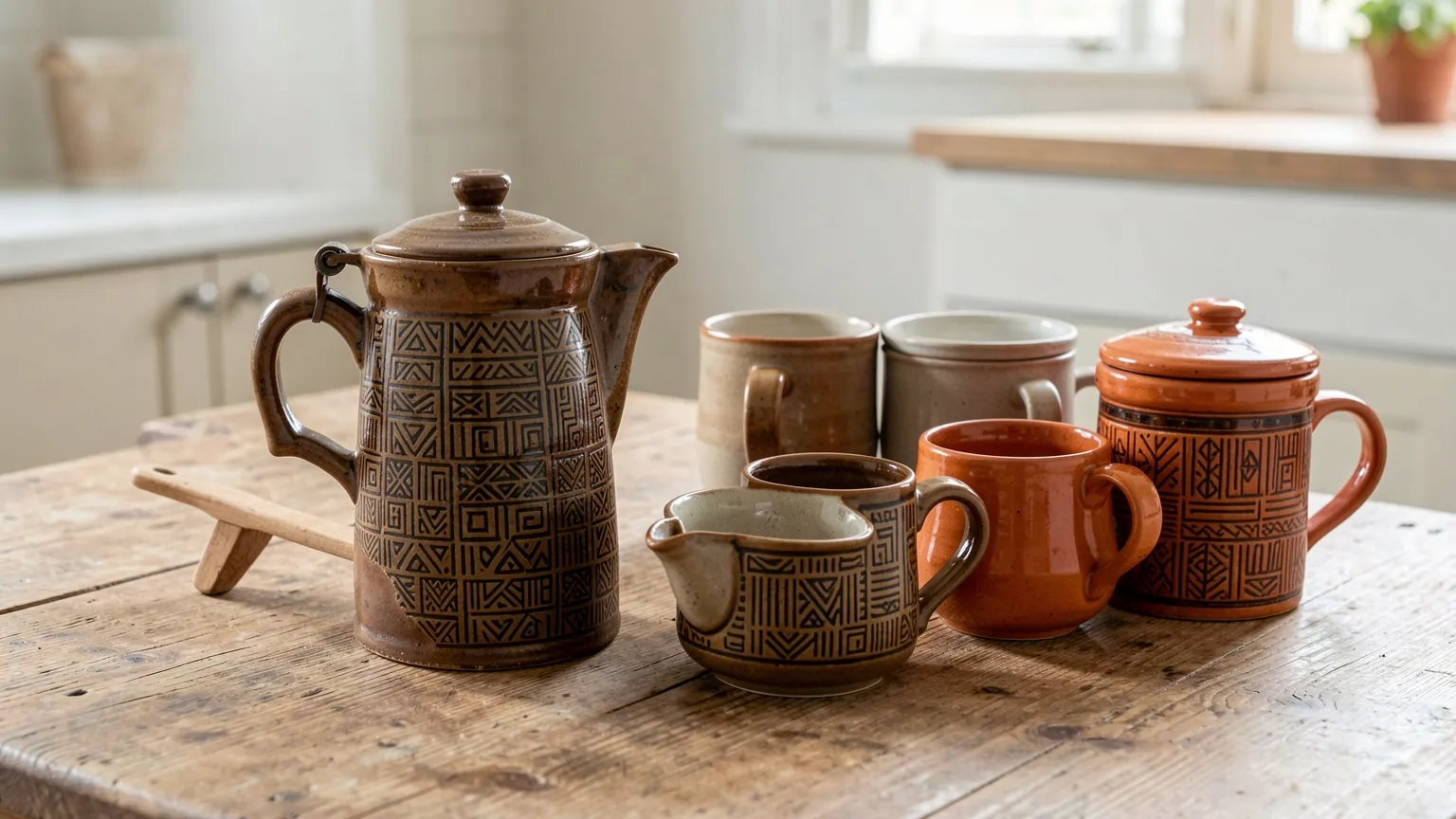
Hornsea Pottery Marks: How to Date Hornsea
Hornsea Pottery marks changed from the 1950s horn-and-waves mark to printed 'Hornsea England' marks that often include a year. Here is how to read them, what the impressed numbers mean, and how to date Heirloom, Saffron and Bronte.
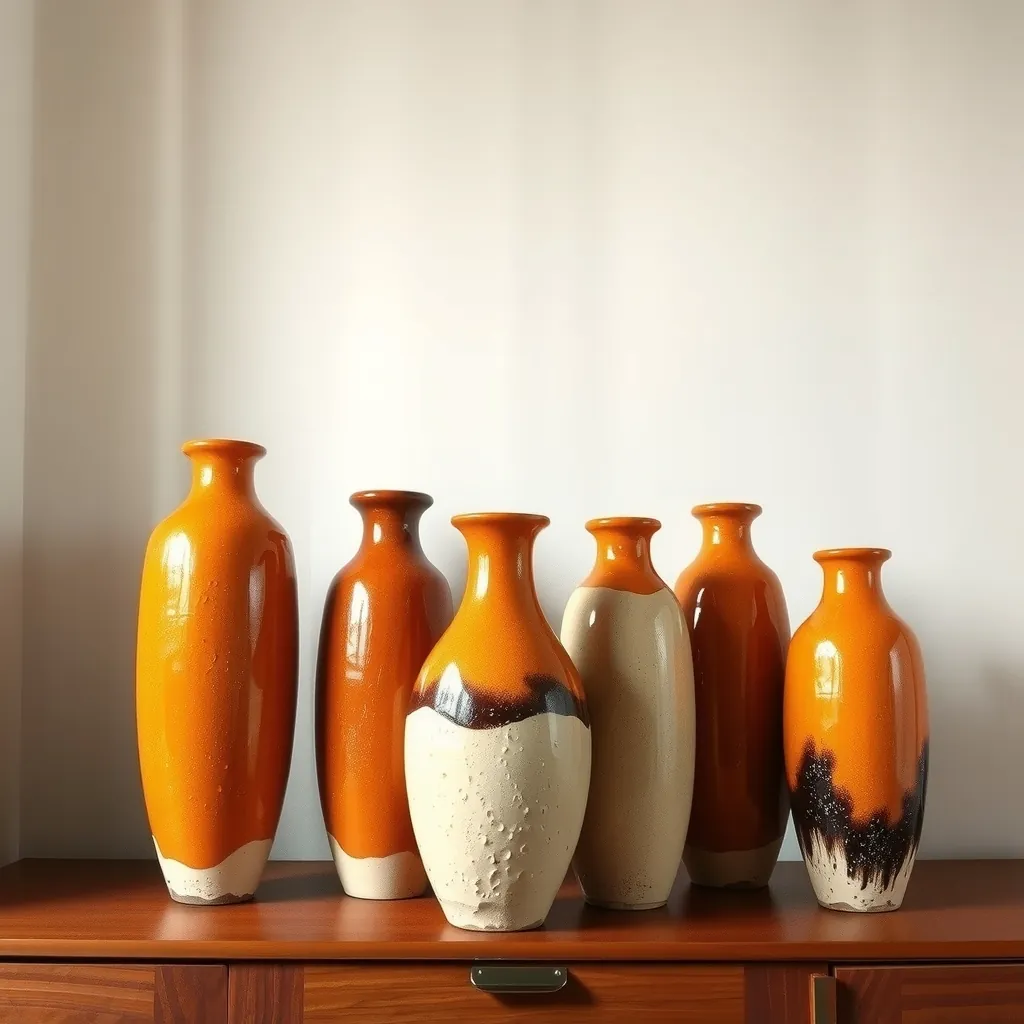
West German Pottery Marks: How to Read the Numbers on the Base
Most West German pottery is marked only with "W. Germany" and a pair of numbers: the shape number and the height in centimetres. Here is how to read them, which makers you can identify from the clay and the mark, and what "fat lava" really means.
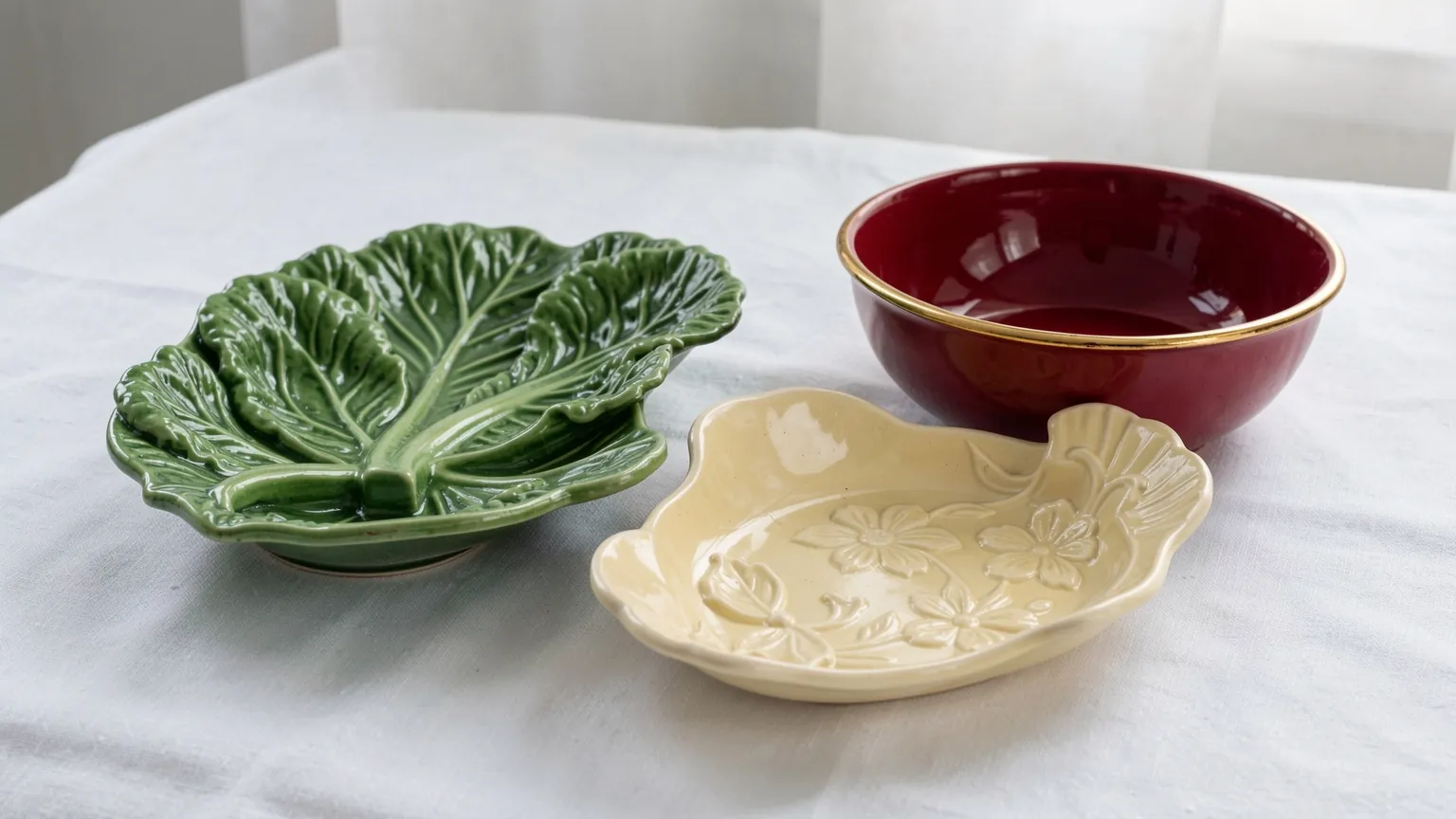
Carlton Ware Marks: How to Date Carlton Ware Backstamps
Carlton Ware's backstamps run from the Wiltshaw & Robinson ribbon and crown marks to the famous script mark, which lasted for decades. Here is what each mark suggests, and how ranges and shapes narrow the date of mid-century pieces.
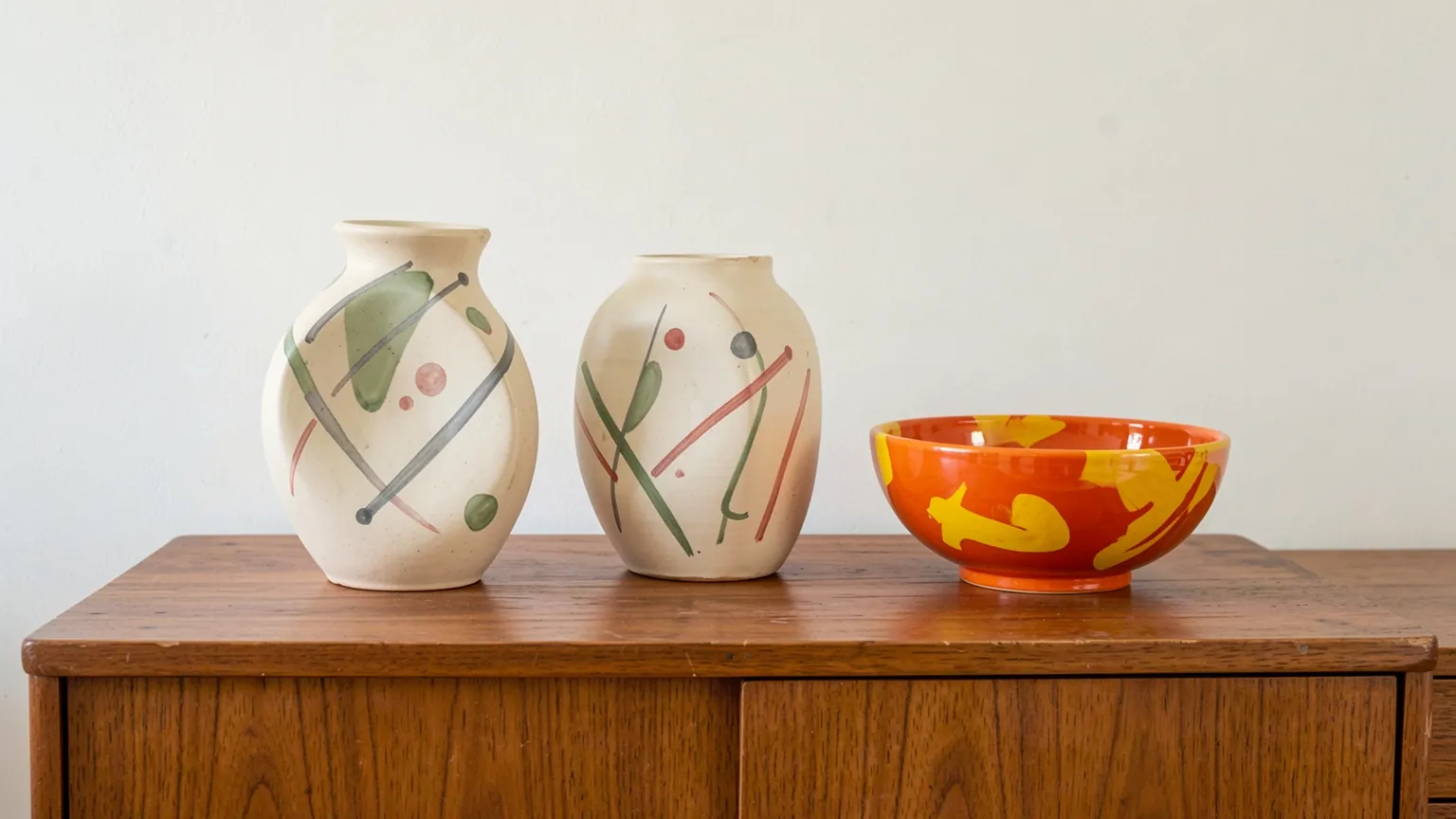
Poole Pottery Marks: A Guide to Dating Poole Backstamps
Poole Pottery backstamps changed often enough to date most pieces to within a few years. Here are the Carter, Stabler & Adams marks, the dolphin marks of the 1950s, the Delphis and Aegean years, and how to read shape and pattern codes.
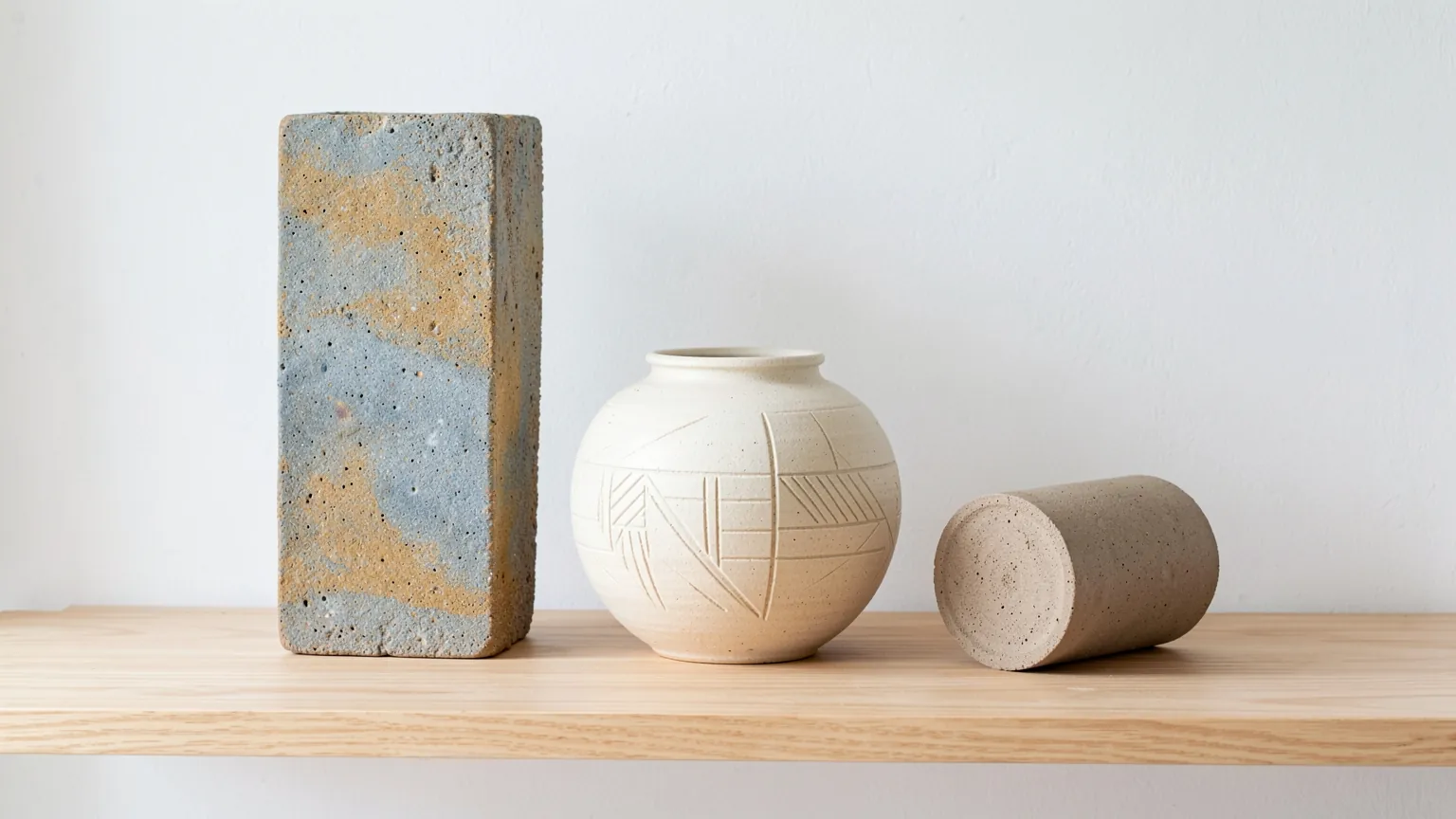
Troika Pottery Marks: How to Date and Identify Troika
Troika base marks name the pottery, often its town, and the decorator. Read together, they place a piece in the St Ives or Newlyn years and sometimes within a few years. Here is the method.