Topic
Denmark
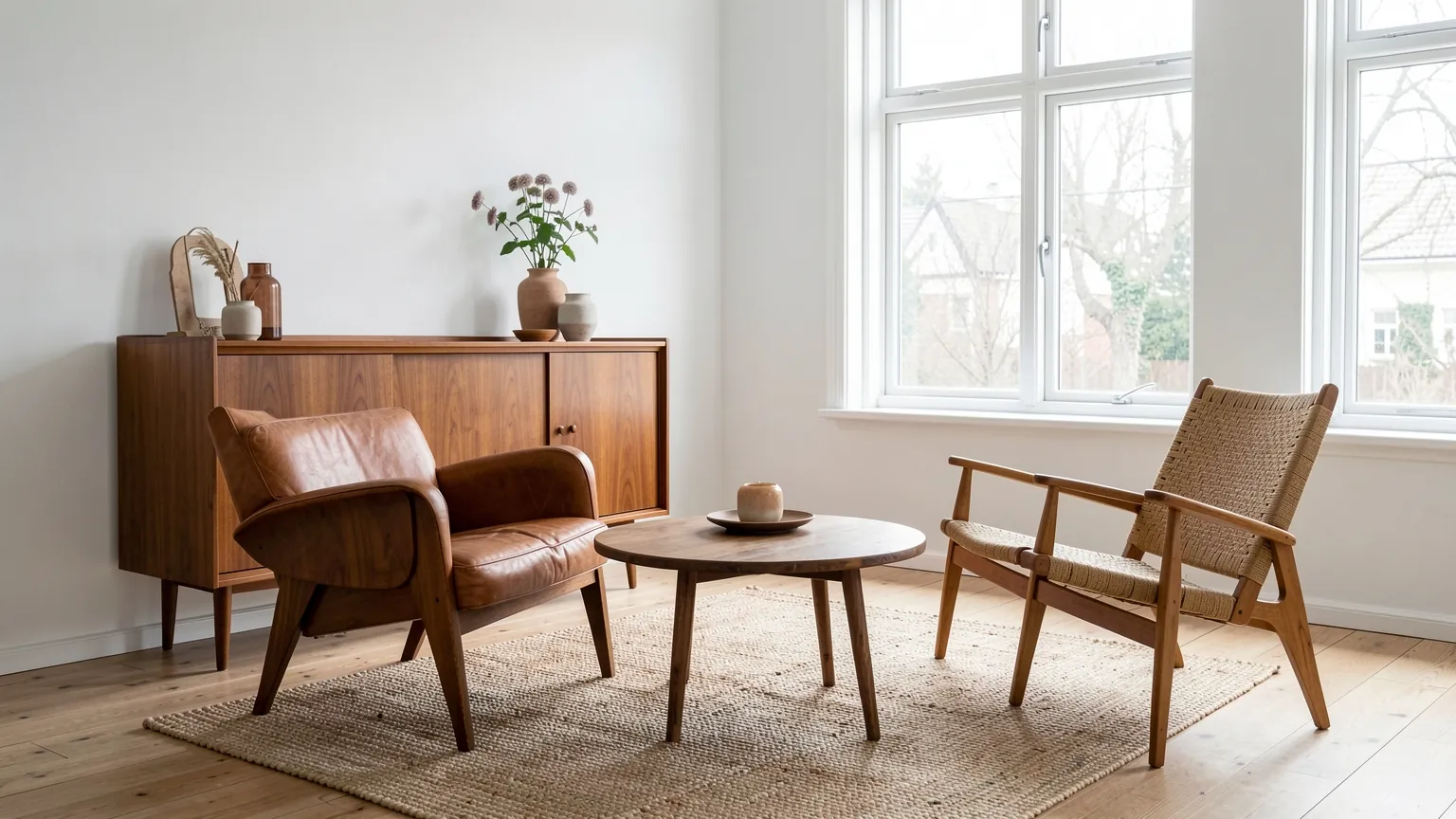
What Is Danish Modern Furniture?
Danish modern is the plain, finely made furniture designed in Denmark from the late 1920s to the 1960s, by Kaare Klint and the generation he trained: Wegner, Mogensen, Juhl, Jacobsen and Kjærholm. Here is where it came from, the key designers and makers, and how to recognise it.
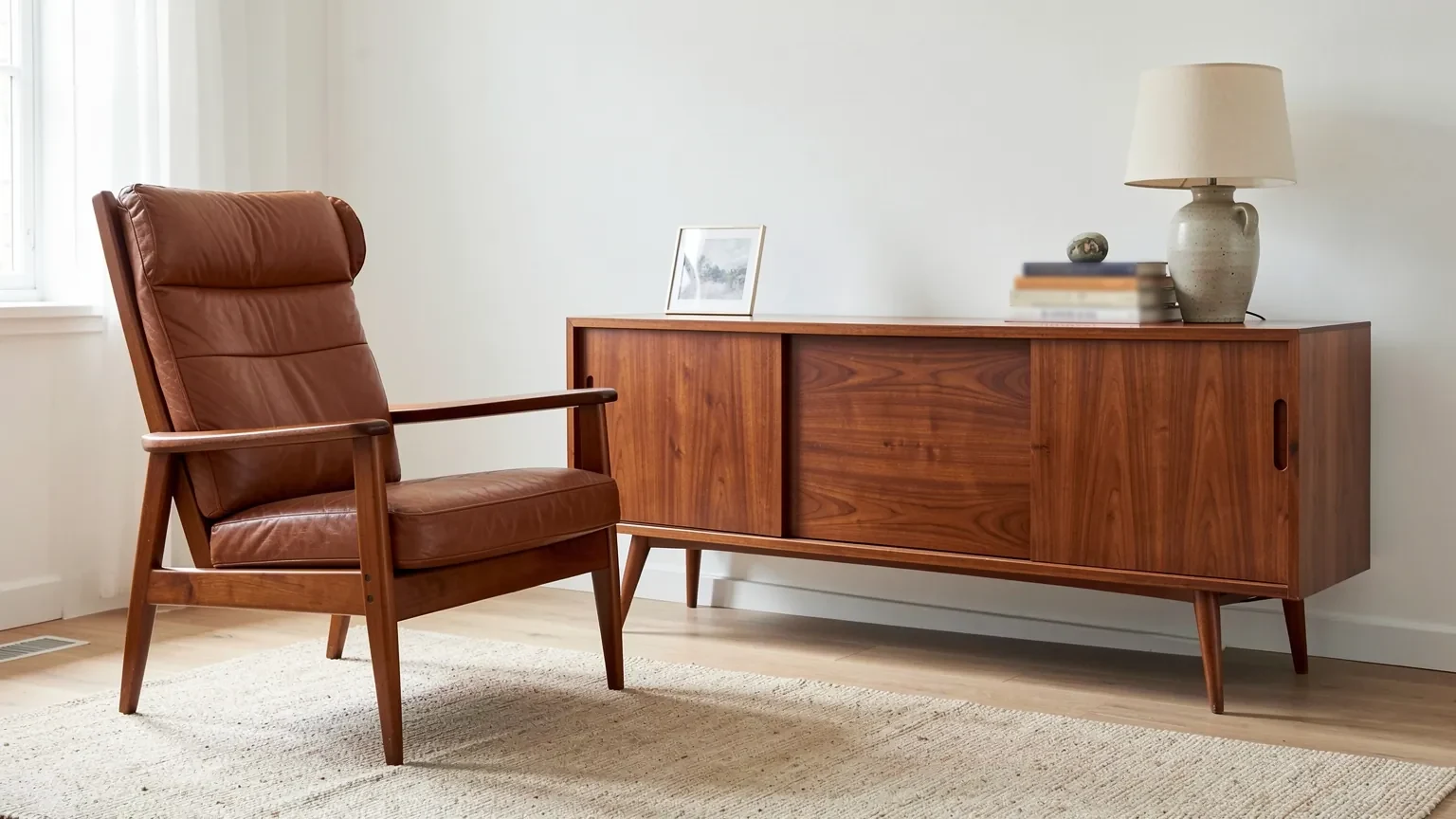
Ib Kofod-Larsen: Life and Key Designs
Ib Kofod-Larsen designed for makers in Denmark, Sweden, Britain and the United States, from the Elizabeth and Penguin chairs to Faarup sideboards and G-Plan's Danish range. Here are his key designs, the makers and how to attribute a piece.
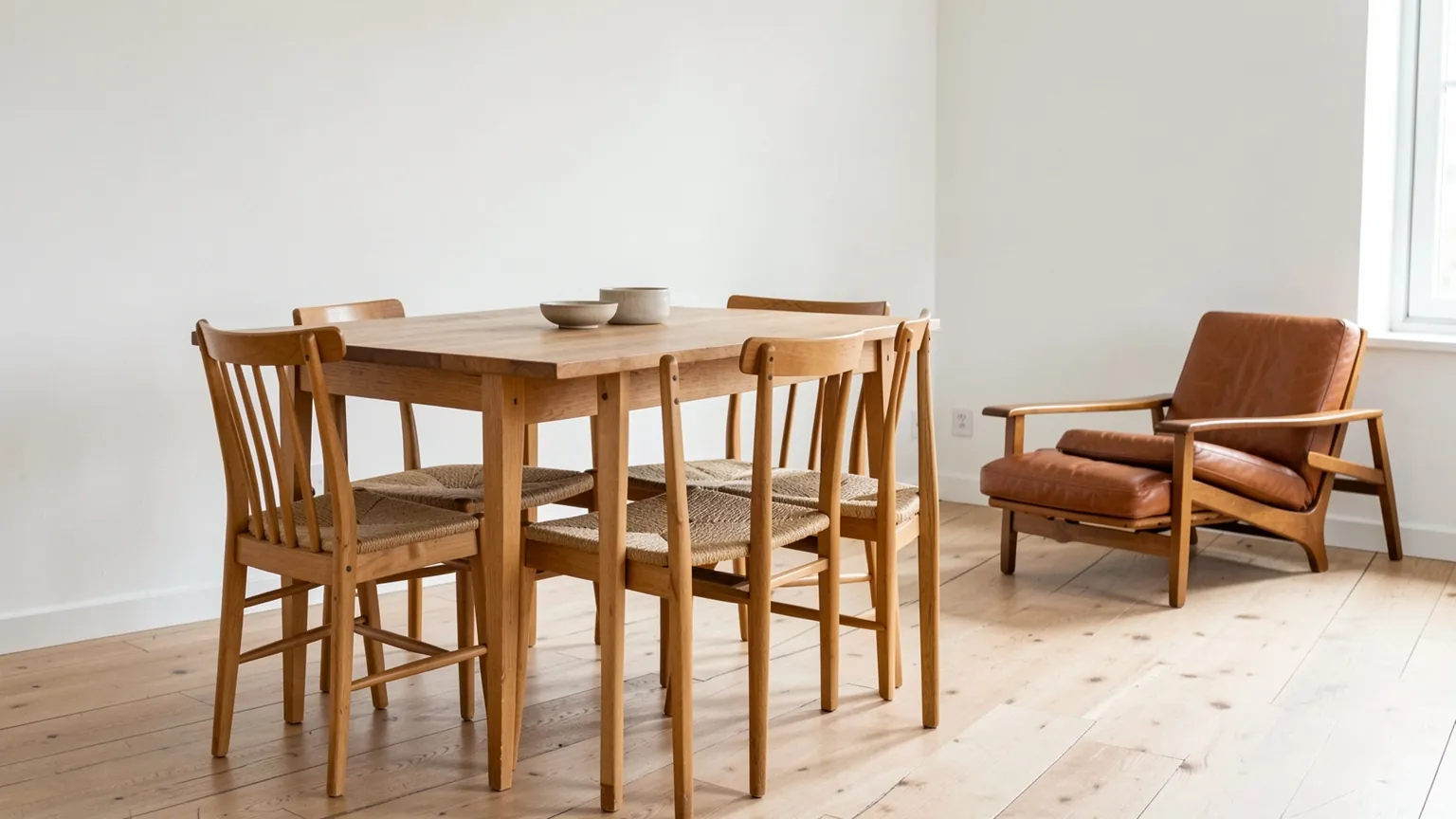
Børge Mogensen: Life and Key Designs
Børge Mogensen designed plain, durable furniture for ordinary Danish homes: the J39 chair for the FDB co-operative, the Hunting Chair, the Spanish Chair and the 2213 sofa. Here is his career, his key designs with dates and makers, and what to look for in a vintage piece.

Scandinavian Glass Signatures: Orrefors, Kosta, Holmegaard and Iittala
Most mid-century Scandinavian art glass is signed on the base with the factory name, a model or code number and often the designer's initials. Here is how to read Orrefors, Kosta, Holmegaard and Iittala signatures, and how Orrefors date codes work.
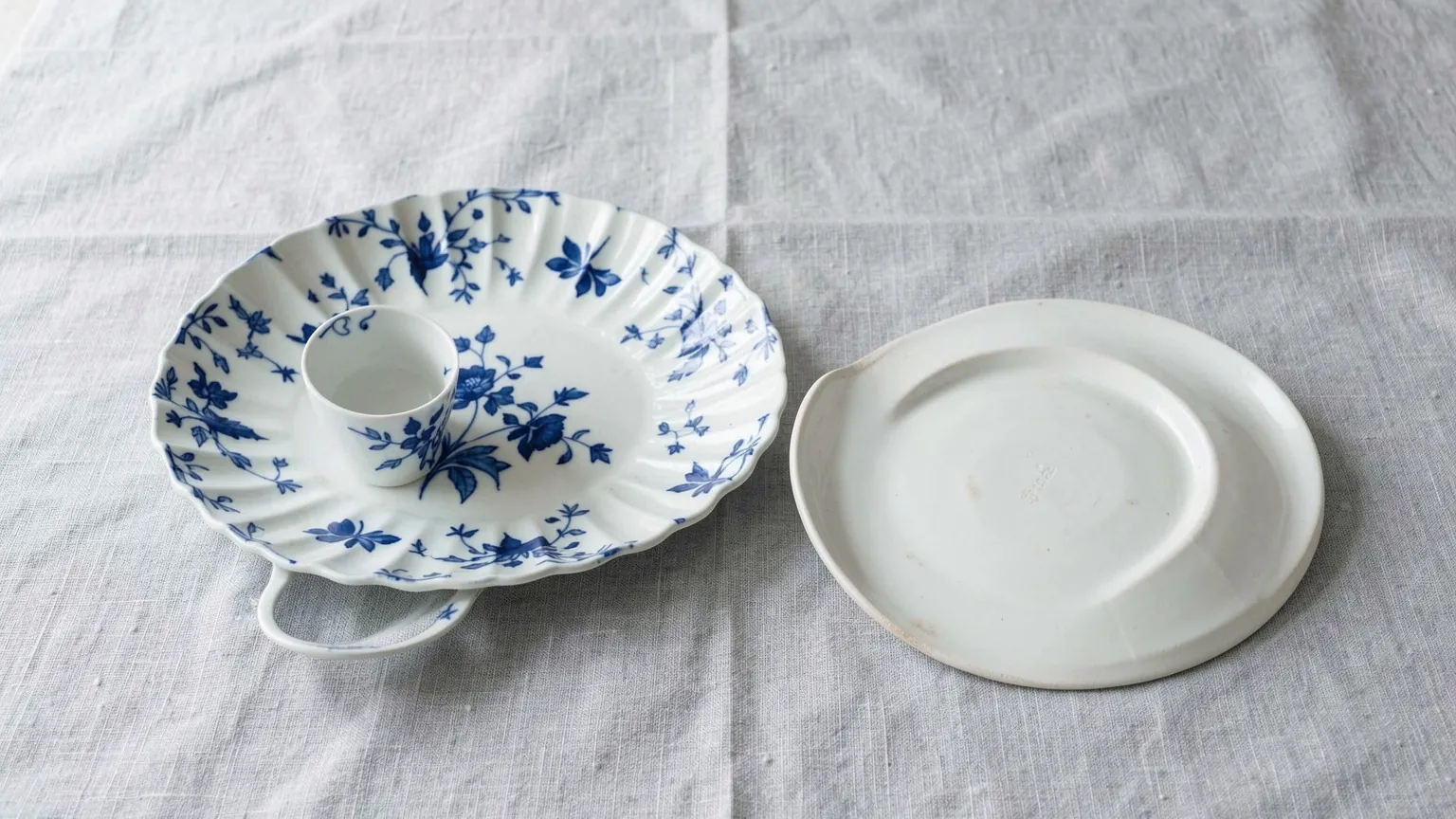
Royal Copenhagen and Bing & Grøndahl Marks: How to Date Danish Porcelain
Royal Copenhagen's three wavy lines, crown and hidden date code can date a piece to a few years, and Bing & Grøndahl's three towers mark changed in colour after the 1940s. Here is how to read both, and where the published systems disagree.
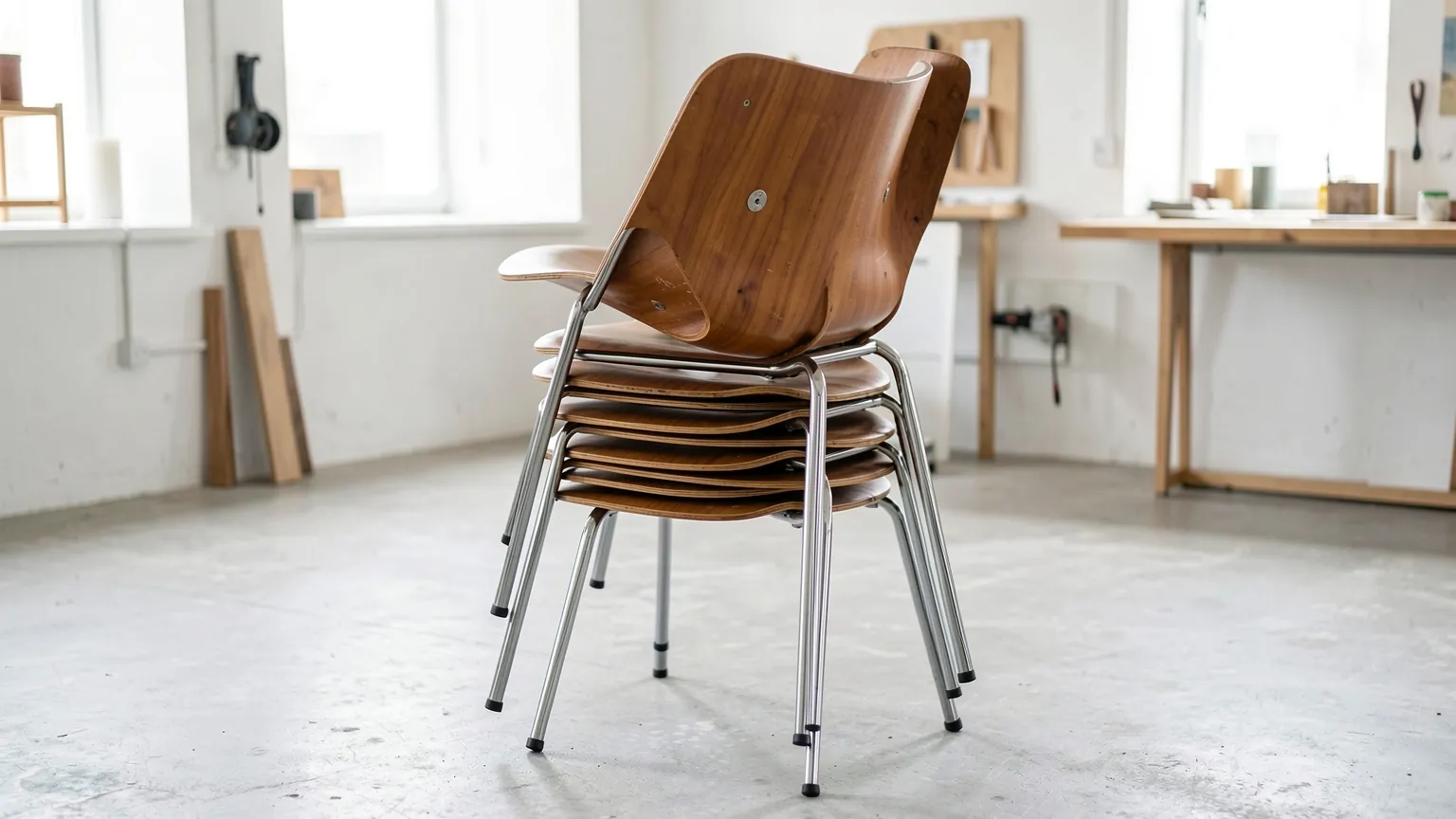
Fritz Hansen Stamps and Labels: How to Date a Series 7 or Ant Chair
A Fritz Hansen stamp confirms the maker, but it rarely gives an exact year on its own. Here is what the marks on a Series 7, Ant or Egg chair can tell you, and how to date the rest from construction.
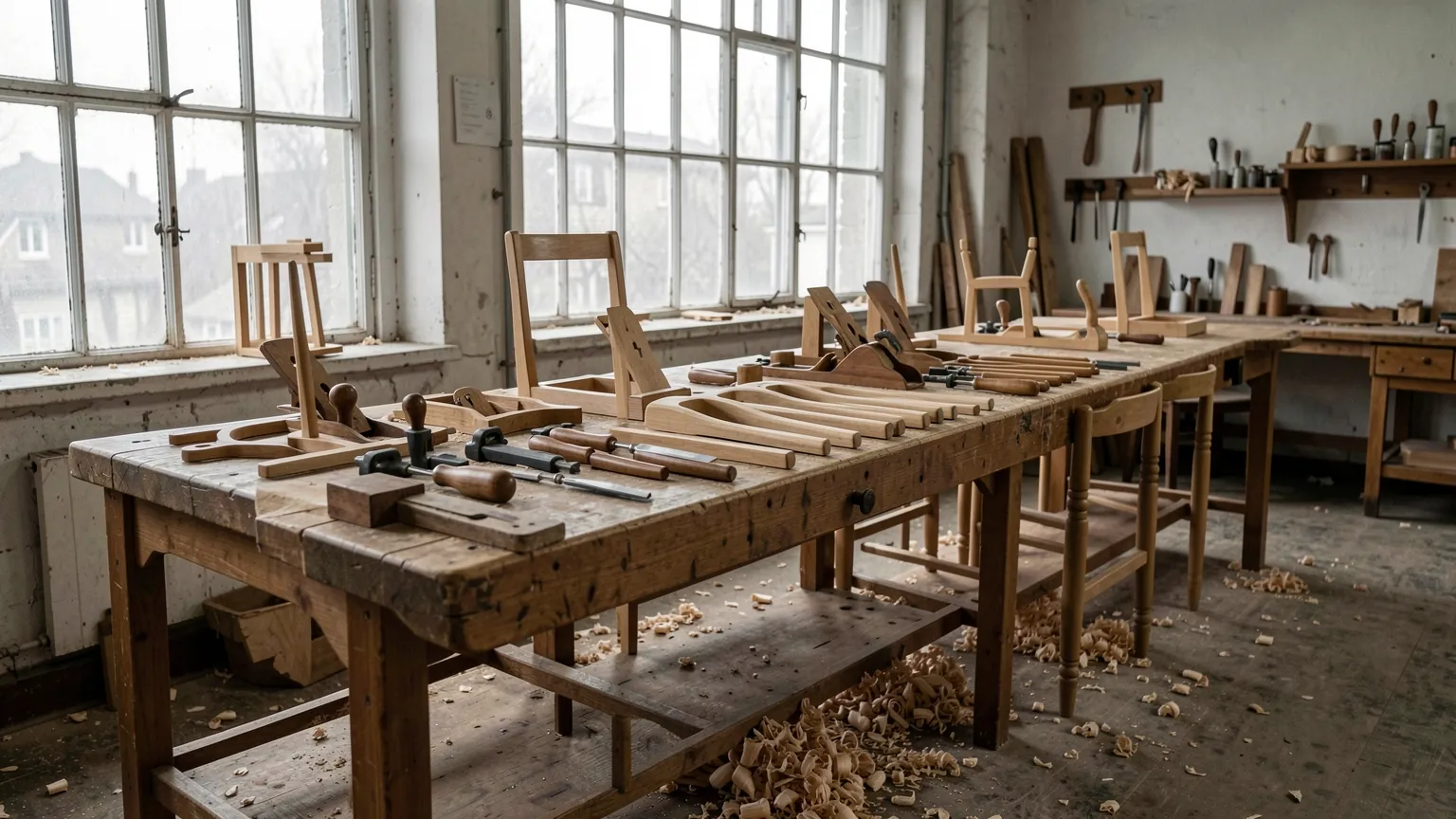
Lesser-Known Danish Furniture Designers: 12 Names Beyond the Usual Icons
Twelve Danish designers and partnerships worth knowing beyond Wegner, Juhl and Jacobsen, each with a documented work and the museum or reference record that supports it.
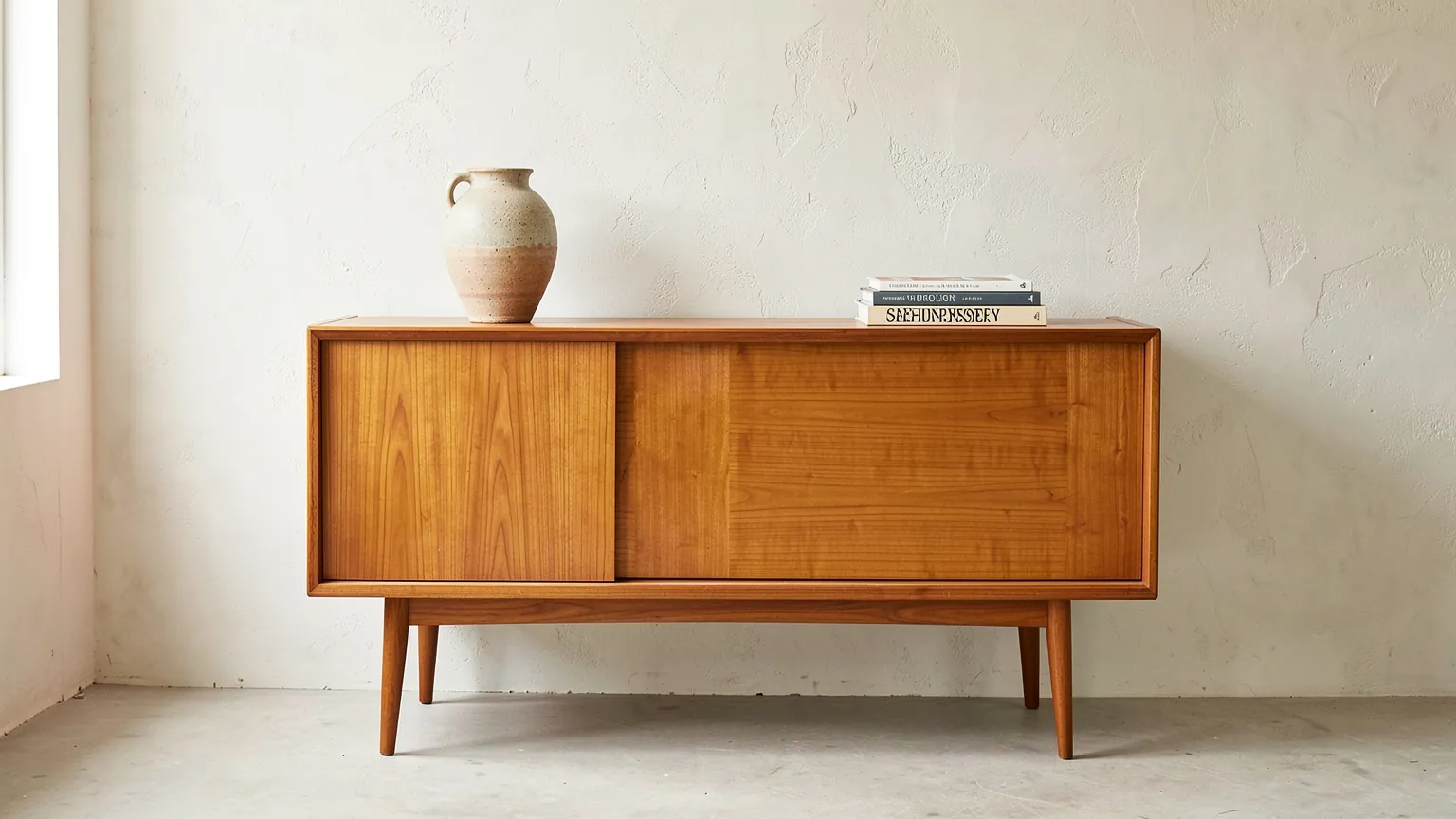
The Danish Furniture Makers' Control Stamp: What It Certifies
The mark certifies Danish origin and a materials standard. It names no designer, guarantees no timber, and cannot appear on furniture made before 1960.